Get your free personalized podcast brief
We scan new podcasts and send you the top 5 insights daily.
Facing congressional gridlock on immigration, the administration is using executive authority to reform the H-1B visa program. Key tools include imposing a $100,000 fee and blocking companies that have recently laid off American workers from participating.

Related Insights
When Congress fails to pass legislation addressing the negative impacts of globalization on the working class, the executive branch may resort to tariffs. While a blunt instrument, tariffs are used as a last-ditch effort to re-shore manufacturing and restore leverage to domestic workers, bypassing legislative gridlock.

To retain top talent and prevent exploitation, Ro Khanna advocates an accelerated path to green cards for H-1B visa holders. This gives individuals labor mobility and market wages, while preventing them from returning to countries like China or India and fueling competitor economies.
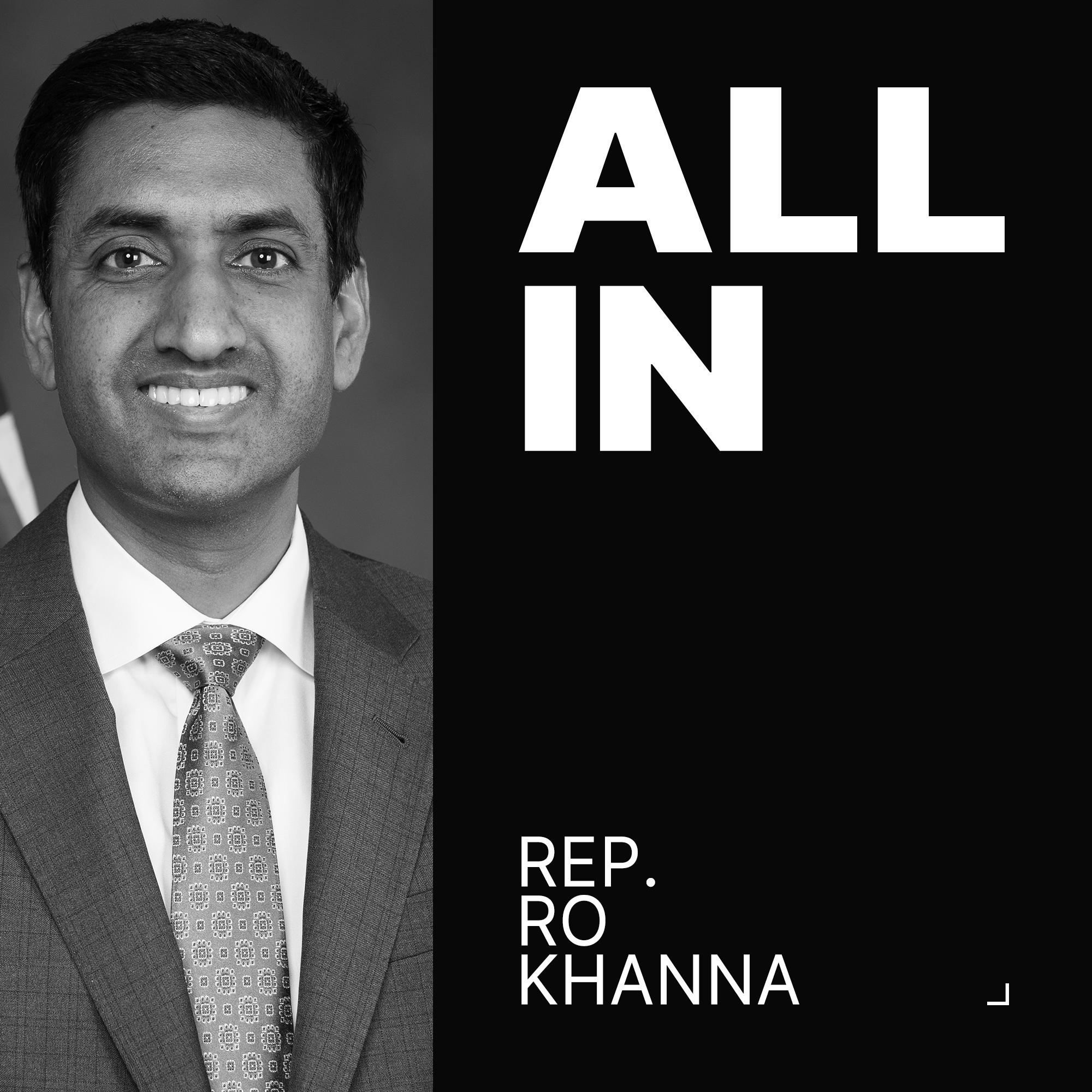
Progressive Democrat Ro Khanna concurs with Trump's goal of reforming H-1B visas to curb abuse by IT outsourcing firms. He argues against blanket fees, which hurt startups, and instead advocates for enforcing a prevailing wage standard to ensure visas go to truly high-skilled talent.
U.S. Citizenship and Immigration Services (USCIS) is almost entirely funded by application fees, not taxes. A portion of these fees, including those from H-1B visas, is distributed to agencies like the Department of Homeland Security and ICE to investigate visa abuse and fund enforcement operations.

The American Competitiveness and Workforce Improvement Act (ACWIA) mandates a fee within each H-1B application. This money is specifically used by the Department of Labor to fund training for U.S. workers in technology and other high-demand fields, directly linking the hiring of foreign talent to upskilling the domestic workforce.
Given a tight legislative calendar and procedural hurdles in Congress before an election, sweeping legislation is improbable. The administration is more likely to rely on executive actions, like agency directives and tariff policy changes. These tools can be implemented quickly and unilaterally to provide voters with a tangible impact ahead of November.

To curb undocumented immigration, the most effective strategy is targeting the demand side by imposing heavy, consistent fines on companies that hire undocumented workers. This removes the primary economic incentive for migration, leading to 'self-deportation' more effectively than focusing solely on border enforcement.

Current ICE raids are expensive ($100k per deportation) and seen as brutal. An alternative is to target the economic incentive by levying escalating fines on businesses hiring undocumented workers. This could disrupt the job market for illegal immigration more effectively, cheaply, and humanely.
Beyond immediate labor supply issues, restrictive immigration policies, such as for H-1B visas and students, could have pernicious, long-term negative effects on US productivity. By limiting access to high-skilled talent, these policies threaten the country's technological edge and overall trend growth.

Despite expected legislative gridlock, investors should focus on the executive branch. The president's most impactful market tools, such as tariff policy and deregulation via executive agencies, do not require congressional approval. Significant policy shifts can therefore occur even when Congress is divided and inactive.