Get your free personalized podcast brief
We scan new podcasts and send you the top 5 insights daily.
Instead of generic PRD generators, a high-leverage AI agent for PMs is a personalized reviewer. By training an agent on your manager's past document reviews, you can pre-empt their specific feedback, align your work with their priorities, and increase your credibility and efficiency.

Related Insights
AI agents will automate PM tasks like competitive analysis, user feedback synthesis, and PRD writing. This efficiency gain could shift the standard PM-to-developer ratio from 1:6-10 to 1:20-30, allowing PMs to cover a much broader product surface area and focus on higher-level strategy.
By creating a central repository infused with company strategy and market data, AI tools can help junior PMs produce assets with the same contextual depth as a 20-year veteran, democratizing product intuition and standardizing quality across the team.

Generic use cases fail to persuade leadership. To get genuine AI investment, build a custom tool that solves a specific, tangible pain point for an executive. An example is an 'AI board member' trained on past feedback to critique board decks before a meeting, making the value undeniable.

Don't let performance reviews sit in a folder. Upload your official review and peer feedback into a custom GPT to create a personal improvement coach. You can then reference it when working on new projects, asking it to check for your known blind spots and ensure you're actively addressing the feedback.
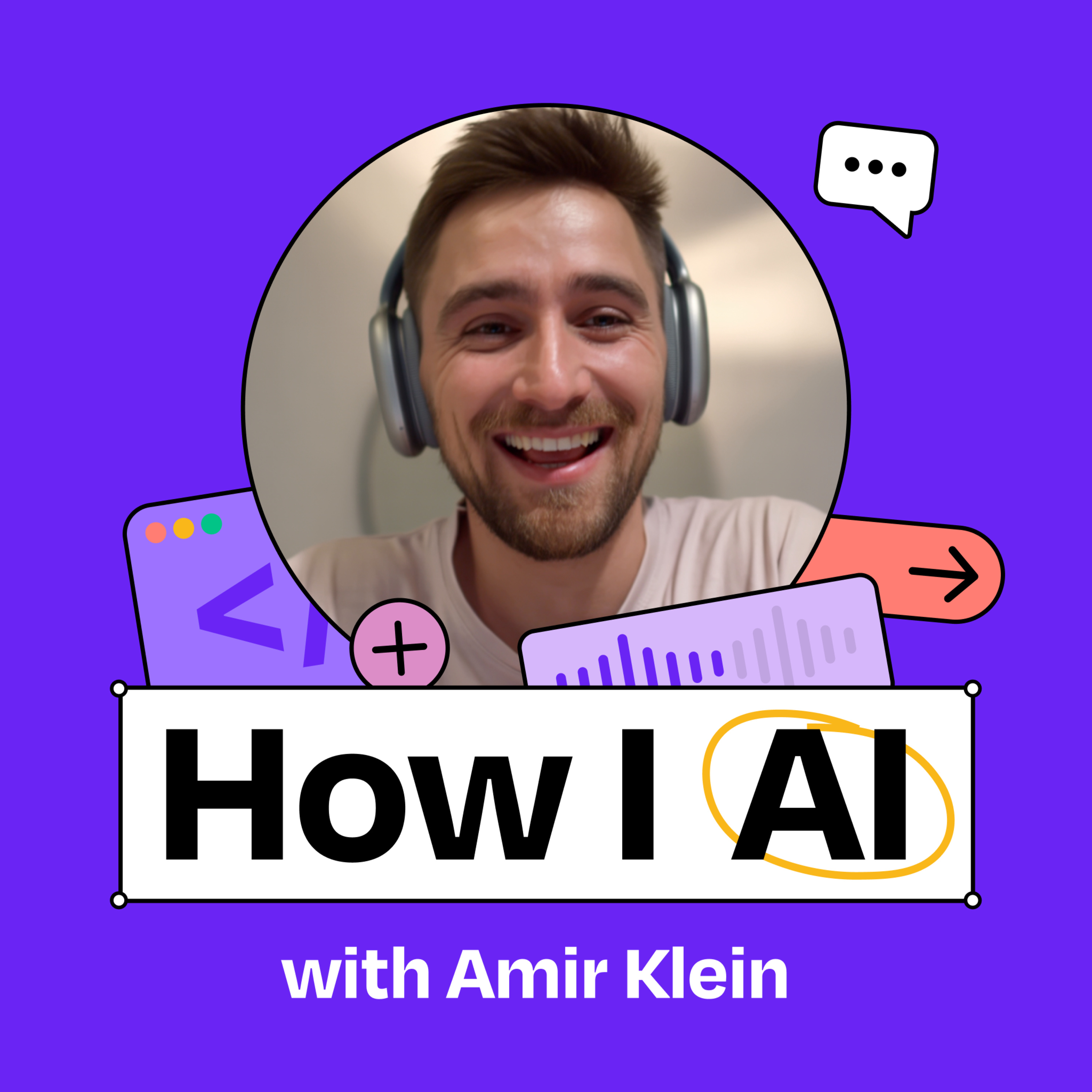
Go beyond just generating documents. PM Dennis Yang uses an AI agent in Cursor to read comments on a Confluence PRD, categorize them by priority, draft responses, and post them on his behalf. This automates the tedious but critical process of acknowledging and incorporating feedback.
Don't view AI tools as just software; treat them like junior team members. Apply management principles: 'hire' the right model for the job (People), define how it should work through structured prompts (Process), and give it a clear, narrow goal (Purpose). This mental model maximizes their effectiveness.

Instead of holding context for multiple projects in their heads, PMs create separate, fully-loaded AI agents (in Claude or ChatGPT) for each initiative. These "brains" are fed with all relevant files and instructions, allowing the PM to instantly get up to speed and work more efficiently.
The prompts for your "LLM as a judge" evals function as a new form of PRD. They explicitly define the desired behavior, edge cases, and quality standards for your AI agent. Unlike static PRDs, these are living documents, derived from real user data and are constantly, automatically testing if the product meets its requirements.

After receiving feedback that his writing was too long, a PM built a custom GPT to make messages more concise. He fed it newsletters and books on effective writing from experts, creating a personalized coach that helped him apply the feedback in his daily work, leading to better engagement from colleagues.
While N8N is powerful for building complex AI agent workflows, its steep learning curve is geared towards engineers. Product Managers will find Lindy.ai more effective because it allows for agent creation through simple AI prompts, removing the technical barrier and speeding up prototyping.