Get your free personalized podcast brief
We scan new podcasts and send you the top 5 insights daily.
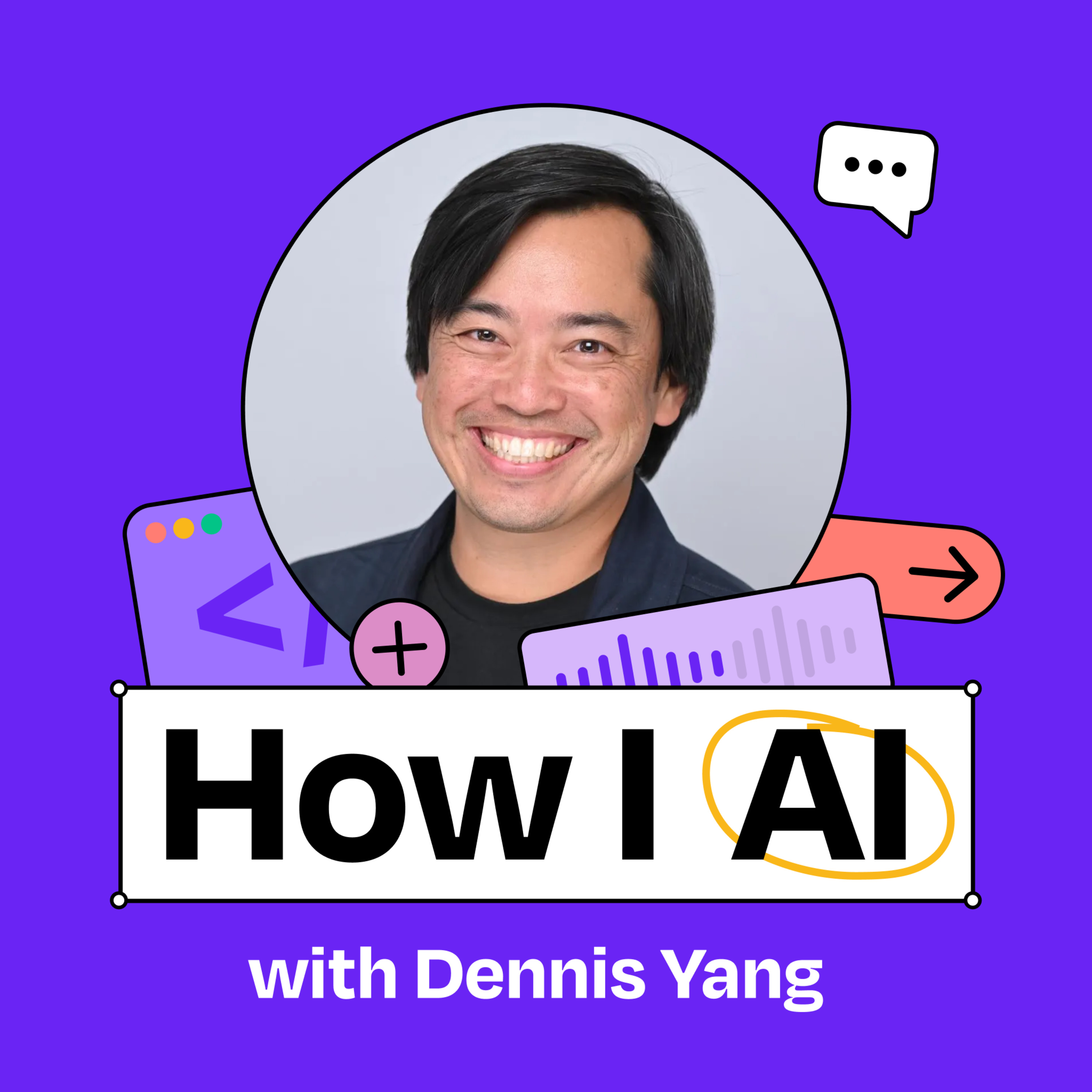
Go beyond just generating documents. PM Dennis Yang uses an AI agent in Cursor to read comments on a Confluence PRD, categorize them by priority, draft responses, and post them on his behalf. This automates the tedious but critical process of acknowledging and incorporating feedback.
Related Insights
AI agents will automate PM tasks like competitive analysis, user feedback synthesis, and PRD writing. This efficiency gain could shift the standard PM-to-developer ratio from 1:6-10 to 1:20-30, allowing PMs to cover a much broader product surface area and focus on higher-level strategy.
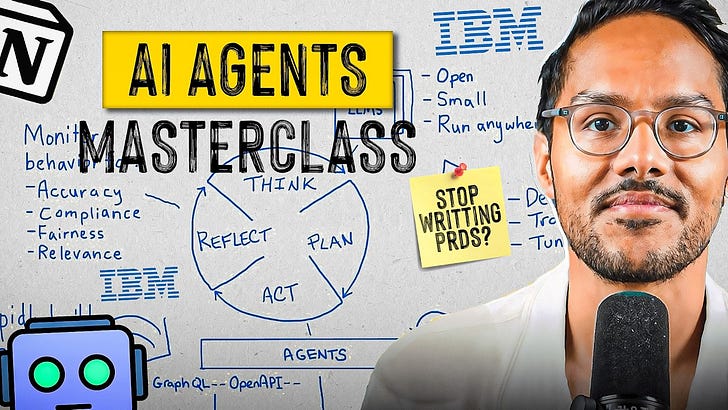
Integrate AI agents directly into core workflows like Slack and institutionalize them as the "first line of response." By tagging the agent on every new bug, crash, or request, it provides an initial analysis or pull request that humans can then review, edit, or build upon.
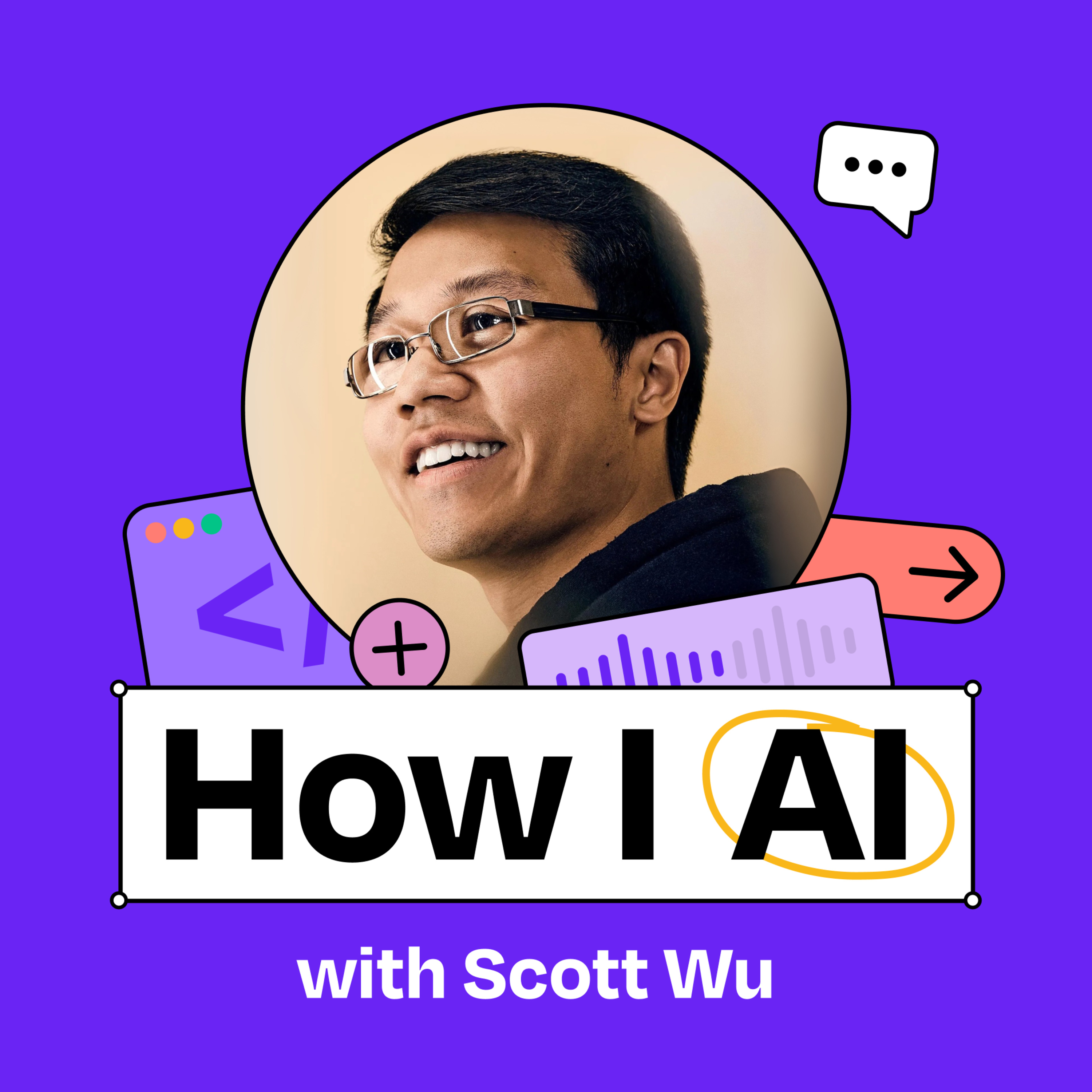
Principal PM Dennis Yang uses the AI-powered IDE Cursor not for coding, but as a central workspace for writing PRDs in Markdown, managing them with Git, and connecting to tools like Jira and Confluence. This consolidates the PM workflow into a developer-centric environment.
The next frontier for AI in product is automating time-consuming but cognitively simple tasks. An AI agent can connect CRM data, customer feedback, and product specs to instantly generate a qualified list of beta testers, compressing a multi-week process into days.

Instead of generic PRD generators, a high-leverage AI agent for PMs is a personalized reviewer. By training an agent on your manager's past document reviews, you can pre-empt their specific feedback, align your work with their priorities, and increase your credibility and efficiency.

Instead of writing Python or TypeScript to prototype an AI agent, PM Dennis Yang writes a "super MVP" using plain English instructions directly in Cursor. He leverages Cursor's built-in agentic capabilities, model switching, and tool-calling to test the agent's logic and flow without writing a single line of code.
Instead of a multi-week process involving PMs and engineers, a feature request in Slack can be assigned directly to an AI agent. The AI can understand the context from the thread, implement the change, and open a pull request, turning a simple request into a production feature with minimal human effort.
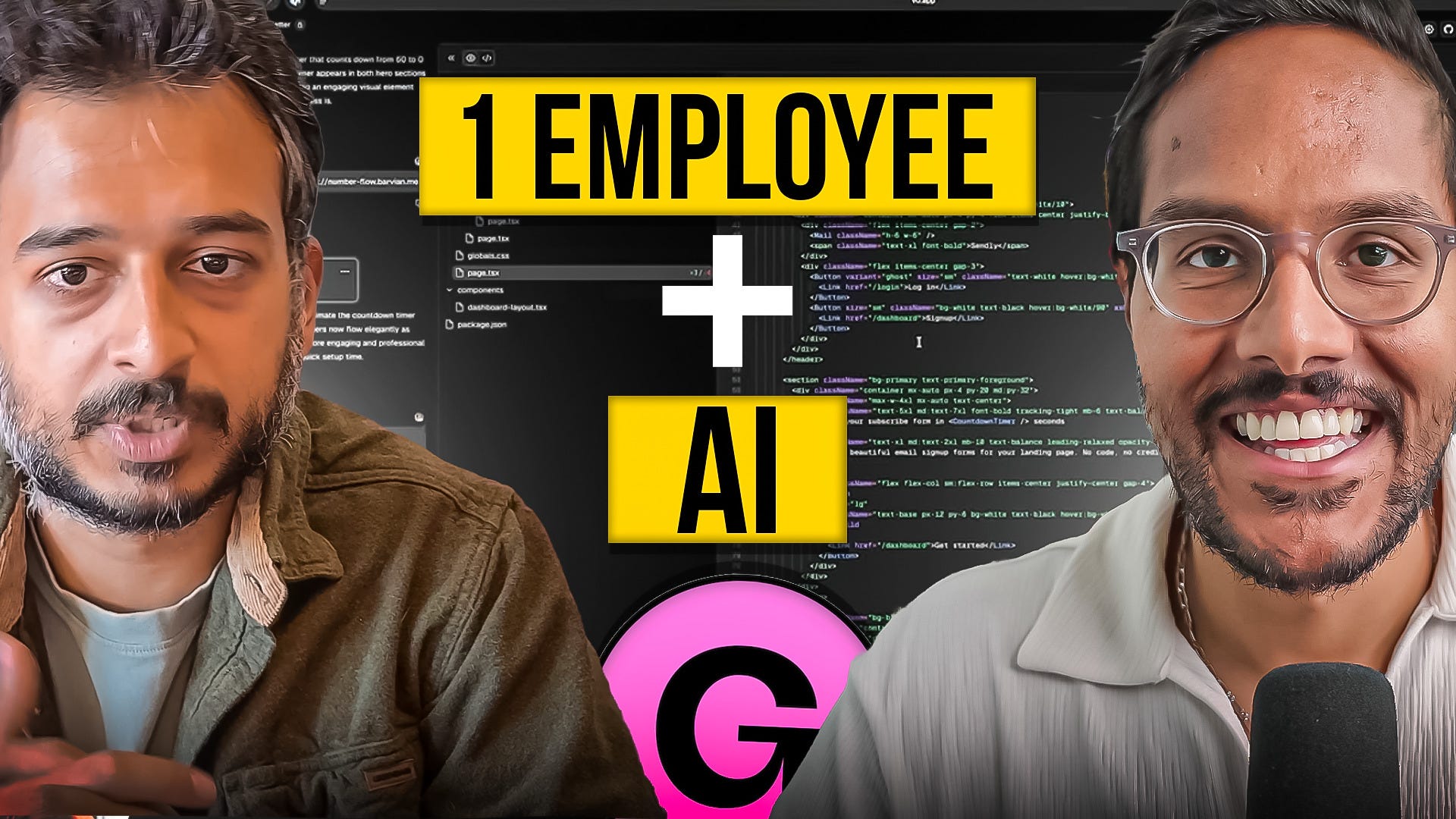
Instead of holding context for multiple projects in their heads, PMs create separate, fully-loaded AI agents (in Claude or ChatGPT) for each initiative. These "brains" are fed with all relevant files and instructions, allowing the PM to instantly get up to speed and work more efficiently.
The prompts for your "LLM as a judge" evals function as a new form of PRD. They explicitly define the desired behavior, edge cases, and quality standards for your AI agent. Unlike static PRDs, these are living documents, derived from real user data and are constantly, automatically testing if the product meets its requirements.

Product managers often hit cognitive fatigue from constantly re-formatting the same core information for different audiences (e.g., customer notes to PRD, PRD to Jira tickets, tickets to executive summaries). Automating this "translation" work with AI frees up mental energy for higher-value strategic tasks and prevents lazy, context-poor handoffs.