Get your free personalized podcast brief
We scan new podcasts and send you the top 5 insights daily.
Skydio intentionally avoids the term 'drone,' which is associated with toys, instead using 'flying robot.' This reframes their product as part of a larger, more sophisticated infrastructure solution, helping them target critical business and military applications rather than the consumer market.

Related Insights
Jetpack company Gravity is commercializing its futuristic technology through practical, high-value niches. Instead of focusing on consumers, its go-to-market strategy targets defense applications, like boarding ships, and media opportunities. It also runs a training school to create a skilled pilot base for these operations.

Skydio's drones are designed as 'force multipliers' where AI handles complex tasks like navigation, obstacle avoidance, and subject tracking. This frees the human operator to focus on high-level mission objectives, like assessing a situation, rather than the mechanics of flying the drone.

As drone hardware becomes commoditized, the key strategic value is shifting to software. Companies creating hardware-agnostic 'middleware' platforms to orchestrate diverse drone fleets, manage data, and enable swarming are becoming more critical than the drone manufacturers themselves.

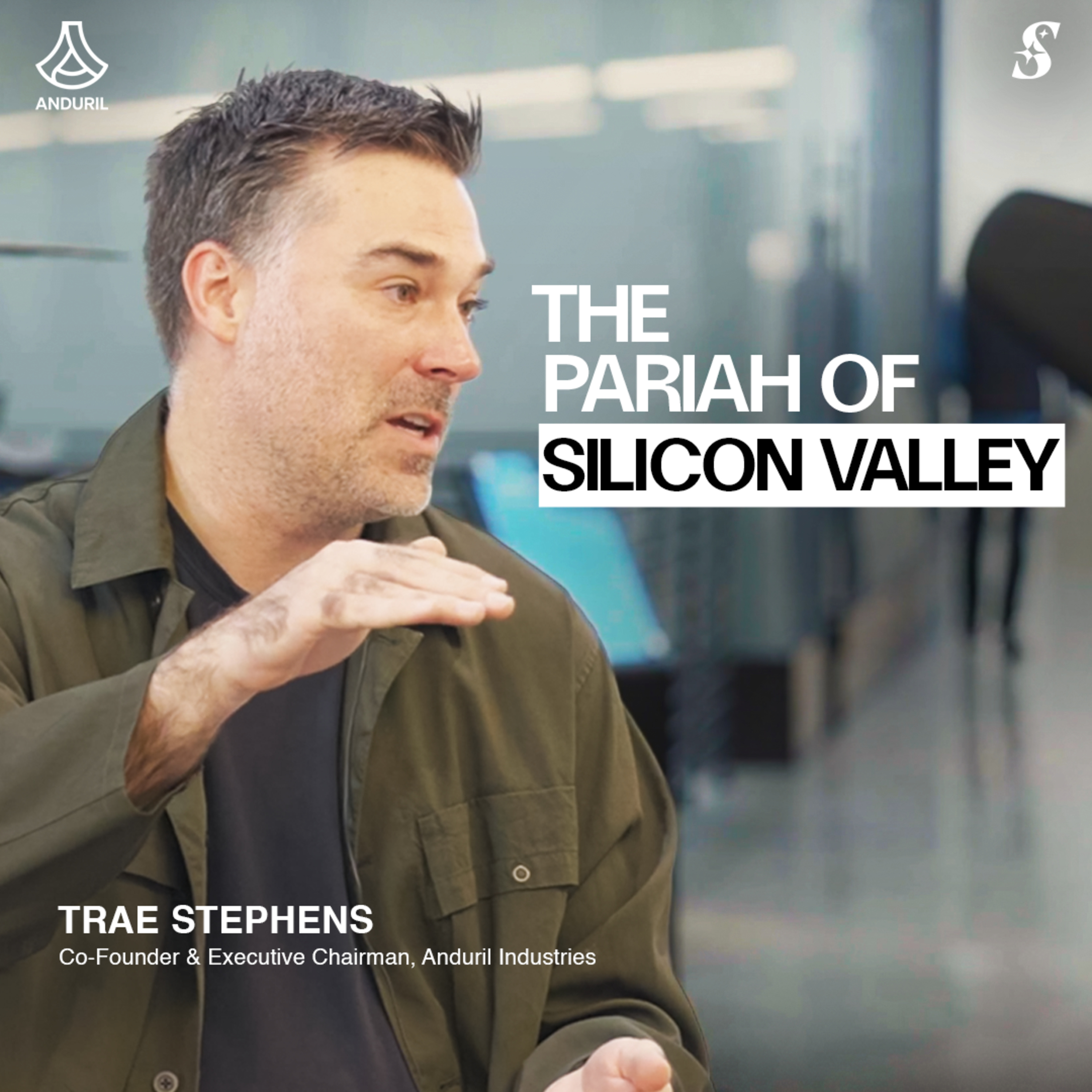
Despite building large physical systems like drones, Anduril's co-founder states their core competency and original vision is software. They are a "software-defined and hardware-enabled" company, which fundamentally differentiates their approach from traditional defense contractors who are the opposite.
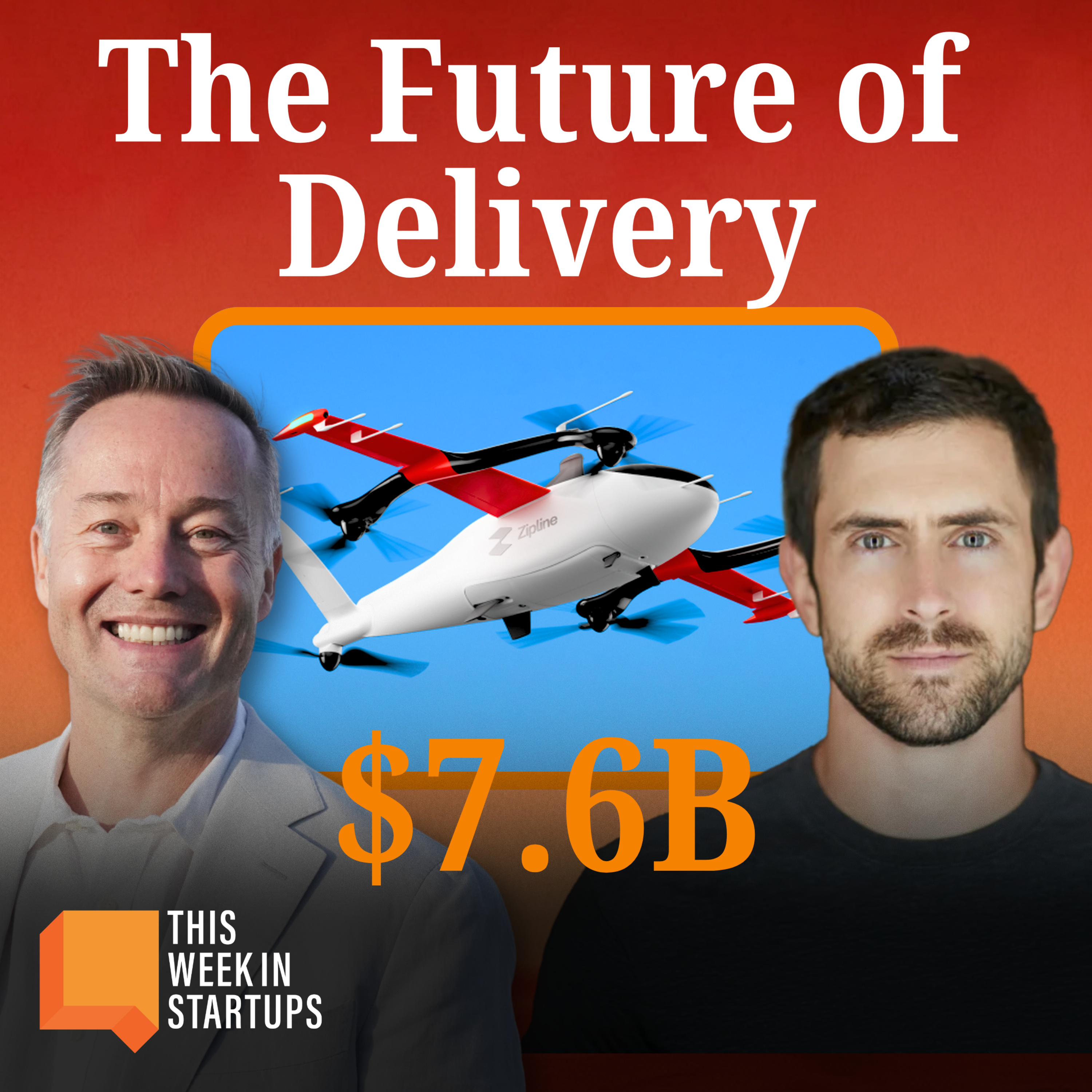
Zipline's original product was a robotics platform that failed to gain traction. Their 'Capital P Pivot' was to medical drone delivery, starting in Rwanda due to US regulations. The strategy was to build a strong safety record abroad to eventually earn the right to operate in the US.

Skydio intentionally spent its first decade focused on a single drone type. This patient approach allowed them to mature a core technology stack which now functions as a platform, enabling them to rapidly launch new drone form factors.
Zipline abstracts away all operational complexity (FAA regulations, maintenance, flight ops) and pitches a simple, powerful outcome to partners like Walmart: an instant delivery portal installed in their wall.
Skydio's consequential shift from consumer to enterprise drones was driven by the potential for life-saving impact, not by chasing an existing market. CEO Adam Brie notes that when they decided to focus on enterprise and government, those markets were "basically zero," making it a bet on future value.

Skydio's CEO argues the drone industry is transitioning from manually-operated "tools" to a new paradigm of autonomous, internet-connected drones that live in docking stations. This shift treats drones as infrastructure, enabling remote and automated operations that will have an orders-of-magnitude greater impact.
Skydio's GTM strategy treats its drones as a "spoke" that plugs into established industry platforms ("hubs") like Axon's evidence management system. This avoids forcing customers to replace core workflows, making adoption seamless and faster.