Get your free personalized podcast brief
We scan new podcasts and send you the top 5 insights daily.
When an executive says something you think is wrong, don't confront them. Instead, disarm them with a curious question like, "That's so interesting. What led you to believe that?" This shows respect, uncovers hidden context (like board pressure), and shifts the dynamic from a disagreement to co-creation.

Related Insights
In high-stakes corporate environments, people often use softened, 'coded' language that obscures real issues. Being radically direct by asking "What is the non-starter for you?" is refreshing to stakeholders and gets to the core of the conflict faster, enabling genuine alignment.
![The Right Way to Prioritize [Replay] thumbnail](https://storage.buzzsprout.com/9xn5wg1i0ed9bwrk6slghdmijcr6?.jpg)
A simple tactical language shift can completely change the tone of a feedback conversation. Asking "Why did you do that?" immediately puts people on the defensive. Instead, asking "What were the reasons that led to you doing this?" frames the inquiry as curiosity, leading to a more open discussion.

Direct questions in sales or leadership can feel confrontational. Prefacing them with 'I'm curious...' completely changes the dynamic from an interrogation to a collaborative effort to understand. This simple linguistic shift builds trust, encourages openness, and turns transactions into lasting relationships.

When presenting a problem statement to a buying group, ask who *disagrees* rather than who agrees. This counter-intuitive approach actively surfaces friction and different points of view early on. Treating these differing opinions as insights to explore, not objections to overcome, helps the group align organically.

To transform team dynamics, leaders should intentionally ask questions that invite challenges and alternative viewpoints. Simple prompts like 'What might we be missing here?' or 'Does anyone have a different point of view?' create psychological safety and signal that all contributions are valued.

In high-stakes discussions, instinctually attacking a point leads to a zero-sum game. Grammarly's co-founder starts his responses with a genuine "Yes" (not "Yes, but…"). This tactic is primarily for his own benefit, mentally priming him to find common ground first, which then shifts the conversation's dynamic toward a productive outcome.
In tense executive meetings, this simple verbal tool can de-escalate conflict. By starting with two points of agreement ("I like...") before posing a question ("I wonder if..."), you validate the other person, lower defensiveness, and create space for alternative ideas.
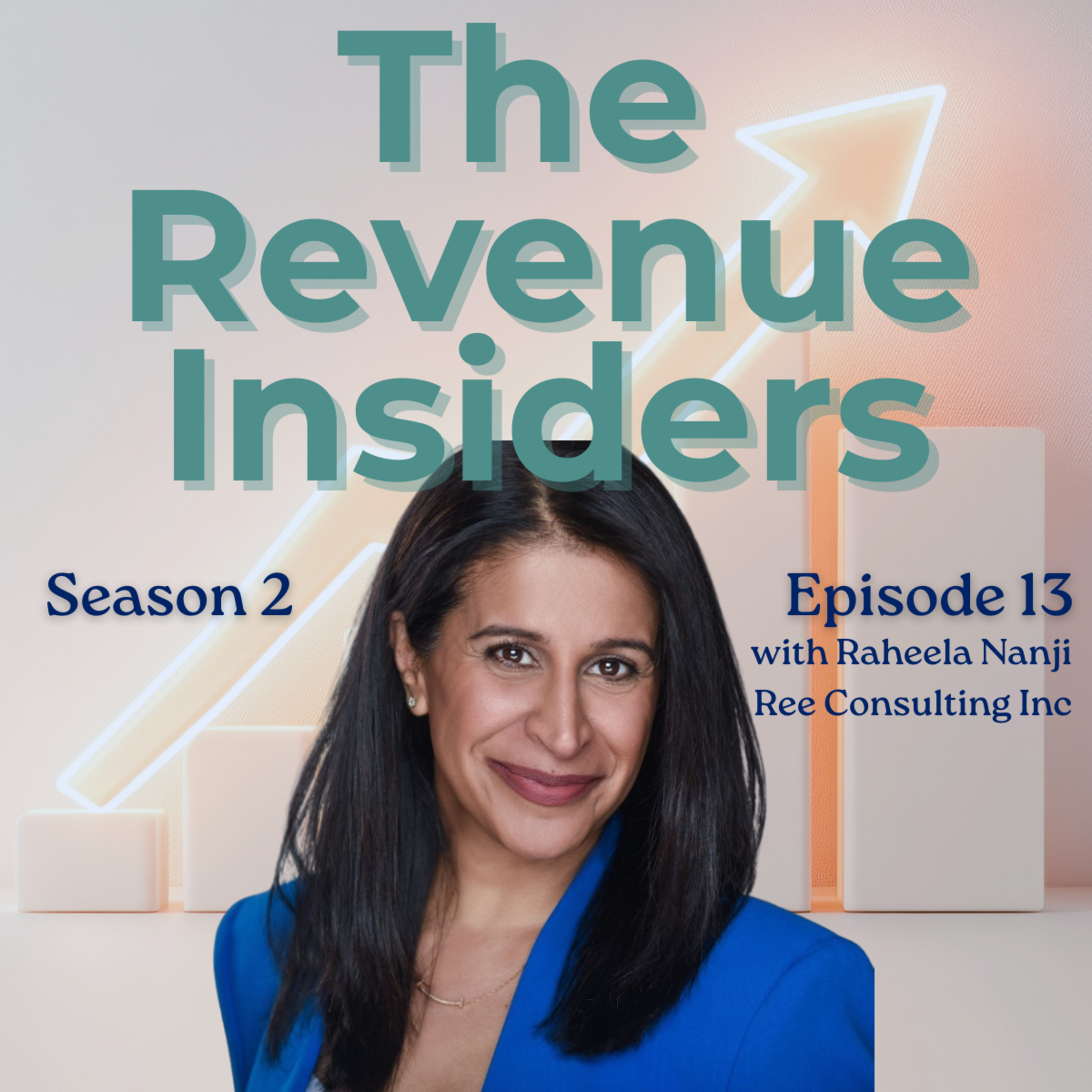
"What's top of mind?" has become a generic trope that elicits canned answers. To get to the real drivers, ask spicier, more specific questions that uncover underlying pressures. Try asking, "Tell me what the board is pushing you on," because every executive has a boss and is dealing with external pressures.
When a senior stakeholder proposes a potentially disruptive idea, direct resistance ('pushing') is counterproductive and strengthens their resolve. Instead, 'pull' them into a collaborative exploration. Acknowledge the idea, discuss the underlying problem it solves, and then gently steer the conversation back to how it aligns with the agreed-upon North Star, defusing tension.

Instead of personally challenging a guest, read a critical quote about them from another source. This reframes you as a neutral moderator giving them a chance to respond, rather than an attacker. The guest has likely already prepared an answer for known criticisms.
