Get your free personalized podcast brief
We scan new podcasts and send you the top 5 insights daily.
Our brains are wired to release dopamine through social bonding via the hormone oxytocin. Addictions hijack this natural reward system, replacing deep human connection with a substance or behavior. A key part of recovery is reactivating this healthy pathway by moving out of isolation.

Related Insights
In struggles with addiction, mental health, or professional failure, isolation is the most dangerous factor. It's compared to a 'cutting horse' that separates you from the herd, allowing negative self-talk to thrive. Proactively seeking connection and sharing experiences is the most critical step toward progress.

Modern society turns normal behaviors like eating or gaming into potent drugs by manipulating four factors: making them infinitely available (quantity/access), more intense (potency), and constantly new (novelty). This framework explains how behavioral addictions are engineered, hijacking the brain’s reward pathways just like chemical substances.
Mindless scrolling seeks a "fake" dopamine hit from passive consumption. By contrast, structured, intentional engagement—like sending five meaningful messages—creates "real" dopamine from accomplishment and relationship building. This purposeful activity can paradoxically reduce overall screen time by satisfying the brain's reward system more effectively.

Many people use substances to treat anxiety or depression, not realizing the substance itself causes a dopamine deficit that mimics those conditions. Abstaining for four weeks allows the brain to reset its reward pathways and restore natural dopamine production, often resolving the symptoms entirely.
Dopamine is often misunderstood as a 'pleasure molecule.' Its more crucial role is in motivation—the drive to seek a reward. Experiments show rats without dopamine receptors enjoy food but won't move to get it, starving to death. This seeking behavior is often triggered by the brain's craving to escape a dopamine deficit state.
The antidote to the destructive, isolating risk of online gambling is not risk aversion, but the redirection of that appetite toward constructive, real-world challenges. This involves encouraging social risks like approaching strangers, asking someone out, and investing in relationships—actions that build character and connection rather than draining finances.

Addiction isn't defined by the pursuit of pleasure. It's the point at which a behavior, which may have started for rational reasons, hijacks the brain’s reward pathway and becomes compulsive. The defining characteristic is the inability to stop even when the behavior no longer provides pleasure and begins causing negative consequences.
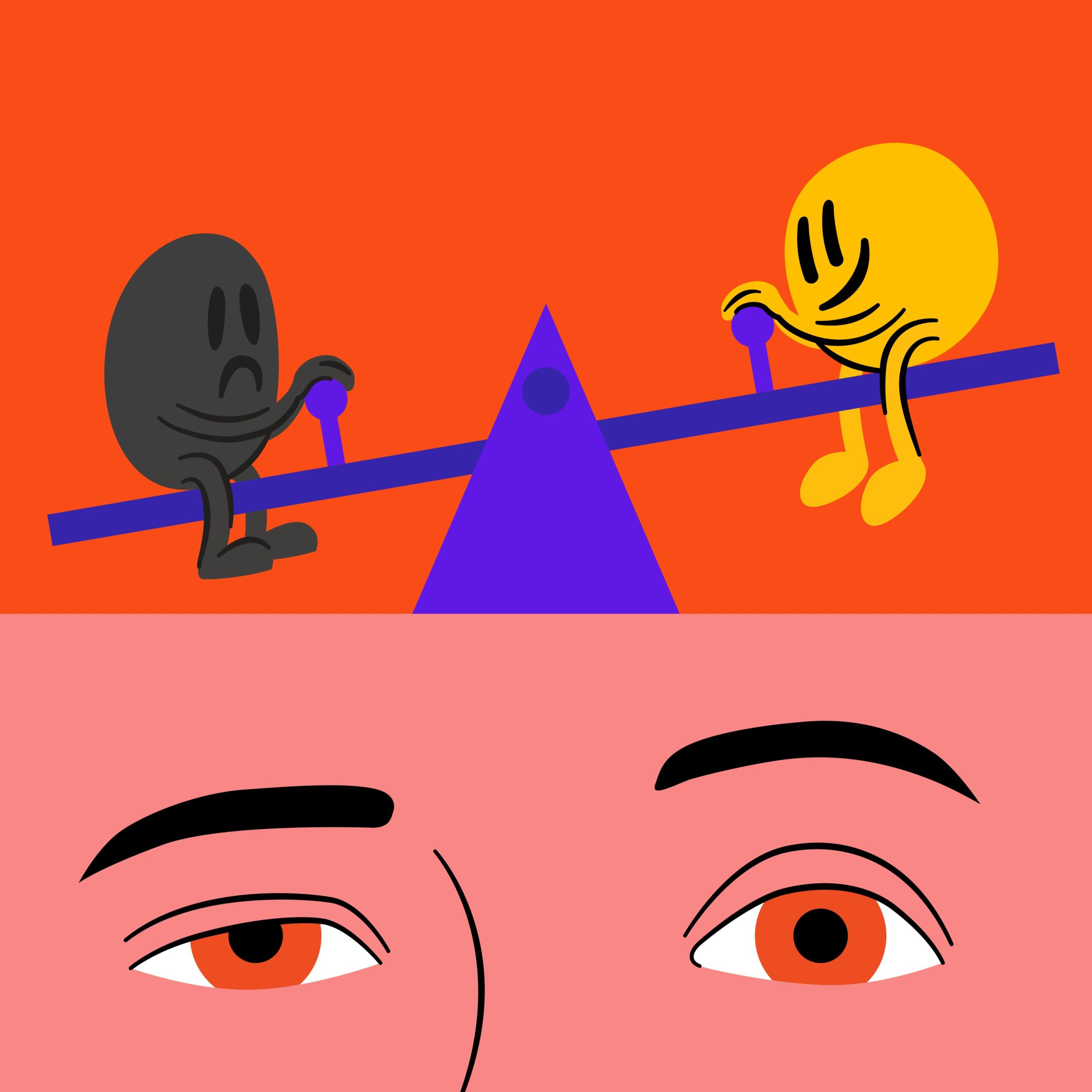
Constantly bombarding our reward pathways causes the brain to permanently weigh down the 'pain' side of its pleasure-pain balance. This alters our baseline mood, or 'hedonic set point,' meaning we eventually need our substance or behavior not to get high, but simply to escape a state of withdrawal and feel normal.
A socially satisfying life requires solitude, but the quality of that solitude depends on social interaction. Research shows people feel more content when alone *after* positive social experiences. Connection replenishes us in a way that transforms solitude from a state of loneliness into one of restorative contentment.

The brain maintains a pain-pleasure balance. Constantly triggering pleasure (dopamine) causes the brain to overcompensate by activating pain pathways, leading to a chronic dopamine-deficient state that manifests as anxiety, irritability, and depression.