Get your free personalized podcast brief
We scan new podcasts and send you the top 5 insights daily.
Many people use substances to treat anxiety or depression, not realizing the substance itself causes a dopamine deficit that mimics those conditions. Abstaining for four weeks allows the brain to reset its reward pathways and restore natural dopamine production, often resolving the symptoms entirely.

Related Insights
Our brains are wired to release dopamine through social bonding via the hormone oxytocin. Addictions hijack this natural reward system, replacing deep human connection with a substance or behavior. A key part of recovery is reactivating this healthy pathway by moving out of isolation.
To overcome negative mental states like depression, focus on physical action rather than cognitive wrestling. Activities like intense exercise, clean eating, or even simple biological hacks like side-to-side eye movement directly alter your neurochemistry, offering a more effective path to change than thought alone.

The emotional flatness and lack of motivation common in menopause stems from a drop in dopamine. Instead of forcing yourself through old routines, you can strategically counteract this by introducing novelty. Learning a new sport or changing daily habits helps naturally boost dopamine and reignite drive.

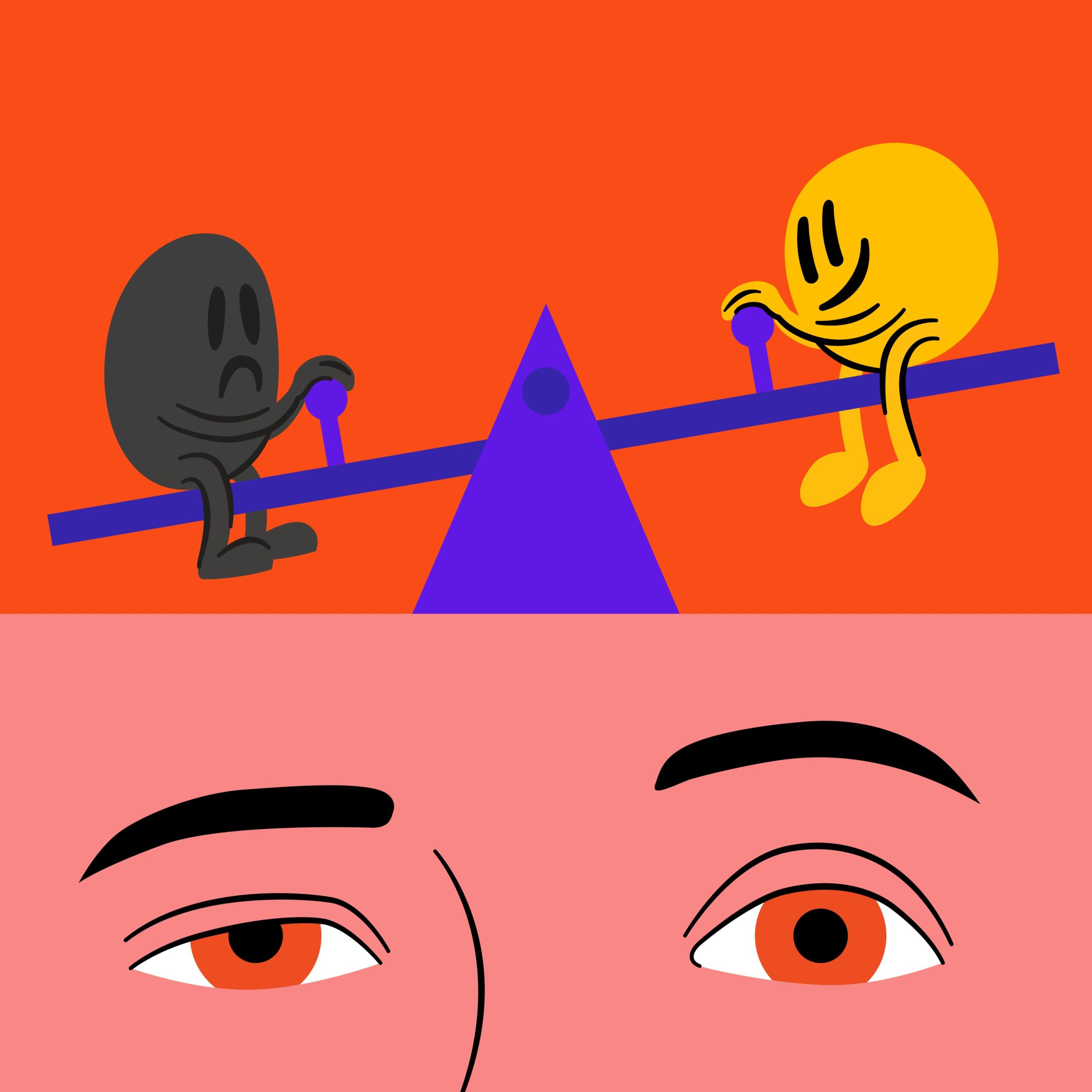
Neuroscience shows pleasure and pain are co-located in the brain and work like a seesaw. When we experience pleasure, the brain immediately compensates by tilting towards pain to restore balance. This neurological 'come down' is why constant pleasure-seeking eventually leads to a state of chronic pain and craving.
Dopamine is often misunderstood as a 'pleasure molecule.' Its more crucial role is in motivation—the drive to seek a reward. Experiments show rats without dopamine receptors enjoy food but won't move to get it, starving to death. This seeking behavior is often triggered by the brain's craving to escape a dopamine deficit state.
Psychiatrist Anna Lemke links rising rates of depression and anxiety in the world's richest nations to the overstimulation of our dopamine pathways. Constant access to high-pleasure foods, entertainment, and products creates a chronic dopamine deficit state, leaving people unhappier, more irritable, and unable to enjoy simple pleasures.
Addiction isn't defined by the pursuit of pleasure. It's the point at which a behavior, which may have started for rational reasons, hijacks the brain’s reward pathway and becomes compulsive. The defining characteristic is the inability to stop even when the behavior no longer provides pleasure and begins causing negative consequences.
Constantly bombarding our reward pathways causes the brain to permanently weigh down the 'pain' side of its pleasure-pain balance. This alters our baseline mood, or 'hedonic set point,' meaning we eventually need our substance or behavior not to get high, but simply to escape a state of withdrawal and feel normal.
Deliberately engaging in challenging activities (e.g., intense exercise, cold plunges) triggers the brain's own reward systems to release feel-good neurotransmitters for hours afterward without a crash. This method of "paying for dopamine upfront" resets your joy threshold and builds resilience.
The brain maintains a pain-pleasure balance. Constantly triggering pleasure (dopamine) causes the brain to overcompensate by activating pain pathways, leading to a chronic dopamine-deficient state that manifests as anxiety, irritability, and depression.