Get your free personalized podcast brief
We scan new podcasts and send you the top 5 insights daily.
To retain founders who've already cashed out, use a dual incentive. Offer rollover equity in the new parent company for long-term alignment ('a second bite at the apple'), and a cash earn-out tied to short-term growth targets. This financial structure is crucial when managing wealthy, independent operators who don't need the job.

Related Insights
Successful founders prioritize cash upfront over potentially larger payouts from complex earnouts. Earnouts often underperform because founders lose control of the business's future performance, leading to dissatisfaction despite a higher on-paper valuation.
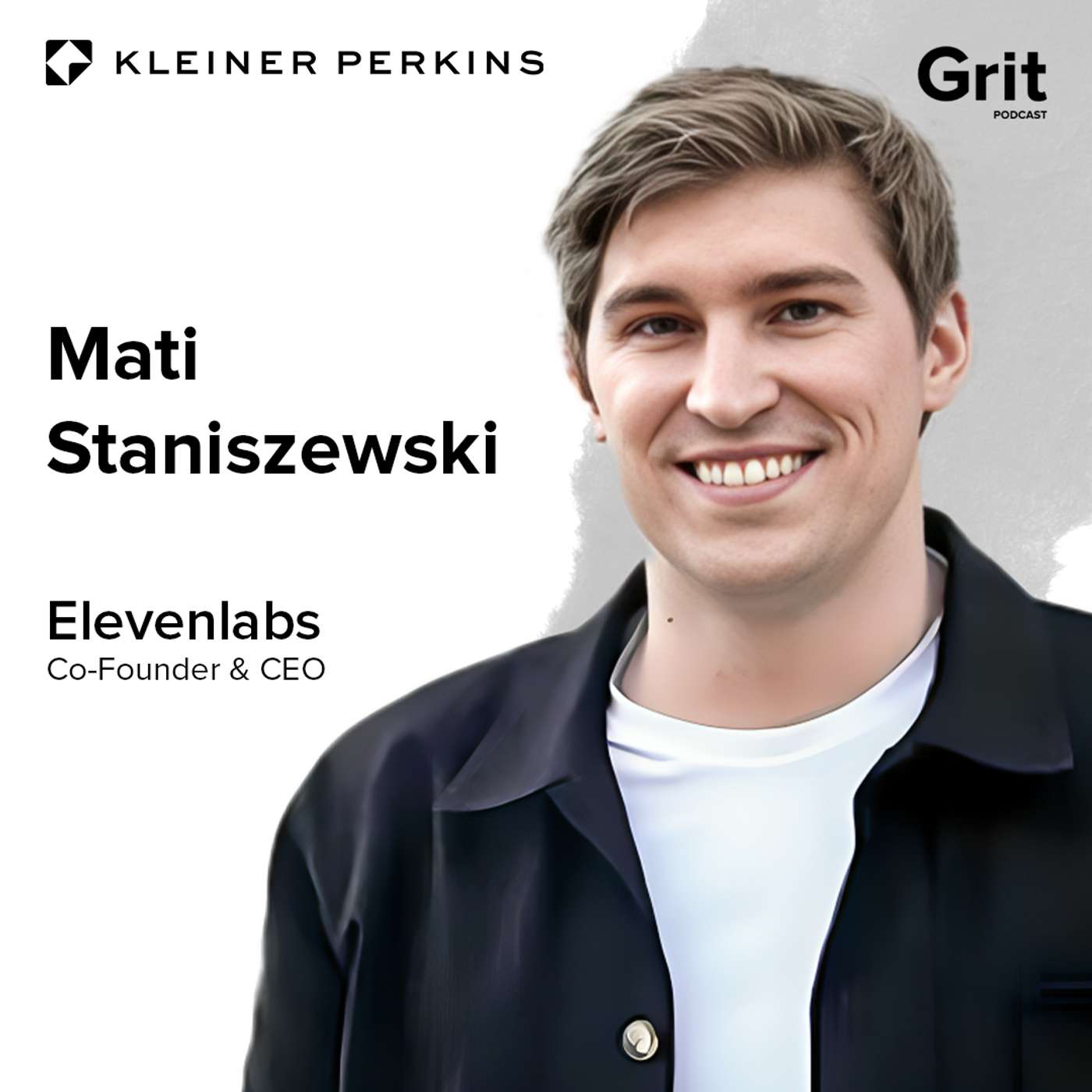
ElevenLabs raised a $100M round entirely for employee secondaries. The CEO's rationale is that by allowing early team members to de-risk and realize financial gains, it solidifies their commitment to the company's multi-year mission rather than creating pressure for a quick exit.
Serial acquirer Lifco improves post-acquisition performance by having sellers retain an ownership stake in their business. This goes beyond typical earn-outs, keeping the founder's expertise and incentives aligned with the parent company for long-term growth, rather than just hitting short-term targets.
Granting stock options is only half the battle. To make equity a powerful motivator, leaders must constantly communicate a clear and believable narrative for a future liquidity event, such as an acquisition. This vision is what transforms paper ownership into a tangible and valuable incentive in the minds of employees.

Founders should be wary of earn-out clauses. Acquirers can impose layers of pointless processes and overhead costs, tanking the profitability of a successful business and making it impossible for the founder to ever receive their earn-out payment.

Earnouts rewarding only the acquired team's siloed performance create a major integration roadblock. This structure incentivizes them to hoard resources and avoid collaboration, directly undermining the goal of creating a unified culture and destroying potential cross-functional value.

Giving management 15% equity instead of the standard 10% is a small cost to the sponsor (e.g., an 85% stake vs. 90%). However, this 50% increase in potential wealth for management creates significant alignment and motivation, leading to a much larger overall enterprise value that benefits all parties.
Founders whose startups were acquired by large enterprises can become your most powerful internal champions. They understand the startup mentality, know how to navigate internal politics and procurement, and are often motivated to bring in better technology. Actively seek them out.

An exit that provides a significant financial win but isn't enough to retire on can be a powerful motivator. It acts as a 'proof point' that validates the founder's ability while leaving them hungry for a much larger outcome, making them more driven than founders who are either pre-success or have achieved a life-changing exit.

A business transitions from a founder-dependent "practice" to a scalable "enterprise" only when the founder shares wealth and recognition. Failing to provide equity and public credit prevents attracting and retaining the talent needed for growth, as top performers will leave to become owners themselves.
