Get your free personalized podcast brief
We scan new podcasts and send you the top 5 insights daily.
In a refill-based business model, the consumable scents or ingredients will change, but the reusable vessel remains. Therefore, the vessel's design must be unmistakably beautiful. It's the enduring physical object that builds brand recognition and emotional resonance with the customer in their home.

Related Insights
Graza's success with a squeeze bottle was quickly copied, proving that a non-patentable innovation gives only a temporary lead. For consumer brands, the only sustainable defense against copycats is to constantly introduce new formats and features to stay ahead.

When building a brand, differentiate between long-term and short-term elements. The core purpose and emotional connection should be enduring. In contrast, functional and experiential benefits must be constantly refreshed to remain relevant as markets and consumer tastes evolve.
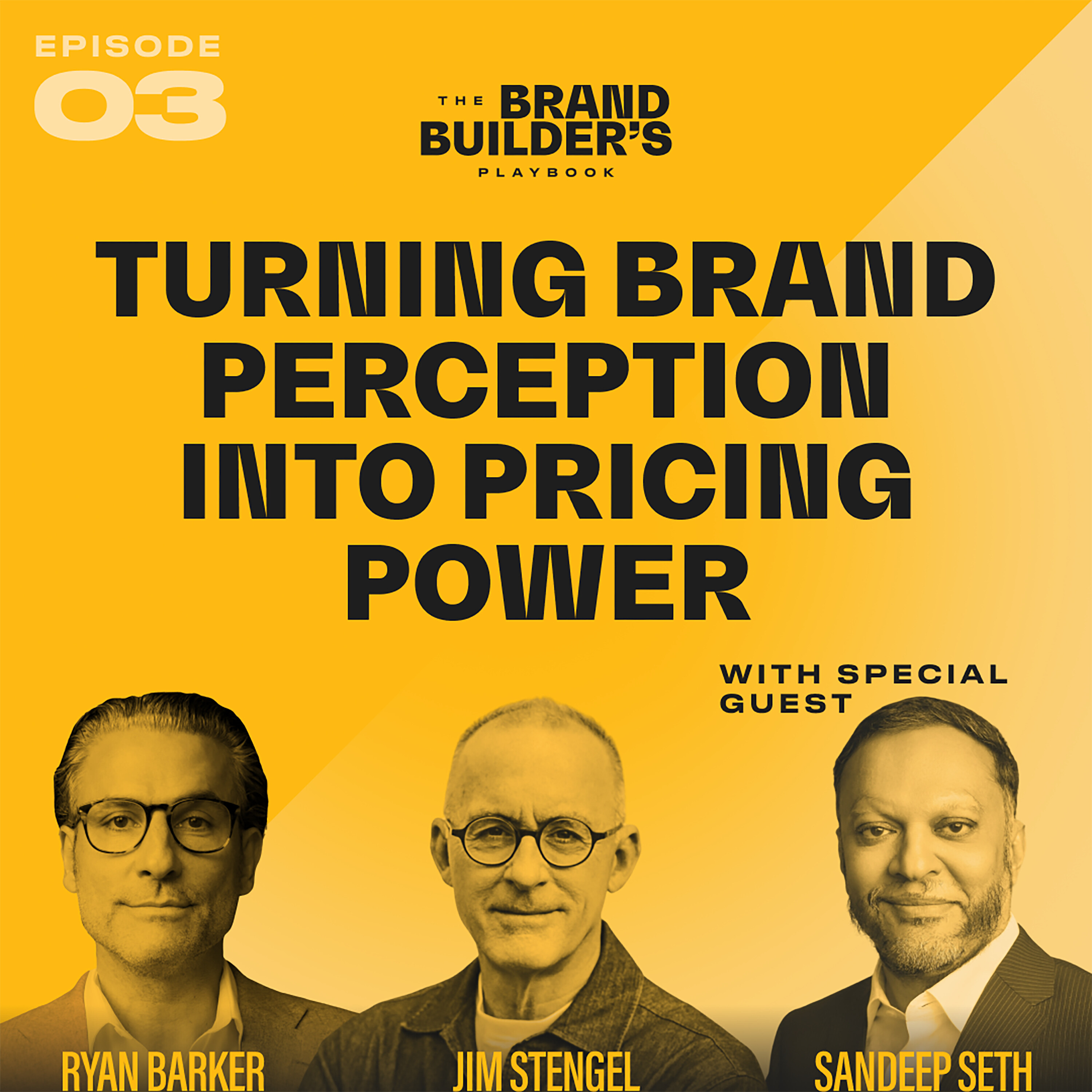
Packaging can be more than a container; it can be a feature that adds value and novelty. For a CPG brand, this could mean including unique messages, poems, or even personalized fortunes on wrappers, creating a small moment of delight that enhances the customer experience and brand story.
Most product categories are commodities with minimal functional differences. Success, as shown by Liquid Death in the water category, hinges on building an emotional connection through branding and packaging, which are the primary drivers of consumer choice over minor product benefits.
Companies like Bath & Body Works are moving beyond visual marketing by infusing physical spaces with signature scents. This "scent-a-gration" leverages the powerful link between smell and memory to create deep, lasting brand associations in high-traffic areas.

Founder Jim Cregan's core philosophy is that a product's success hinges on three elements working in perfect harmony: branding (what it says), packaging (how it feels), and ingredients (how it tastes). If one of these pillars is weak, the entire product fails.

In a crowded market, brand is defined by the product experience, not marketing campaigns. Every interaction must evoke the intended brand feeling (e.g., "lovable"). This transforms brand into a core product responsibility and creates a powerful, defensible moat that activates word-of-mouth and differentiates you from competitors.

A brand is a powerful moat that makes a generic product unique in the customer's mind. For example, Revlon and a generic CVS-brand makeup can come from the same factory, but the Revlon brand commands a higher price, conversion rate, and customer loyalty.

The marketing appeal of "eco-friendly" may be waning. For a brand like Siblings refillable candles, a more powerful angle is to position the product as a form of modern luxury: owning fewer, higher-quality, permanent items. This shifts the focus from environmental obligation to aspirational lifestyle and superior design.
Move beyond listing features and benefits. The most powerful brands connect with customers by selling the emotional result of using the product. For example, Swishables sells 'confidence' for a meeting after coffee, not just 'liquid mouthwash.' This emotional connection is the ultimate brand moat.
