Get your free personalized podcast brief
We scan new podcasts and send you the top 5 insights daily.
Moritz argues his journalism background was excellent training for 1980s venture capital. In the pre-internet era, the primary challenge was dealing with imperfect information, not technical complexity. A journalist's ability to uncover and synthesize information from limited sources was more valuable than an engineering degree, a dynamic that has since inverted.
![Michael Moritz - Lessons From 40 Years of Investing and Writing - [Invest Like the Best, EP.491] thumbnail](https://megaphone.imgix.net/podcasts/ef669774-cccd-11ed-889b-c36caad6646f/image/158efdddfb983d2678b3530d484e8aa2.jpg?ixlib=rails-4.3.1&max-w=3000&max-h=3000&fit=crop&auto=format,compress)
Related Insights
In the 20th century, careers like investment banking thrived on networks ("who you know"). The internet made expertise discoverable, shifting value to "what you know" roles like hedge fund managers and AI engineers. This trend continues, making deep knowledge more valuable than a good rolodex.

Jones argues journalism training is more valuable than a business degree. It forces you to put the conclusion first and hierarchically organize information ('who, what, where, when, why'). This creates a mental framework for rapid, principal-component analysis, essential for complex trading decisions.
![Paul Tudor Jones - Lessons From 50 Years in Markets - [Invest Like the Best, EP.469] thumbnail](https://megaphone.imgix.net/podcasts/52d36872-42a6-11f1-b41c-87326559037a/image/d068797e4bbea95234d3151c4a78877b.jpg?ixlib=rails-4.3.1&max-w=3000&max-h=3000&fit=crop&auto=format,compress)
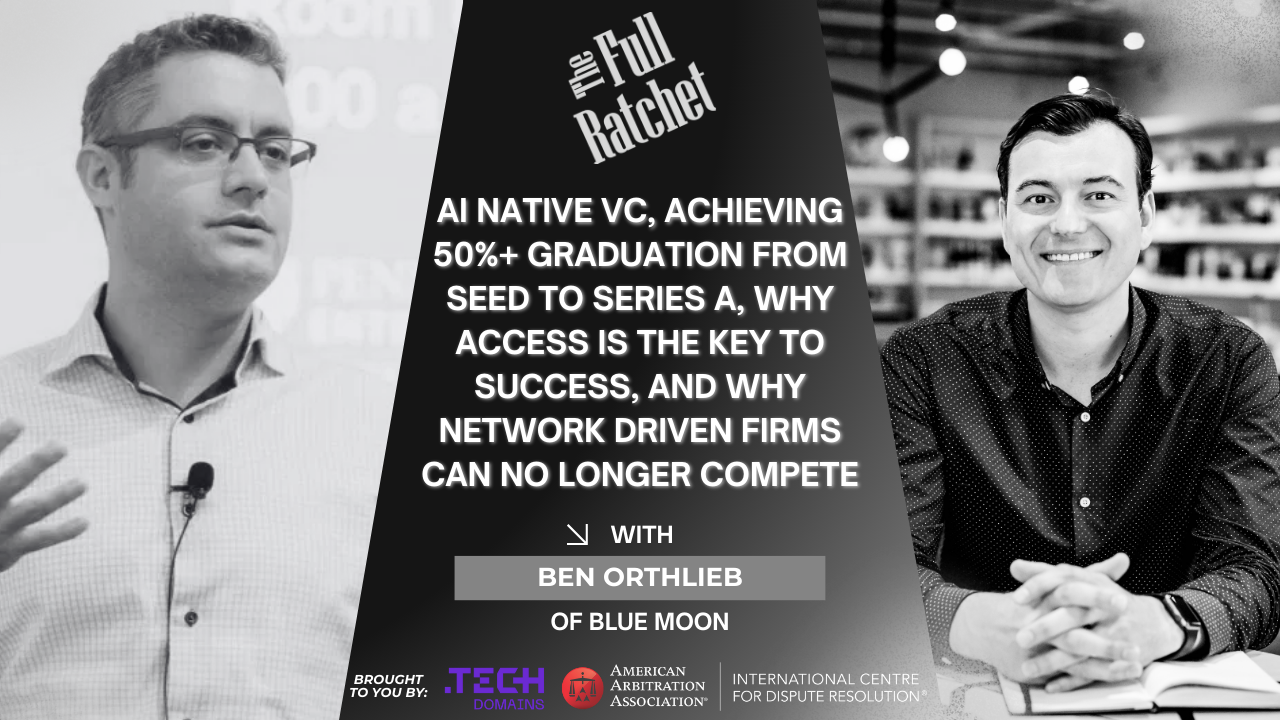
Traditional VC reliance on "differentiated networks" is obsolete as data sources and professional networks are now commodities. To compete, modern VCs must replace this outdated advantage with proprietary intelligence platforms that algorithmically source deals and identify the right signals for where to focus time.
As AI handles analytical tasks like coding and financial modeling, a VC's primary edge will no longer be technical diligence. The ability to discern cultural trends, understand consumer sentiment, and have 'taste' will become the most valuable, defensible skill.

The core function of a venture capitalist is deeply rooted in storytelling. Investors constantly sell a vision—to founders they want to back, to LPs in their fund, and to internal partners. This makes a hybrid investor-media role a natural extension of a VC's primary job.

Tim Guinness prioritizes recruiting graduates with engineering degrees for investment roles. He believes engineers are uniquely trained to make decisions with incomplete information and can handle complex numerical and statistical analysis, which are critical skills for evaluating companies.

The expectation for venture capitalists has shifted. Founders no longer just want finance professionals; they demand investors who have direct operational experience and have been "in the trenches" of building a company. This change reflects a move towards more hands-on, value-add investing.

In VC, where being wrong is the norm (80%+ of the time), the most critical trait is not righteousness but deep curiosity. This learning-first mindset is what uncovers non-obvious opportunities and allows investors to see future market shifts before they become mainstream, according to True Ventures' Jon Callaghan.

Instead of focusing solely on networking and deal flow sharing, a young investor's true advantage is having more time and fewer obligations. This allows them to conduct deep research, speak directly with buyers, and form a unique, proprietary thesis that goes beyond the surface-level chatter common in venture circles.

Moritz argues his ability to evaluate founders stems from the watchfulness and careful listening he honed as a journalist, rather than any framework derived from analyzing visual arts. He believes all three skills are connected in taking the measure of a person.
