Get your free personalized podcast brief
We scan new podcasts and send you the top 5 insights daily.
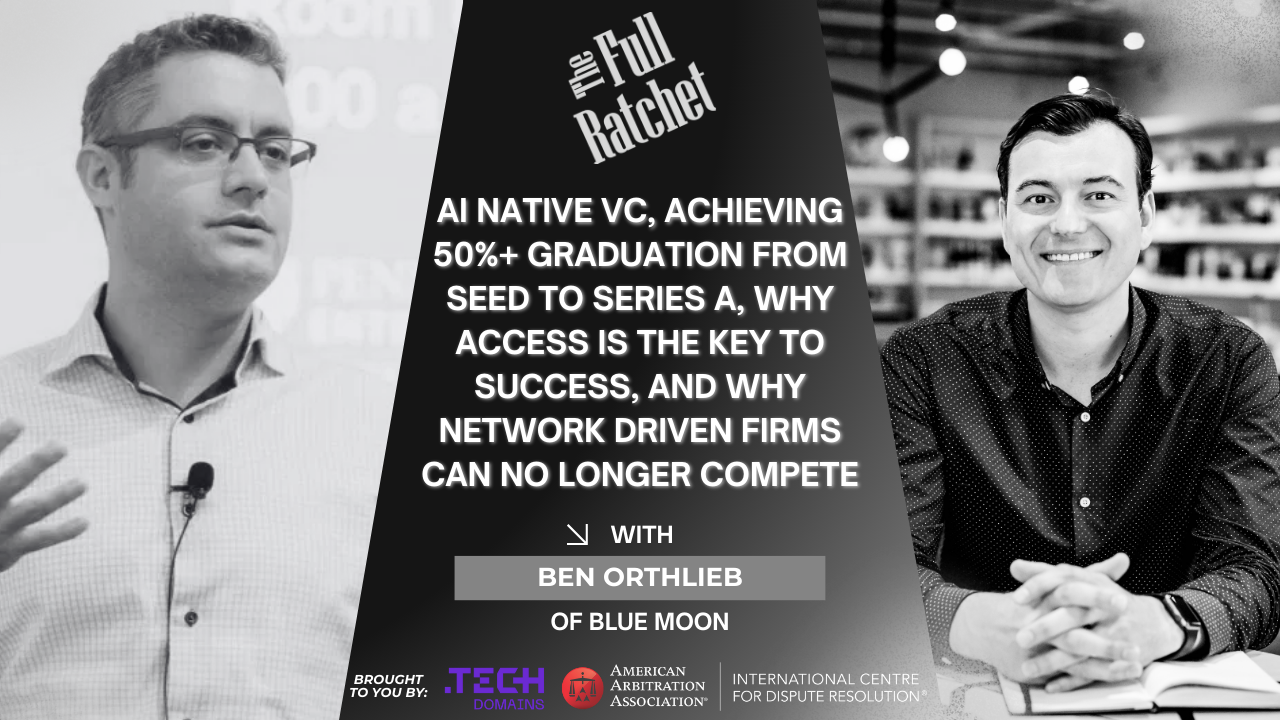
Traditional VC reliance on "differentiated networks" is obsolete as data sources and professional networks are now commodities. To compete, modern VCs must replace this outdated advantage with proprietary intelligence platforms that algorithmically source deals and identify the right signals for where to focus time.
Related Insights
To win deals without an established brand, VCs can provide tangible value upfront. Sending founders a detailed, AI-generated report on their market, competitors, and website maturity before the first meeting demonstrates insight, builds credibility, and frames the VC as a valuable product partner.
As platforms like AlphaSense automate the grunt work of research, the advantage is no longer in finding information. The new "alpha" for investors comes from asking better, more creative questions, identifying cross-industry trends, and being more adept at prompting the AI to uncover non-obvious connections.

While every VC has a network, true sourcing edge comes from building a brand and belief system that resonates deeply with founders. This makes founders proactively seek you out, creating a high-quality inbound channel with deals that competitors aren't seeing, allowing a small fund to punch above its weight.

VCs who spin out of tech giants like Airbnb have a powerful initial network. However, this edge typically expires after their third fund as original colleagues move on, forcing them to build a more durable, independent network to source deals.
An AI-native VC firm operates like a product company, developing in-house intelligence platforms to amplify human judgment. This is a fundamental shift from simply using tools like Affinity or Harmonics, creating a defensible operational advantage in sourcing, screening, and winning deals.
Horowitz claims a VC firm's ability to win access to the most sought-after deals is more critical to success than its genius for picking winners. A strong brand that ensures access to competitive rounds can generate top-tier returns even with average picking ability.

Contrary to the popular debate, venture is primarily an access game, not a picking game. The core challenge is building a system to see a high volume of exceptional founders and then win the allocation. Once that is achieved, selecting which ones to back becomes straightforward.
New investors should prioritize building a network that aligns with their fund's specific investment thesis. Generic networking is inefficient; focus on cultivating relationships with individuals who fit the fund's "ideal customer profile" to generate high-quality deal flow, as 80% of funded deals can come from this source.

AI-powered VC introduction platforms are not just connectors; they are stringent gatekeepers reflecting the high bar of the current market. By assigning a "grade" and only facilitating introductions for high-scoring decks, these systems programmatically enforce VC standards at scale.

Most VCs "gather" by networking broadly. QED advocates for "hunting": identifying a single, high-conviction company and relentlessly pursuing an investment. This shifts the mindset from passively waiting for inbound leads to proactively targeting the absolute best opportunities long before a formal fundraise begins.
