Get your free personalized podcast brief
We scan new podcasts and send you the top 5 insights daily.
Moritz argues his ability to evaluate founders stems from the watchfulness and careful listening he honed as a journalist, rather than any framework derived from analyzing visual arts. He believes all three skills are connected in taking the measure of a person.

Related Insights
Drawing an analogy to legendary music producer Rick Rubin, an investor's role is to help a founder find the most authentic and compelling version of their own story. The goal is not to invent a narrative, but to draw out the founder's core truth and channel it through their company.

The core function of a venture capitalist is deeply rooted in storytelling. Investors constantly sell a vision—to founders they want to back, to LPs in their fund, and to internal partners. This makes a hybrid investor-media role a natural extension of a VC's primary job.

To effectively spot founders with an extreme, outlier strength, an investor needs to have a similar "spiky" profile. The ability to recognize genuine, world-class expertise comes from having achieved it yourself in a domain—a "game recognizes game" phenomenon.

In VC, where being wrong is the norm (80%+ of the time), the most critical trait is not righteousness but deep curiosity. This learning-first mindset is what uncovers non-obvious opportunities and allows investors to see future market shifts before they become mainstream, according to True Ventures' Jon Callaghan.

Gaurav Kapadia argues art collecting is an intellectual exercise that strengthens investing. It's not about financial returns but about exercising the 'right brain' and, crucially, developing one's own taste and judgment. This is a critical soft skill for making high-conviction investments without relying on others' opinions.

Josh Wolf credits his cynical, "squinty-eyed" worldview from growing up around Coney Island's "carnival barkers" and "hucksters" as a crucial skill for distinguishing brilliant founders from frauds in venture capital.
![[REPLAY] Josh Wolfe – Seeing the Lux (Capital Allocators, EP.65) thumbnail](https://static.libsyn.com/p/assets/f/b/7/6/fb76e1c8bfb69e8dd959afa2a1bf1c87/CA_Square_logo_light_background_6.26.24.jpg)
Carles Reina argues that being a good salesperson makes you a better early-stage investor, not the other way around. Core sales skills like qualifying leads, reading people, and having a gut feeling for an opportunity are directly applicable to assessing pre-seed founders and their ventures.
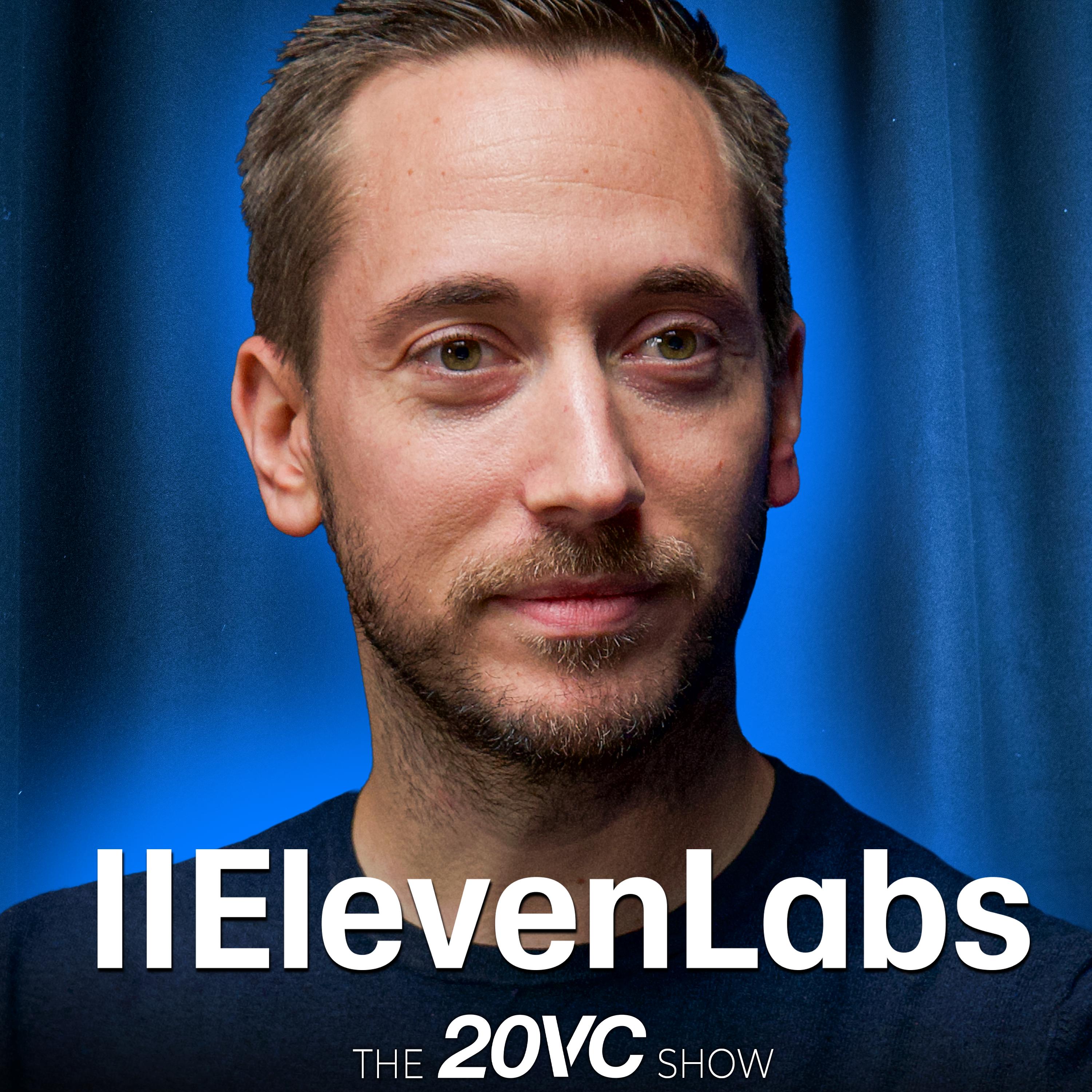
In early-stage investing, the quality of the founder can be more important than the initial business concept. A strong founder is seen as someone who will eventually find success, even if the first idea requires a pivot.

Experienced VCs may transition from rigid analytical frameworks to an intuitive search for outliers. Instead of asking if a business plan 'makes sense,' they look for unusual qualities that challenge their worldview and hint at massive potential.

Jerry Murdock realized his investment mistakes came from confusing true intuition with wishful thinking. The latter occurred when he was charmed by a likable founder, causing him to overlook a lack of obsession or drive. The lesson is to rigorously separate genuine pattern recognition from personal bias.
