Get your free personalized podcast brief
We scan new podcasts and send you the top 5 insights daily.
Hormozi emphasizes that he started his top-ranked podcast just 90 days after a major failure. This strategy of documenting the rebuild in real-time, rather than retrospectively, creates a highly relatable and authentic narrative that builds deep trust with his entrepreneurial audience.

Related Insights
Auntie Anne's PR strategy was centered on founder Anne Beiler's personal, faith-driven story of receiving a "miraculous" recipe. Her dream was to appear on a specific Christian talk show to share this testimony. By making her personal journey the core of the brand narrative, the company created a compelling identity that fueled its franchise growth.

Contrary to the belief that businesses must appear flawless, sharing behind-the-scenes struggles and unpolished content can build stronger community and loyalty. This raw authenticity resonates more with audiences than a curated image, humanizing the brand and making customers feel like part of the journey.
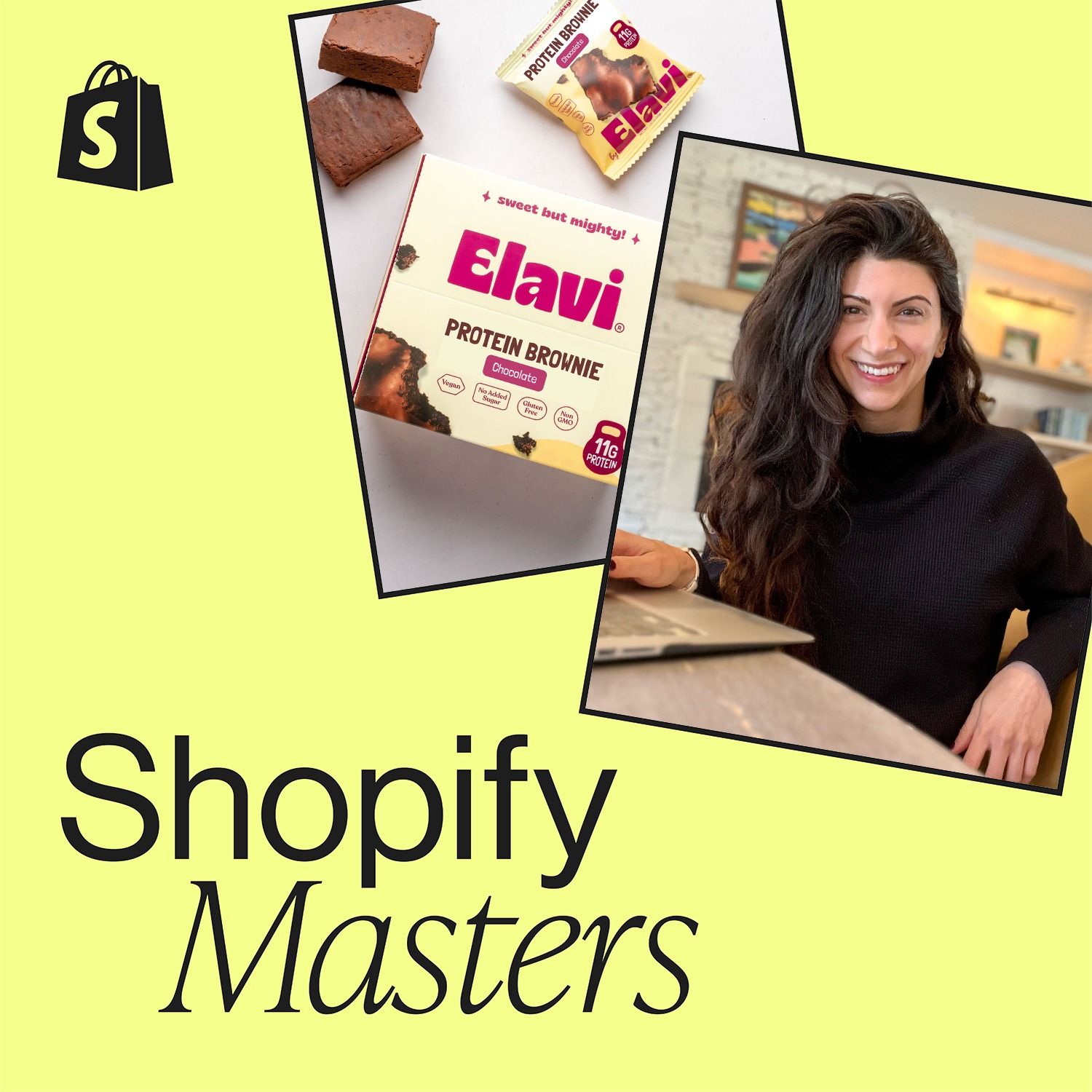
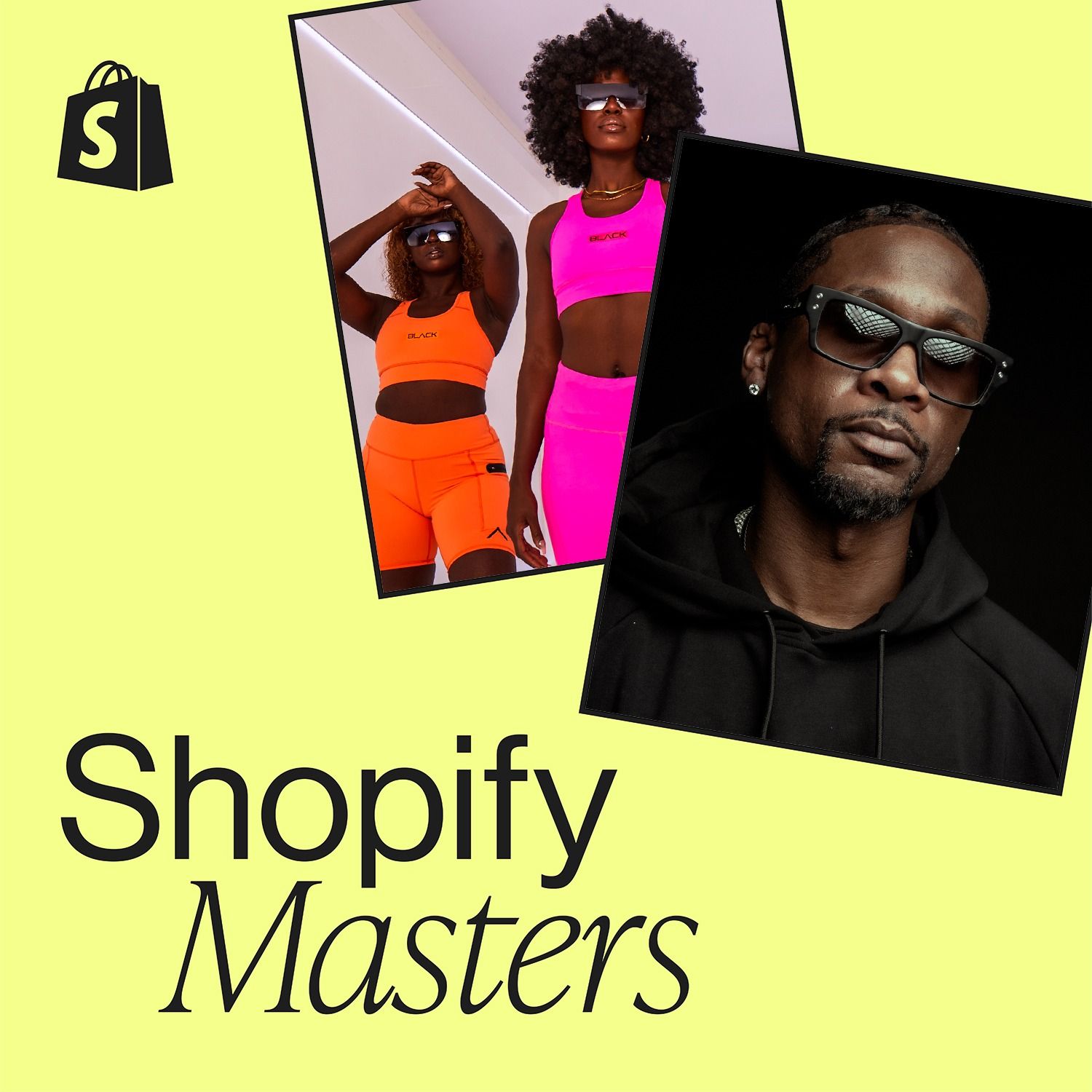
Lanny Smith was initially uncomfortable being the public face of Actively Black. He found, however, that sharing his personal story and motivations created a deeper customer connection than any marketing campaign could, making his authentic narrative the brand's most powerful growth tool.
Trust is now built through credible personalities, not just branded content. Channels like podcasts and newsletters succeed because they are personality-driven. HubSpot's CEO advises businesses to identify and empower internal figures with high authority to represent the brand.

Chasing viral moments is a losing game. The deep, intimate connection built by being a consistent voice in someone's ears via a podcast creates more brand equity and drives bigger results than any fleeting viral hit. Trust, earned over time, compounds and cannot be bought.

Create a dedicated GPT and feed it all your content (podcasts, newsletters, courses). Prompt it to extract and categorize your personal stories. This creates a searchable database, ensuring you can always find the perfect narrative to connect with your audience and make your lessons memorable.

The foundation of a strong personal brand is not self-promotion but demonstrated value. The process is twofold: first, achieve something notable or put in extraordinary effort to gain unique insights. Second, share what you've done and learned. This provides genuine value to others, which is the core of brand building.

Instead of trying to produce polished content as an expert, founders should simply document their daily journey—challenges, learnings, and even product development decisions. This approach lowers the barrier to creation, feels more authentic to the audience, and invites them to contribute.

For founders without a large marketing budget, building in public isn't optional. Lindsay Carter attributes Set Active's initial hype to sharing behind-the-scenes content on her personal social media. She argues that consumers want to root for the underdog, and showing the story—failures and all—is the most effective way to build a loyal following from scratch.

According to scientist Robin Dunbar, it takes about seven hours to build trust. Long-form content like podcasts reaches this threshold far more efficiently than the hundreds of short-form videos required, making it superior for developing high-value client relationships.