Get your free personalized podcast brief
We scan new podcasts and send you the top 5 insights daily.
The 'About Us' page is typically the second most-visited page. Instead of burying your origin story, feature it prominently. A compelling narrative about the founder's struggles and motivations, like a co-founder losing $100M, creates a powerful emotional connection that product features cannot.

Related Insights
Many visitors will see your product page and then leave to buy on a marketplace like Amazon. The primary goal of your "above the fold" section should be to create a strong emotional connection and sell the "why," ensuring your brand message resonates even if the conversion happens elsewhere.

Your website's headline should evoke a feeling, specifically the relief from a customer's core pain point. Instead of describing your product's function (e.g., 'AI tax assistant'), describe the emotional state it eliminates (e.g., 'Taking the terror out of tax season'). This connects with the user immediately.
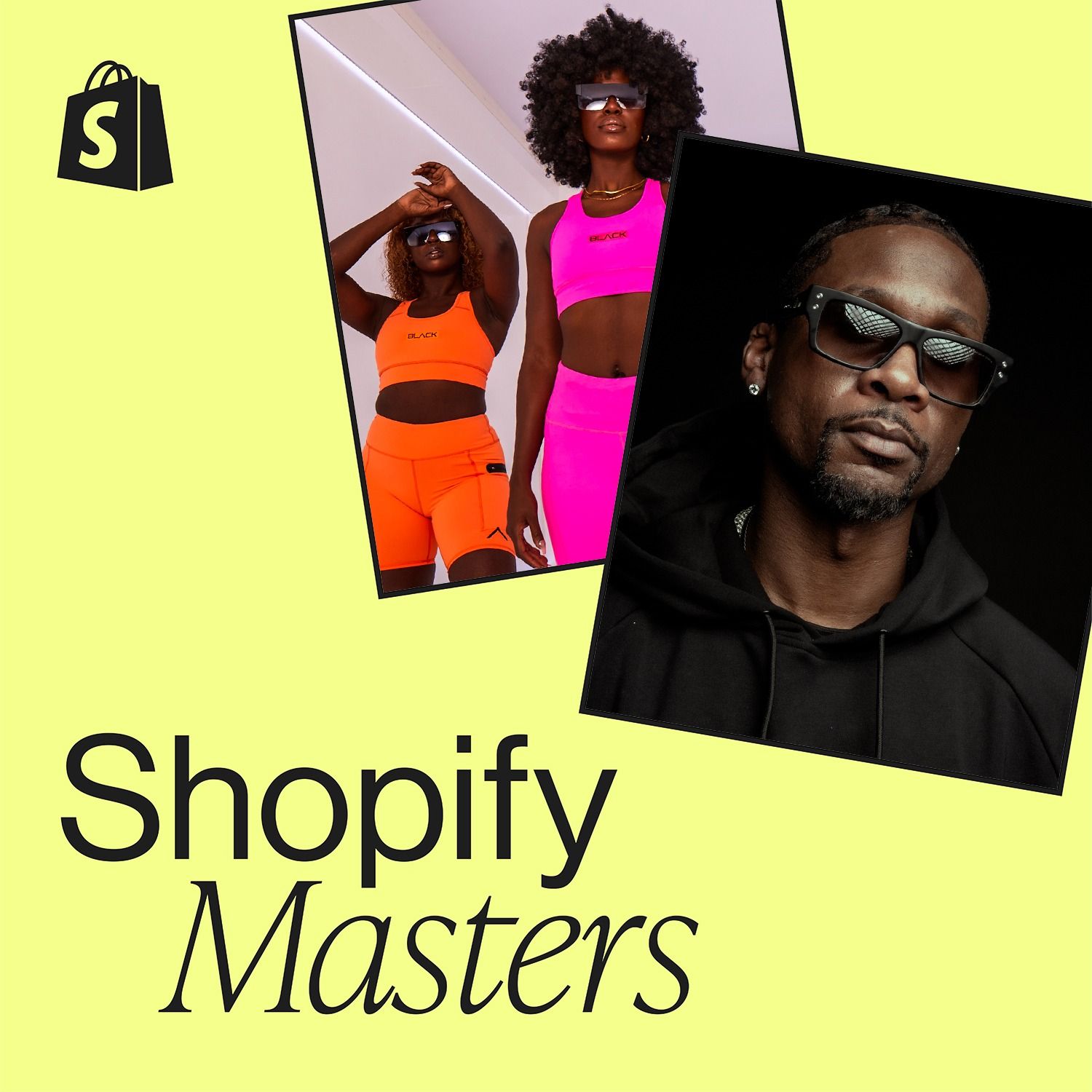
Lanny Smith was initially uncomfortable being the public face of Actively Black. He found, however, that sharing his personal story and motivations created a deeper customer connection than any marketing campaign could, making his authentic narrative the brand's most powerful growth tool.
Instead of starting with a sales deck or homepage design, write the core company story in a simple Google Doc or script. This forces leadership to align on the narrative itself, separate from the distractions of format, ensuring consistency across all future assets.

Instead of waiting for features to build a story, develop the compelling narrative the market needs to hear first. This story then guides the launch strategy and influences the roadmap, with product functionality serving as supporting proof points, not the centerpiece.

Instead of a feature-focused presentation, close deals by first articulating the customer's problem, then sharing a relatable story of solving it for a similar company, and only then presenting the proposal. This sequence builds trust and makes the solution self-evident.

Early outreach often fails by pitching an unproven value proposition. Instead, founders should use "Founder Magic"—leveraging their unique background, story, or mission to make themselves so interesting that prospects agree to a meeting out of sheer curiosity. The outreach should be product-agnostic and focus on being compelling as a person.

To make a business narrative compelling, founders should lead with a surprising, personal detail. Jeffrey Katzenberg uses his unexpected presence at Burning Man as a hook to tell an investment story, proving that a personal connection captures an audience before the business case does.
Startups can't compete with established leaders on credibility, but they have a unique advantage: access. Position your offer not as being "better," but as providing direct contact with the founder, contrasting it with the impersonal, multi-layered support of a large corporation.

Stories are more than just engaging content; they are the most powerful form of proof. A story acts as a 'dramatic demonstration' of your point, showing rather than telling. Since customers buy based on proof, not promises, storytelling is a non-confrontational way to build credibility and drive sales.
