Get your free personalized podcast brief
We scan new podcasts and send you the top 5 insights daily.
The conflict highlights a critical economic vulnerability in US defense strategy. The US is forced to use multi-million dollar missiles to counter Iranian drones that cost only $20,000. This massive cost imbalance demonstrates the power of asymmetric warfare and a significant strategic inefficiency for the US military.

Related Insights
The conflict in Ukraine exposed the vulnerability of expensive, "exquisite" military platforms (like tanks) to inexpensive technologies (like drones). This has shifted defense priorities toward cheap, mass-producible, "attritable" systems. This fundamental change in product and economics creates a massive opportunity for startups to innovate outside the traditional defense prime model.

Low-cost, mass-produced drones create strategic advantage by forcing a disproportionately expensive defensive response ($4M missiles for $20K drones). This 'weaponized financial asymmetry' can extend conflicts by draining an opponent's budget, even if the drones are successfully intercepted.

The US faces a severe economic disadvantage in the Middle East conflict. Iran uses $30,000 drones that can disable $160 million tankers, while US countermeasures involve $4 million Patriot missiles. This cost imbalance allows Iran to inflict massive economic damage cheaply, posing a significant strategic threat.

Conceding the U.S. cannot out-manufacture China in a drone-for-drone war, Mock Industries' founder argues for an asymmetric strategy. This involves decentralized, easily deployed systems that make China's large, centralized assets (and our own) obsolete, shifting the battlefield dynamics entirely.

Russia's use of cheap drones creates a significant economic and strategic challenge for NATO. The current defensive approach is financially unsustainable, as seen when Poland used a million-dollar missile on a cheap drone. This asymmetry is forcing Europe to develop new, low-cost interception methods, such as a continent-wide "drone wall".
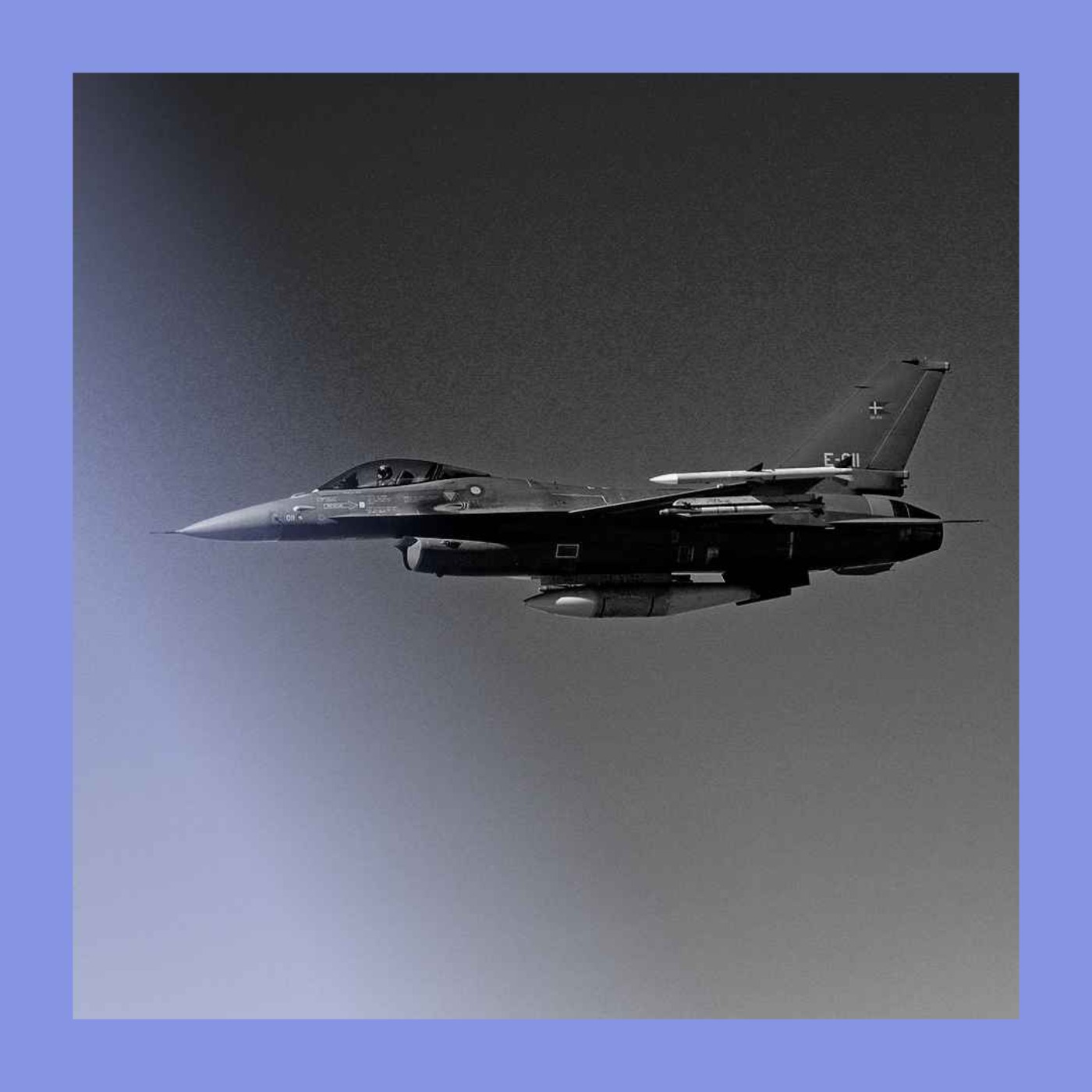
The Pentagon is moving away from decades-long, multi-billion dollar projects like aircraft carriers. The new focus is on mass-produced, attributable, low-cost systems like drones, which allows for faster innovation and deployment from new defense tech startups, not just the old primes.

The US administration rejected a battle-proven Ukrainian solution for downing Iranian drones before the conflict began, only to need their help later. This failure to leverage allied expertise, especially from a nation with direct experience against similar threats, showcases a critical and ironic gap in US military preparedness.
The conflict reveals a critical vulnerability: nations burn through advanced interceptor missiles at a rate that vastly outpaces annual production. Firing two interceptors per incoming missile means that even well-stocked Gulf states could exhaust their pre-war supplies in days, exposing a major bottleneck in the defense supply chain.
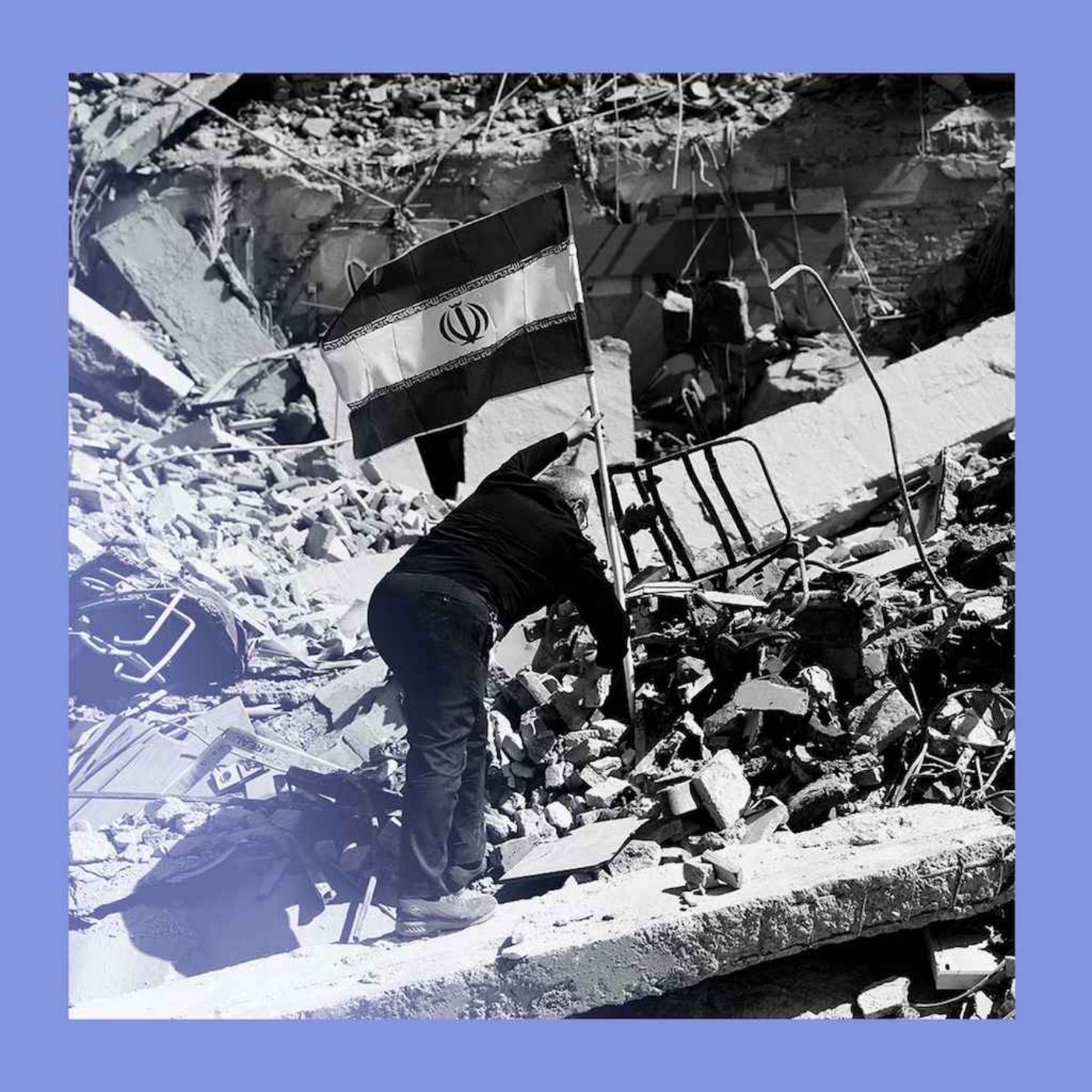
The U.S. is deploying the "Lucas," a precise mass system ironically derived from Iran's own Shahid 136 drone. This demonstrates a rapid cycle of technological adaptation and counter-adaptation in modern warfare, effectively turning an adversary's innovation against them.

The primary threat to securing oil tankers is no longer just mines or fixed missile sites. It is the asymmetric threat of cheap, long-range drones that can be launched from the back of a truck, making them incredibly difficult and costly to defend against with traditional military systems.