Get your free personalized podcast brief
We scan new podcasts and send you the top 5 insights daily.
Identifying market shifts isn't just about intuition. You must fully immerse yourself in the new platform or technology by actively using and creating with it. True understanding and foresight only come from being a practitioner, not a theorist who simply observes from the sidelines.

Related Insights
To differentiate hype from reality, seed investors should practice "vibe coding": daily, hands-on experimentation with new developer tools. This provides an intuitive understanding of current technological capabilities, leading to better investment decisions and inoculating them against unrealistic expectations.

To identify truly significant trends, look for three signals: 1) a deep and broad 'possibility space' with many potential intersections; 2) a high rate of discovery and accelerating momentum; and 3) the creation of new language because existing words are insufficient to describe what's happening.
![Kevin Kelly - Be Generous and Unique - [Invest Like the Best, CLASSICS] thumbnail](https://megaphone.imgix.net/podcasts/9e957b1c-b60e-11f0-8fae-c3720ebd149d/image/fe443cb4b0d58f10dbccb1cf43a6abe2.jpg?ixlib=rails-4.3.1&max-w=3000&max-h=3000&fit=crop&auto=format,compress)
Average performers avoid learning new technologies by claiming their customers don't use them. High achievers operate with the discipline of proactive learning, assuming that mastering new tools is essential for future success, regardless of immediate application. Their mindset is, "I don't know this and I need to, therefore I'm going to learn it."

Simply buying an AI tool is insufficient for understanding its potential or deriving value. Leaders feeling behind in AI must actively participate in the deployment process—training the model, handling errors, and iterating daily. Passive ownership and delegation yield zero learning.

Understanding current trends is crucial for any brand. This isn't passive knowledge; it requires dedicated daily research, using tools like ChatGPT to systematically analyze what's happening across various cultures. This active intelligence gathering is a core business function.
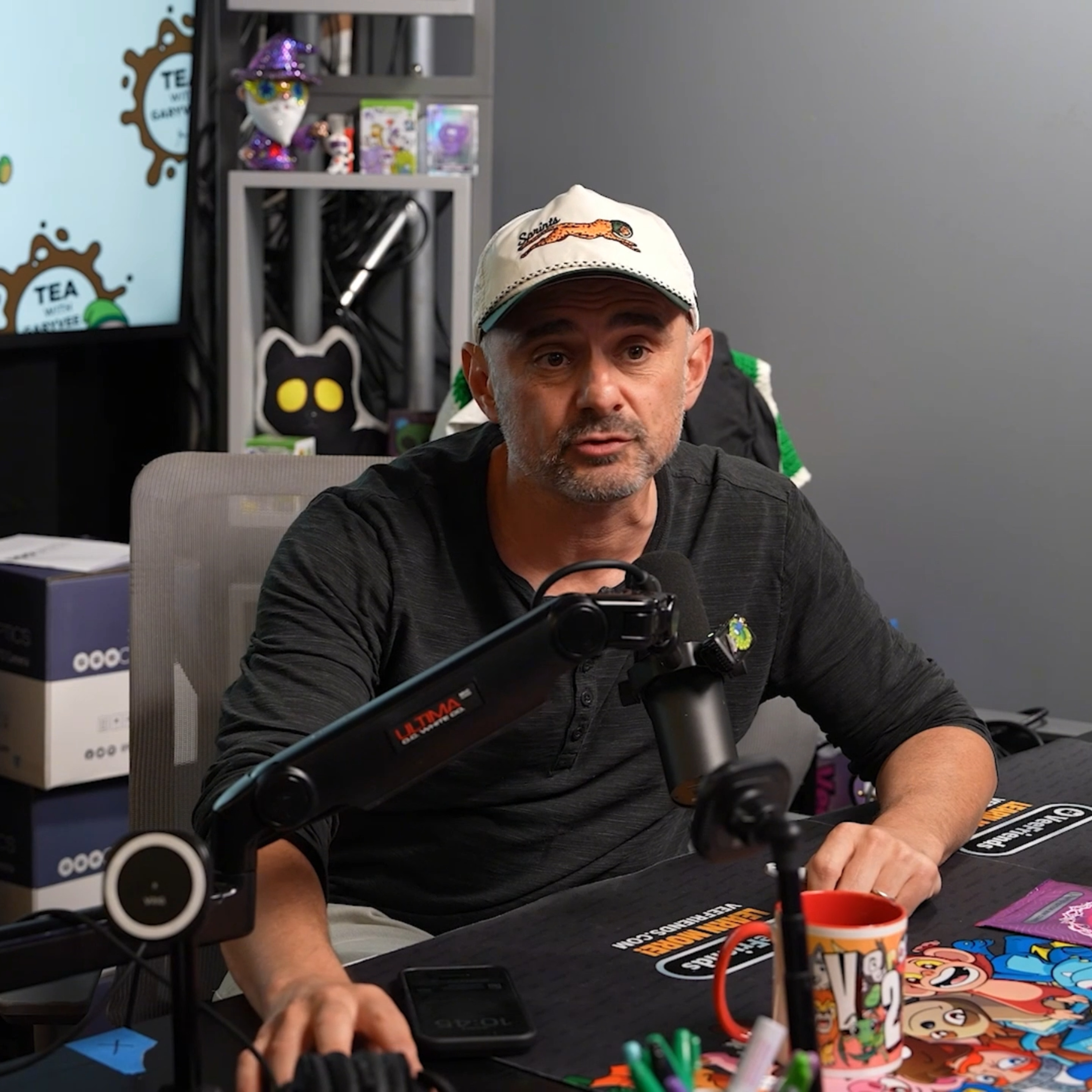
Relying on second-hand information like surveys is not enough to stay innovative. Cvent's Head of Events realized that to bring the latest trends to her own events, she had to stop just producing and start actively attending others'. This first-hand experience is critical for genuine innovation and escaping a creative echo chamber.

To develop your "people sense," actively predict the outcomes of A/B tests and new product launches before they happen. Afterward, critically analyze why your prediction was right or wrong. This constant feedback loop on your own judgment is a tangible way to develop a strong intuition for user behavior and product-market fit.

The vague advice to 'live in the future' becomes practical when you use emerging tech (like AI agents in 2022) to solve your own business problems. By being an early adopter, you encounter the novel challenges that the mass market will face in 1-2 years, revealing the next wave of demand before it's obvious.

To stay current in a fast-moving field like AI, passive learning through articles and videos is insufficient. The key is active engagement: experimenting with new platforms, trying new features as they launch, and even building small applications to truly understand their capabilities and limitations.
To lead in the age of AI, it's not enough to use new tools; you must intentionally disrupt your own effective habits. Force yourself to build, write, and communicate in new ways to truly understand the paradigm shift, even when your old methods still work well.
