Get your free personalized podcast brief
We scan new podcasts and send you the top 5 insights daily.
Silicon Valley's origins are deeply rooted in defense, with companies like Lockheed being major employers. The current aversion to military work is a modern phenomenon that emerged after the Cold War's "peace dividend," a trend now reversing due to recent geopolitical conflicts.

Related Insights
The dynamic between tech and government is not a simple decline but a cycle of alignment (post-WWII), hostility (2000s-2010s), and a recent return to collaboration. This "back to the future" trend is driven by geopolitical needs and cultural shifts, suggesting the current alignment is a return to a historical norm.

Leading AI companies, facing high operational costs and a lack of profitability, are turning to lucrative government and military contracts. This provides a stable revenue stream and de-risks their portfolios with government subsidies, despite previous ethical stances against military use.
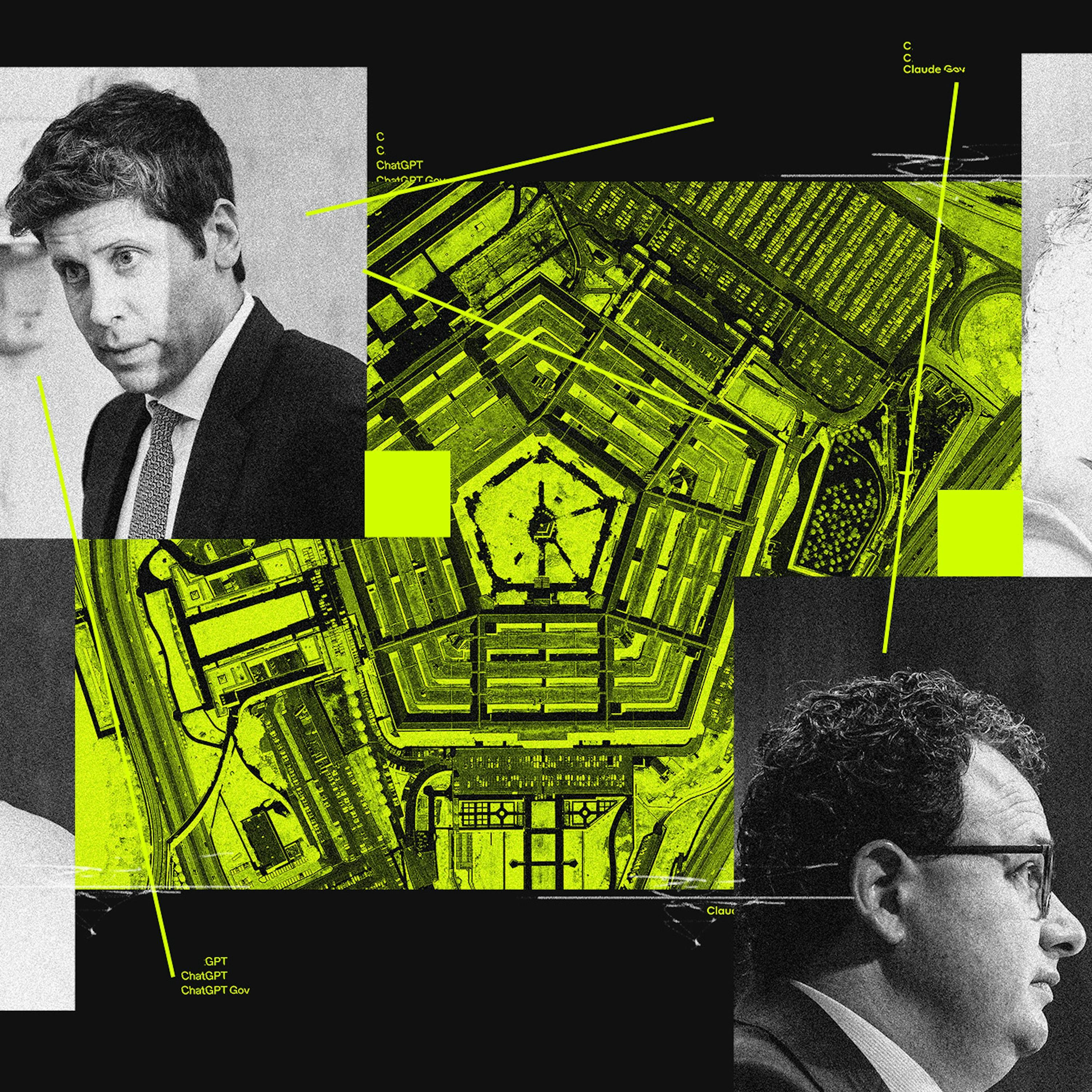
A DoD contract doesn't add commercial cachet for a leading AI company like Anthropic. The primary motivation is the opportunity to apply and refine their technology against the world's most complex problems, which drives innovation that can then be used in other sectors.

Lucrative civilian markets, not government deals, drive frontier tech. By making the defense side of a business a major political and legal liability, the Pentagon risks pushing top companies to completely shun government work, reversing a decades-long, successful dynamic for dual-use technology.
Investing in a hypersonic weapons company, once a career-ending move in Silicon Valley, is now seen as a crucial act of deterrence. This rapid cultural reversal, catalyzed by geopolitical events, signifies a profound sea change in the tech industry's values and its relationship with national security.

Contrary to the last 20 years of tension, Silicon Valley's history is deeply intertwined with the U.S. national mission. From the 1950s to the 1990s, a tight alliance with defense and government agencies was standard, making the recent hostility a historical aberration that is now correcting itself.

Anthropic’s resistance to giving the Pentagon unrestricted use of its AI is a talent retention strategy. AI researchers are a scarce, highly valued resource, and many in Silicon Valley are "peaceniks." This forces leaders to balance lucrative military contracts with the risk of losing top employees who object to their work's applications.

Working with the military is no longer the hot-button issue it was 6-8 years ago in the tech community. The public and internal debate has moved on to the societal impacts of AI, such as election manipulation, job displacement, and content moderation, making defense tech a relatively less controversial field to work in today.

To attract Silicon Valley talent, the DoD is framing two-year government tours as a new form of national service for technologists. The goal is to make it a "badge of honor" that provides valuable experience and credibility upon returning to the private sector.

The pendulum swing from software back to hardware and defense is mirrored by a change in the dominant engineer archetype. The era of the "Facebook generation" coder is giving way to a resurgence of the "Palmer Luckey" type—engineers who work with physical systems and build with their hands, echoing Silicon Valley's original pioneers.