Get your free personalized podcast brief
We scan new podcasts and send you the top 5 insights daily.
Working with the military is no longer the hot-button issue it was 6-8 years ago in the tech community. The public and internal debate has moved on to the societal impacts of AI, such as election manipulation, job displacement, and content moderation, making defense tech a relatively less controversial field to work in today.

Related Insights
Beyond displacing current workers, AI will lead to hiring "abatement," where companies proactively eliminate roles from their hiring plans altogether. This is a subtle but profound workforce shift, as entire job categories may vanish from the market before employees can be retrained.

Leading AI companies, facing high operational costs and a lack of profitability, are turning to lucrative government and military contracts. This provides a stable revenue stream and de-risks their portfolios with government subsidies, despite previous ethical stances against military use.
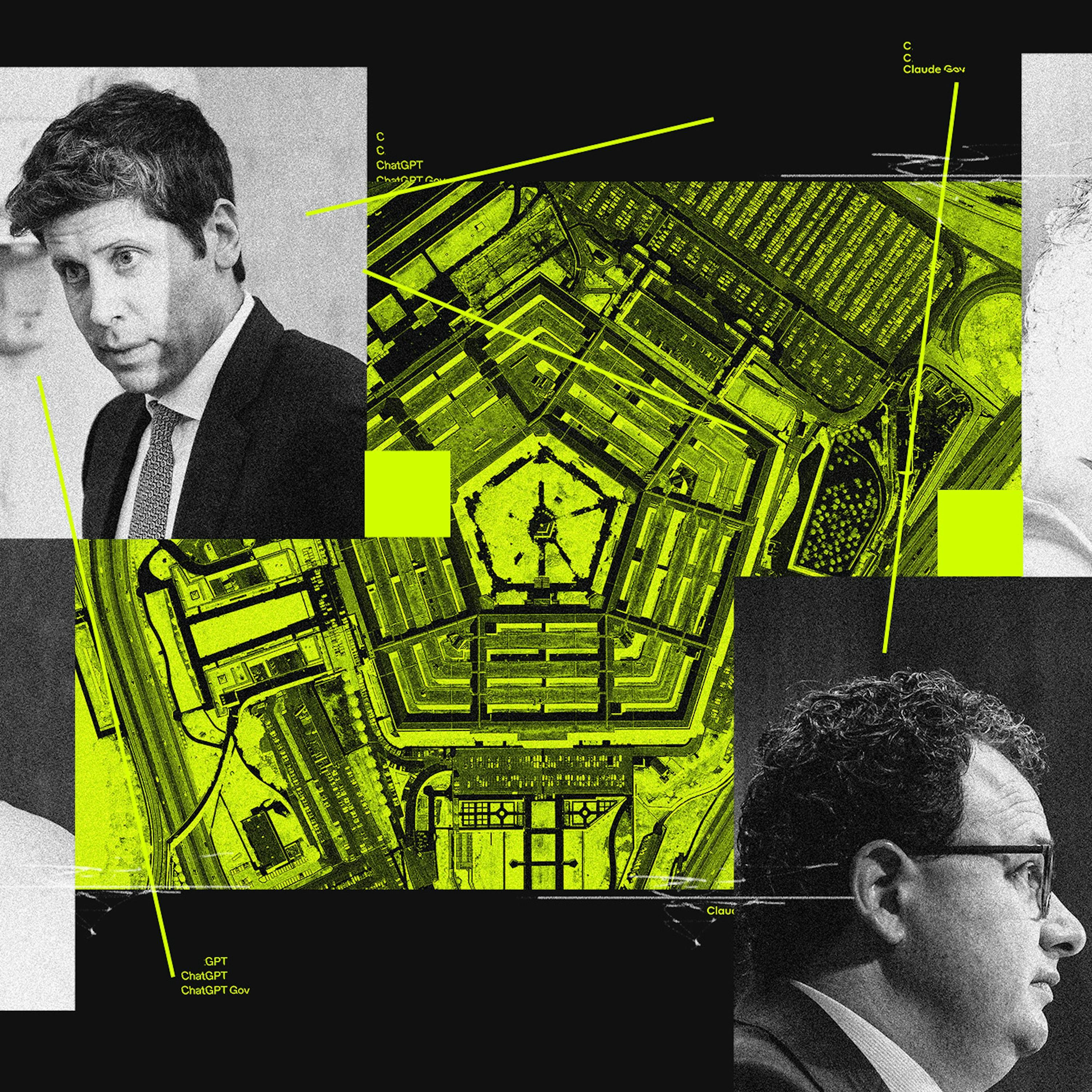
Unlike previous technologies like the internet or smartphones, which enjoyed years of positive perception before scrutiny, the AI industry immediately faced a PR crisis of its own making. Leaders' early and persistent "AI will kill everyone" narratives, often to attract capital, have framed the public conversation around fear from day one.

The AI systems used for mass censorship were not created for social media. They began as military and intelligence projects (DARPA, CIA, NSA) to track terrorists and foreign threats, then were pivoted to target domestic political narratives after the 2016 election.

AI is experiencing a political backlash from day one, unlike social media's long "honeymoon" period. This is largely self-inflicted, as industry leaders like Sam Altman have used apocalyptic, "it might kill everyone" rhetoric as a marketing tool, creating widespread fear before the benefits are fully realized.
Influencers from opposite ends of the political spectrum are finding common ground in their warnings about AI's potential to destroy jobs and creative fields. This unusual consensus suggests AI is becoming a powerful, non-traditional wedge issue that could reshape political alliances and public discourse.

In 2015-2016, major tech companies actively avoided the term "AI," fearing it was tainted from previous "AI winters." It wasn't until around 2017 that branding as an "AI company" became a positive signal, highlighting the incredible speed of the recent AI revolution and shift in public perception.

Public backlash against AI isn't a "horseshoe" phenomenon of political extremes. It's a broad consensus spanning from progressives like Ryan Grimm to establishment conservatives like Tim Miller, indicating a deep, mainstream concern about the technology's direction and lack of democratic control.

Unlike other tech rollouts, the AI industry's public narrative has been dominated by vague warnings of disruption rather than clear, tangible benefits for the average person. This communication failure is a key driver of widespread anxiety and opposition.
The AI safety discourse in China is pragmatic, focusing on immediate economic impacts rather than long-term existential threats. The most palpable fear exists among developers, who directly experience the power of coding assistants and worry about job replacement, a stark contrast to the West's more philosophical concerns.