Get your free personalized podcast brief
We scan new podcasts and send you the top 5 insights daily.
The pendulum swing from software back to hardware and defense is mirrored by a change in the dominant engineer archetype. The era of the "Facebook generation" coder is giving way to a resurgence of the "Palmer Luckey" type—engineers who work with physical systems and build with their hands, echoing Silicon Valley's original pioneers.

Related Insights
Boom's founder describes Mojave's aerospace community as "hacking on airplanes" like software. This mindset involves resourceful, rapid, and iterative prototyping, challenging the slow, traditional processes in capital-intensive industries and enabling faster progress with less capital.

Building the next generation of industrial technology requires a specific cultural and talent synthesis. Success demands combining Silicon Valley’s software-first culture and talent with the deep, domain-specific knowledge of industrial veterans who understand real-world constraints and past failures.
As AI handles more code generation, the core identity of software engineers as hands-on "builders" is being challenged. This commoditization of a key skill forces a transition to roles like "conductor" or "idea guy," an identity many have historically disdained, creating a significant professional and psychological crisis.

Software companies struggle to build their own chips because their agile, sprint-based culture clashes with hardware development's demands. Chip design requires a "measure twice, cut once" mentality, as mistakes cost months and millions. This cultural mismatch is a primary reason for failure, even with immense resources.

Investing in a hypersonic weapons company, once a career-ending move in Silicon Valley, is now seen as a crucial act of deterrence. This rapid cultural reversal, catalyzed by geopolitical events, signifies a profound sea change in the tech industry's values and its relationship with national security.
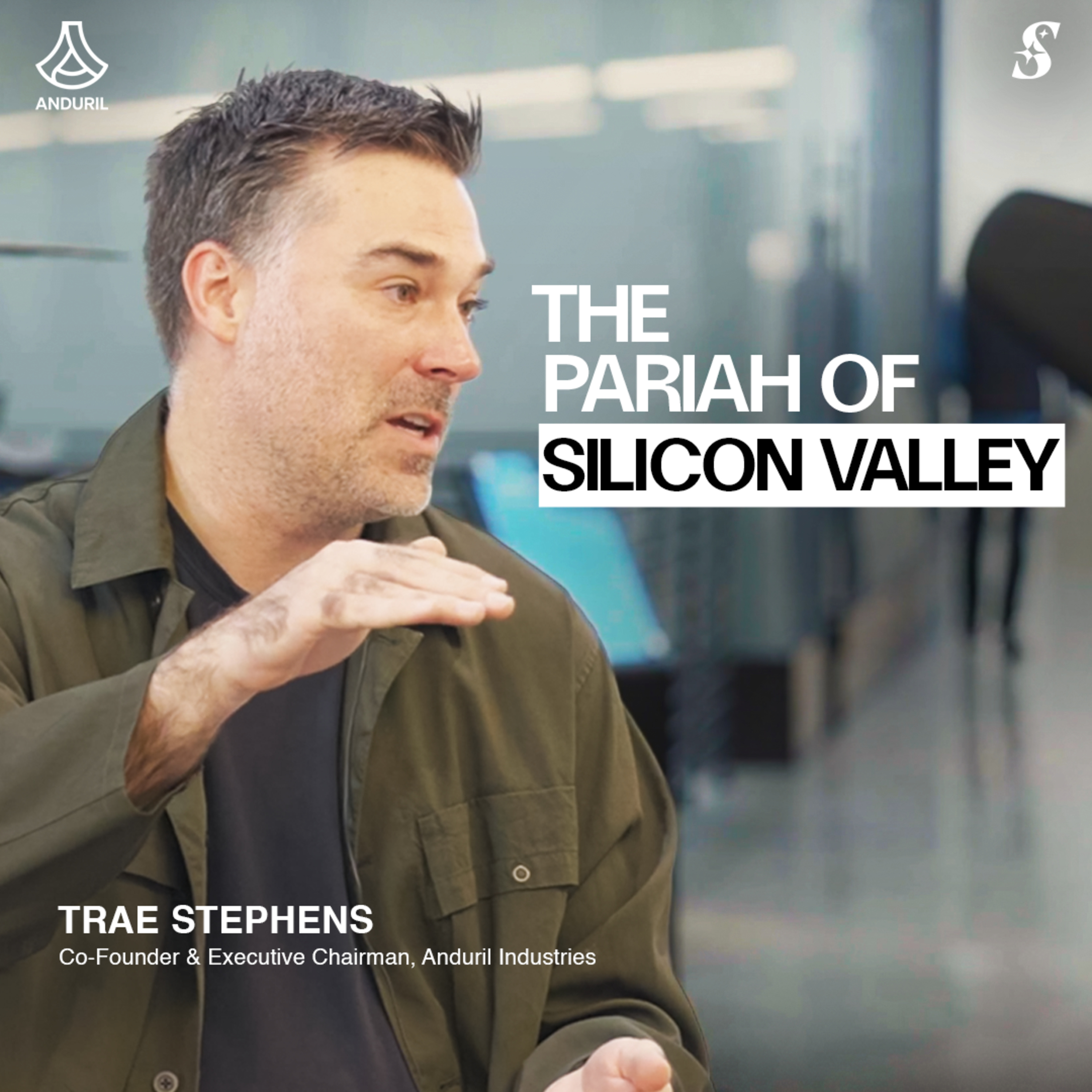
Despite building large physical systems like drones, Anduril's co-founder states their core competency and original vision is software. They are a "software-defined and hardware-enabled" company, which fundamentally differentiates their approach from traditional defense contractors who are the opposite.
The venture capital mantra that "hardware is hard" is outdated for the American Dynamism category. Startups in this space mitigate risk by integrating off-the-shelf commodity hardware with sophisticated software. This avoids the high capital costs and unpredictable sales cycles of consumer electronics.
Beyond SpaceX's products, its most significant impact is creating a diaspora of engineers skilled in Musk's "build for production" methodology. These alumni are now founding new defense companies, applying lessons on speed and cost that are absent from traditional engineering education and corporate environments.
Grassroots events like ClawCon are re-establishing a clear divide between technical and non-technical people in the tech ecosystem. This signals a cultural shift back to the "old school internet" ethos of building and sharing tangible projects, moving focus away from purely online, non-technical discourse.

The cultural shift in Silicon Valley away from national interest work was shaped by cultural touchstones. The film "The Social Network" symbolized a generation of founders inspired by dorm-room consumer apps, a stark contrast to the previous "Bob Noyce" generation focused on building the physical world and supporting national missions.
