Get your free personalized podcast brief
We scan new podcasts and send you the top 5 insights daily.
A DoD contract doesn't add commercial cachet for a leading AI company like Anthropic. The primary motivation is the opportunity to apply and refine their technology against the world's most complex problems, which drives innovation that can then be used in other sectors.

Related Insights
Anthropic's refusal to allow the Pentagon to use its AI for autonomous weapons is a strategic branding move. This public stance positions Anthropic as the ethical "good guy" in the AI space, similar to Apple's use of privacy. This creates a powerful differentiator that appeals to risk-averse enterprise customers.

Leading AI companies, facing high operational costs and a lack of profitability, are turning to lucrative government and military contracts. This provides a stable revenue stream and de-risks their portfolios with government subsidies, despite previous ethical stances against military use.
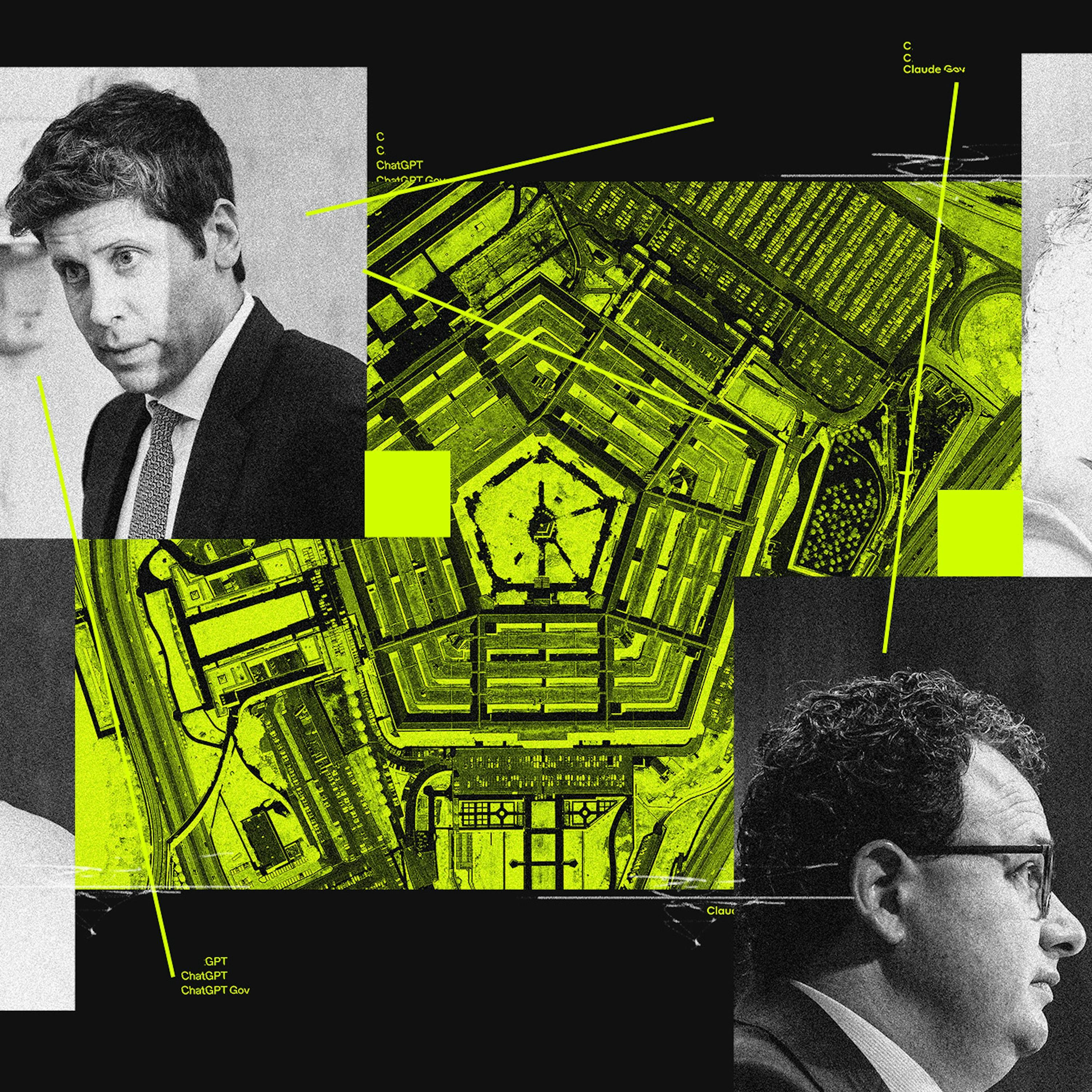
Lucrative civilian markets, not government deals, drive frontier tech. By making the defense side of a business a major political and legal liability, the Pentagon risks pushing top companies to completely shun government work, reversing a decades-long, successful dynamic for dual-use technology.
OpenAI is lobbying the federal government to co-invest in its Stargate initiative, offering dedicated compute for public research. This positions OpenAI not just as a private company but as a key partner for national security and scientific advancement, following the big tech playbook of seeking large, foundational government contracts.

Unlike early defense startups aiming to become the next prime contractor, a new wave of companies is focused on rebuilding the industrial base. They act as critical suppliers of innovation, AI, and components to legacy primes like Lockheed Martin, viewing them as customers and partners rather than just competitors.

Unlike contractors who oversell a '20 percent solution,' Anthropic's CEO is transparently stating their AI isn't reliable for lethal uses. This 'truth in advertising' is culturally bizarre in a defense sector accustomed to hype, driving the conflict with a Pentagon that wants partners to project capability.
Tech companies often use government and military contracts as a proving ground to refine complex technologies. This gives military personnel early access to tools, like Palantir a decade ago, long before they become mainstream in the corporate world.

The Department of War's top AI priority is "applied AI." It consciously avoids building its own foundation models, recognizing it cannot compete with private sector investment. Instead, its strategy is to adapt commercial AI for specific defense use cases.

Anthropic's commitment to AI safety, exemplified by its Societal Impacts team, isn't just about ethics. It's a calculated business move to attract high-value enterprise, government, and academic clients who prioritize responsibility and predictability over potentially reckless technology.

Despite an ongoing feud over AI safeguards, a defense official revealed the Pentagon feels compelled to continue working with Anthropic because they "need them now." This indicates a perceived immediate requirement for frontier models like Claude, handing significant negotiating power to the AI company.
