Get your free personalized podcast brief
We scan new podcasts and send you the top 5 insights daily.
Unlike contractors who oversell a '20 percent solution,' Anthropic's CEO is transparently stating their AI isn't reliable for lethal uses. This 'truth in advertising' is culturally bizarre in a defense sector accustomed to hype, driving the conflict with a Pentagon that wants partners to project capability.

Related Insights
By threatening a willing partner, the DoD risks sending a message to Silicon Valley that any collaboration will lead to a loss of control, undermining efforts to recruit tech talent for national security.

Anthropic's refusal to allow the Pentagon to use its AI for autonomous weapons is a strategic branding move. This public stance positions Anthropic as the ethical "good guy" in the AI space, similar to Apple's use of privacy. This creates a powerful differentiator that appeals to risk-averse enterprise customers.

While lethal AI captures headlines, the more sensitive and unusual conflict driver is Anthropic's refusal to aid domestic surveillance. This specific objection raises alarms even among DC insiders on Capitol Hill who are otherwise comfortable with aggressive defense tech applications, highlighting its political sensitivity.
If one AI company, like Anthropic, ethically refuses to remove safety guardrails for a government contract, a competitor will likely accept. This dynamic makes it nearly inevitable that advanced AI will be used for military purposes, regardless of any single company's moral stance.

By refusing to allow its models for lethal operations, Anthropic is challenging the U.S. government's authority. This dispute will set a precedent for whether AI companies act as neutral infrastructure or as political entities that can restrict a nation's military use of their technology.

Anthropic is publicly warning that frontier AI models are becoming "real and mysterious creatures" with signs of "situational awareness." This high-stakes position, which calls for caution and regulation, has drawn accusations of "regulatory capture" from the White House AI czar, putting Anthropic in a precarious political position.

Anthropic faces a critical dilemma. Its reputation for safety attracts lucrative enterprise clients, but this very stance risks being labeled "woke" by the Trump administration, which has banned such AI in government contracts. This forces the company to walk a fine line between its brand identity and political reality.

By publicly clashing with the Pentagon over military use and emphasizing safety, Anthropic is positioning itself as the "clean, well-lit corner" of the AI world. This builds trust with large enterprise clients who prioritize risk management and predictability, creating a competitive advantage over rivals like OpenAI.
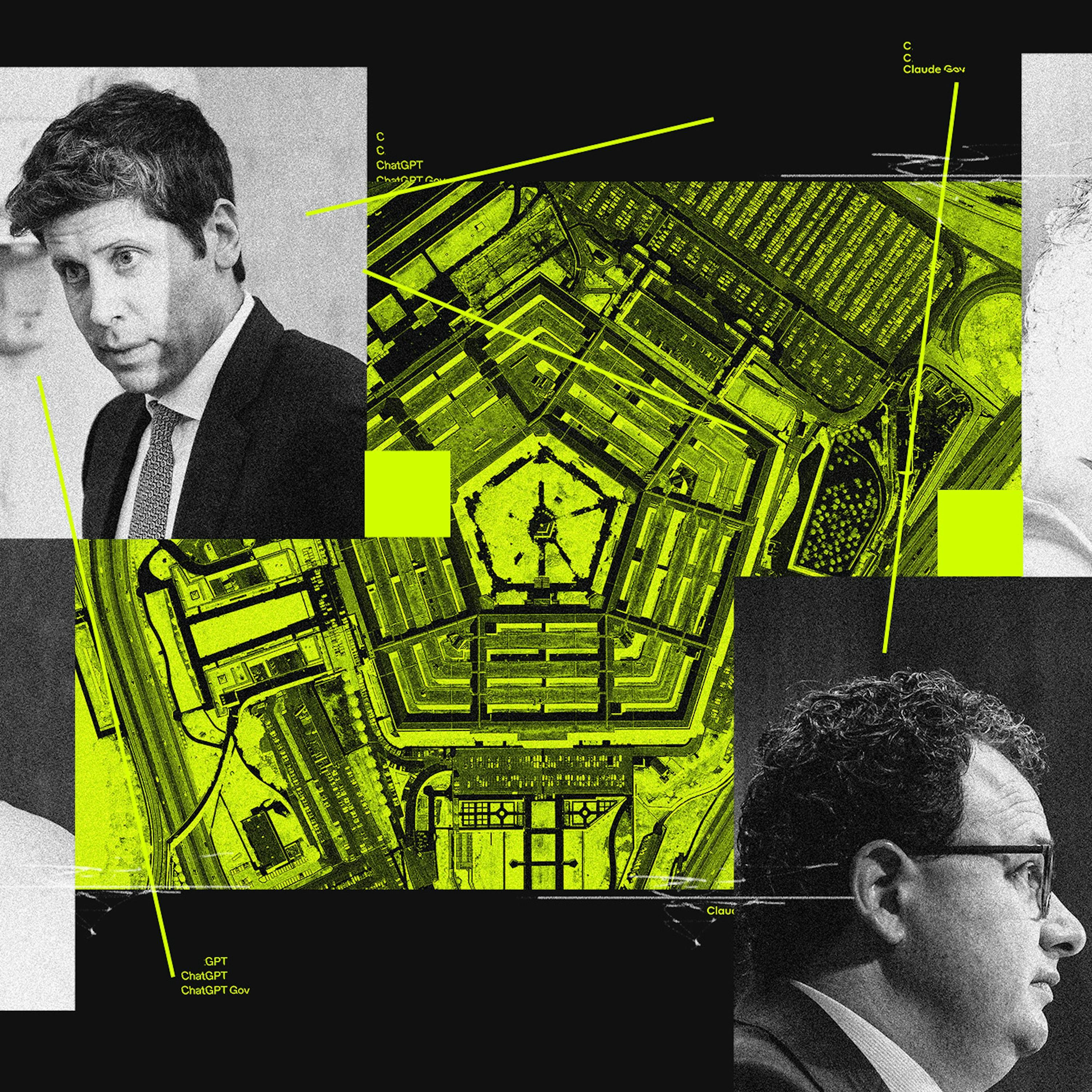
The Department of War is threatening to blacklist Anthropic for prohibiting military use of its AI, a severe penalty typically reserved for foreign adversaries like Huawei. This conflict represents a proxy war over who dictates the terms of AI use: the technology creators or the government.
Contrary to popular belief, military procurement involves some of the most rigorous safety and reliability testing. Current generative AI models, with their inherent high error rates, fall far short of these established thresholds that have long been required for defense systems.