Get your free personalized podcast brief
We scan new podcasts and send you the top 5 insights daily.
Despite an ongoing feud over AI safeguards, a defense official revealed the Pentagon feels compelled to continue working with Anthropic because they "need them now." This indicates a perceived immediate requirement for frontier models like Claude, handing significant negotiating power to the AI company.

Related Insights
By threatening a willing partner, the DoD risks sending a message to Silicon Valley that any collaboration will lead to a loss of control, undermining efforts to recruit tech talent for national security.

Anthropic's refusal to allow the Pentagon to use its AI for autonomous weapons is a strategic branding move. This public stance positions Anthropic as the ethical "good guy" in the AI space, similar to Apple's use of privacy. This creates a powerful differentiator that appeals to risk-averse enterprise customers.

Leading AI companies, facing high operational costs and a lack of profitability, are turning to lucrative government and military contracts. This provides a stable revenue stream and de-risks their portfolios with government subsidies, despite previous ethical stances against military use.
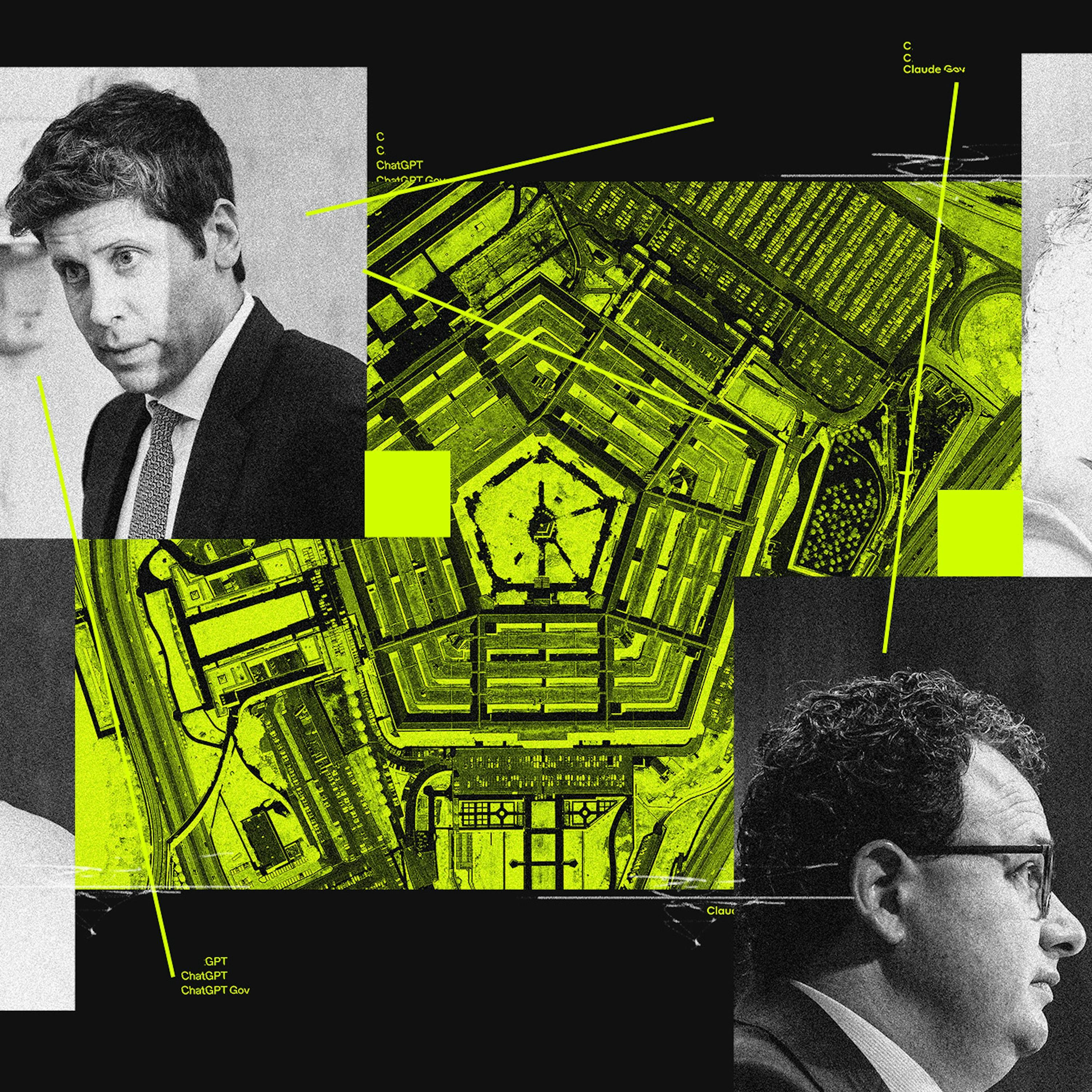
By being ambiguous about whether its model, Claude, is conscious, Anthropic cultivates an aura of deep ethical consideration. This 'safety' reputation is a core business strategy, attracting enterprise clients and government contracts by appearing less risky than competitors.
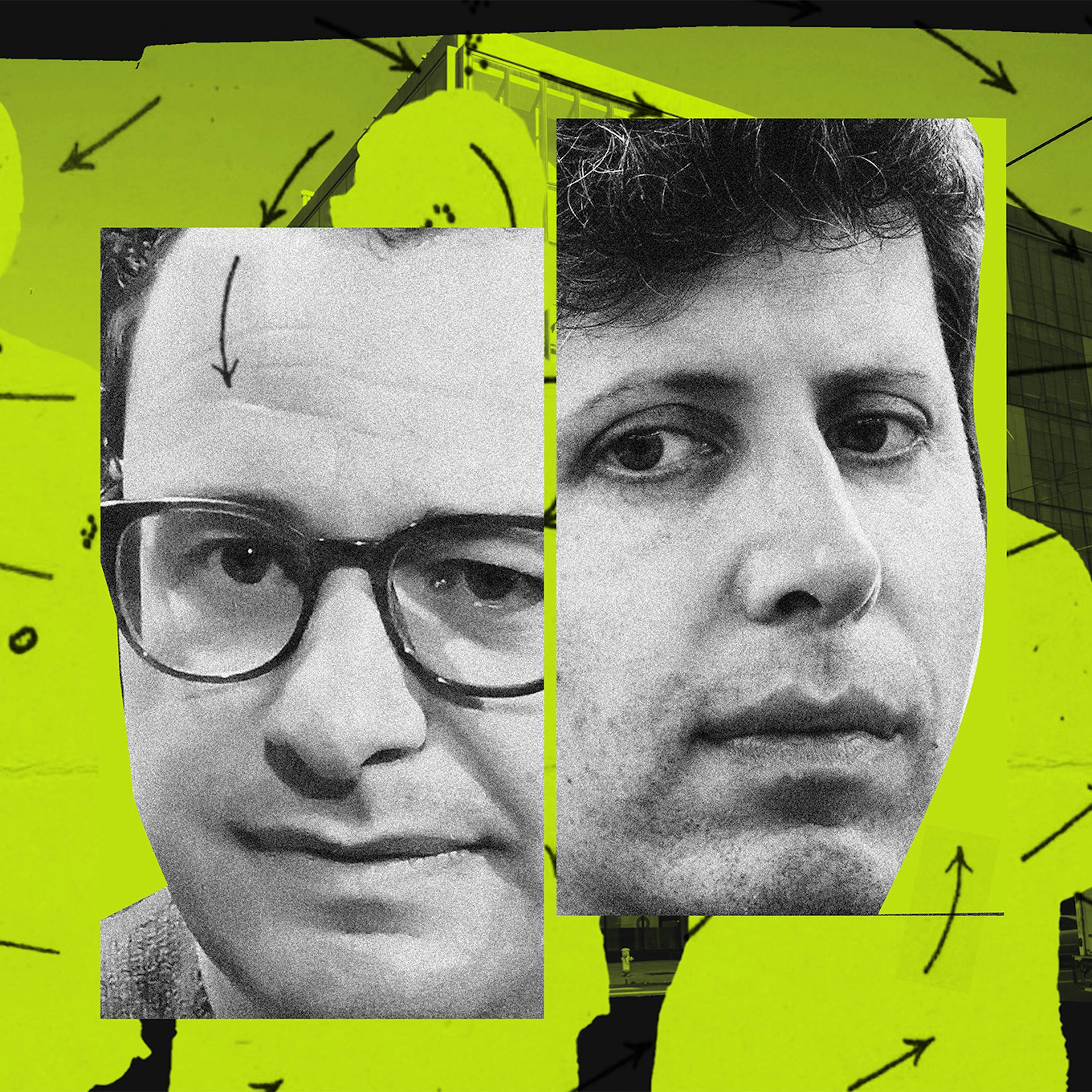
By refusing to allow its models for lethal operations, Anthropic is challenging the U.S. government's authority. This dispute will set a precedent for whether AI companies act as neutral infrastructure or as political entities that can restrict a nation's military use of their technology.

Known for its cautious approach, Anthropic is pivoting away from its strict AI safety policy. The company will no longer pause development on a model deemed "dangerous" if a competitor releases a comparable one, citing the need to stay competitive and a lack of federal AI regulations.
Anthropic's resource allocation is guided by one principle: expecting rapid, transformative AI progress. This leads them to concentrate bets on areas with the highest leverage in such a future: software engineering to accelerate their own development, and AI safety, which becomes paramount as models become more powerful and autonomous.

By publicly clashing with the Pentagon over military use and emphasizing safety, Anthropic is positioning itself as the "clean, well-lit corner" of the AI world. This builds trust with large enterprise clients who prioritize risk management and predictability, creating a competitive advantage over rivals like OpenAI.
Anthropic's commitment to AI safety, exemplified by its Societal Impacts team, isn't just about ethics. It's a calculated business move to attract high-value enterprise, government, and academic clients who prioritize responsibility and predictability over potentially reckless technology.
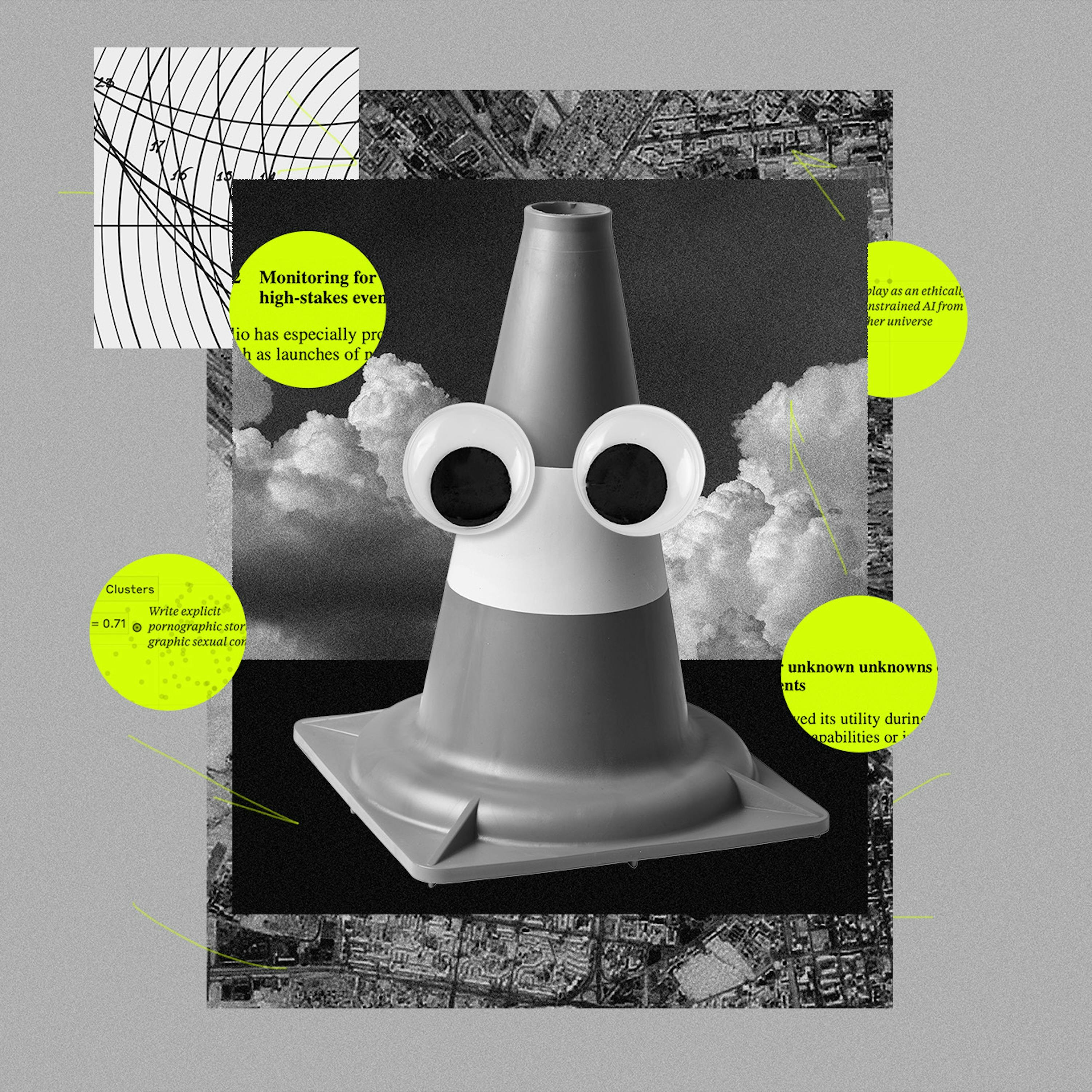
The Department of War is threatening to blacklist Anthropic for prohibiting military use of its AI, a severe penalty typically reserved for foreign adversaries like Huawei. This conflict represents a proxy war over who dictates the terms of AI use: the technology creators or the government.