Get your free personalized podcast brief
We scan new podcasts and send you the top 5 insights daily.
An expert predicts that the end of the current war will result in a fundamentally different Middle East: more unstable, fragmented into smaller states, and with its geopolitical and military direction primarily shaped by decisions made in Jerusalem, with U.S. security support.

Related Insights
The Israeli withdrawal from Gaza, without Hamas being disarmed or an international force in place, creates a space for violent clashes. Hamas, armed gangs, and powerful clans are already competing for control, illustrating a critical risk in phased peace plans where security is not transferred seamlessly.

The October 7th attacks, intended to advance the Palestinian cause, were a catastrophic strategic error. They eliminated previous restraints on Israel, allowing it to unleash its full military capacity as the region's superpower, ultimately leading to the decimation of Hamas, Hezbollah, and their primary sponsor, Iran.
While a Trump administration might be tempted to cut a deal and withdraw from conflict with Iran, Israel's post-October 7th security doctrine has changed. Netanyahu's government will likely push hard for complete regime change, complicating any US efforts to de-escalate for political convenience.

While currently aligned, the long-term interests of Israel and the US in a war with Iran could split. Israel seeks total elimination of Iran's missile threat, implying a prolonged conflict. The US, however, may have less tolerance for a drawn-out war due to concerns about its impact on global energy prices and the economy.
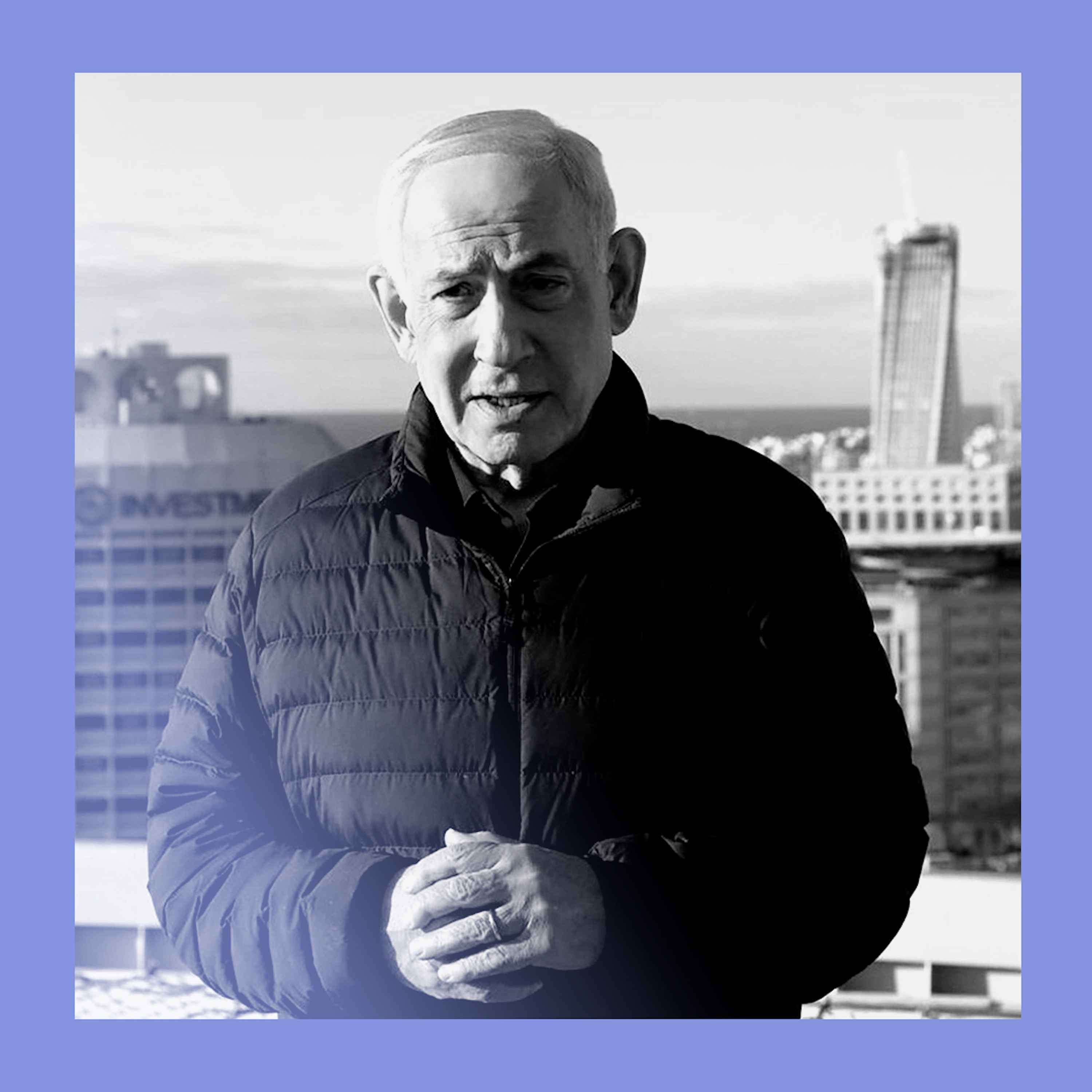
An unintended consequence of the conflict could be the ethnic fragmentation of Iran. With only 60% of the population being Persian, the external pressure and internal chaos could cause the country to disintegrate into ethnic conflict and civil war, creating a far greater humanitarian and geopolitical crisis.
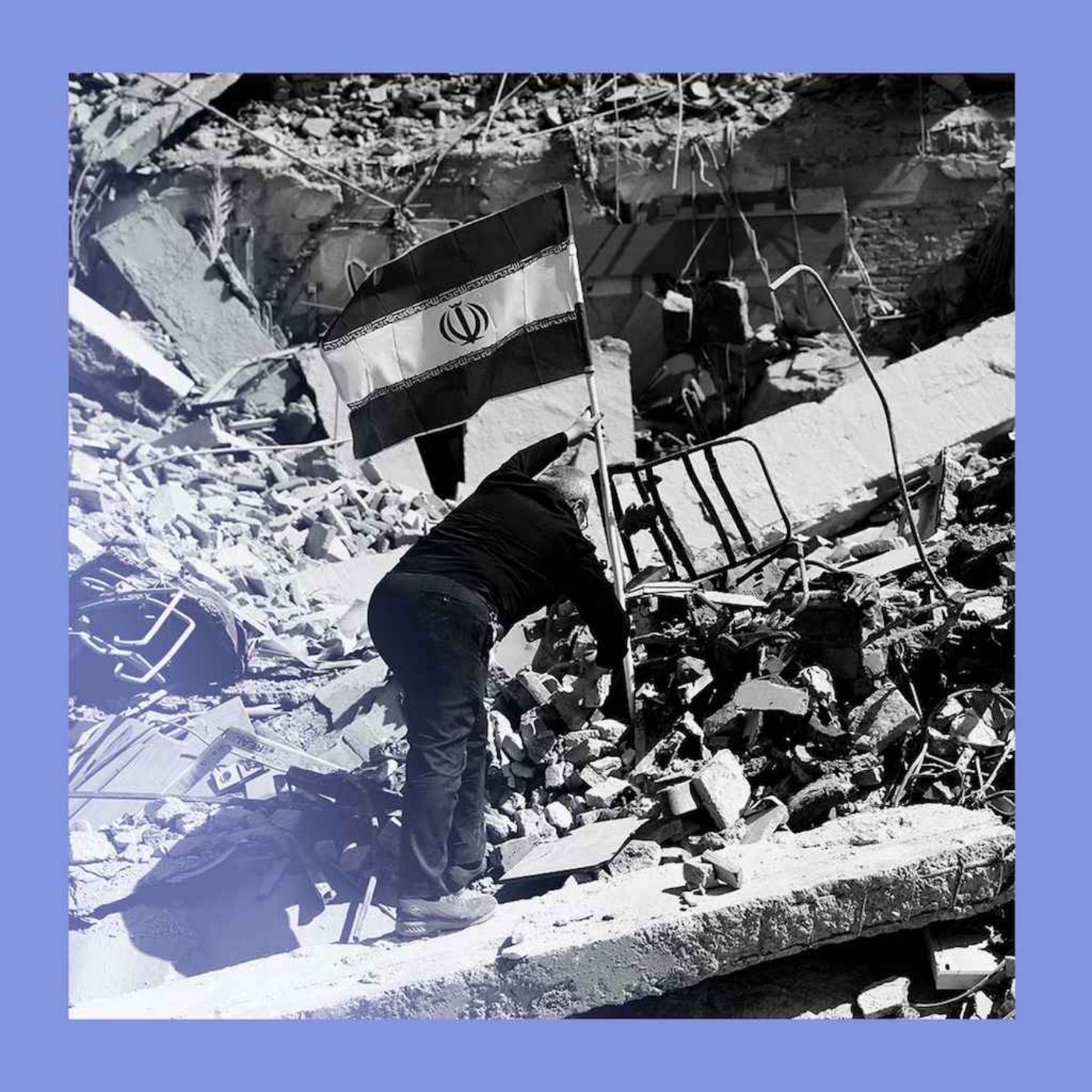
The US decision to sell its most advanced fighter jets to Saudi Arabia marks a significant shift in regional military dynamics. This move worries Israel, which relies on its technological military edge to maintain its status as a regional power, signaling a potential realignment of power in the Middle East.
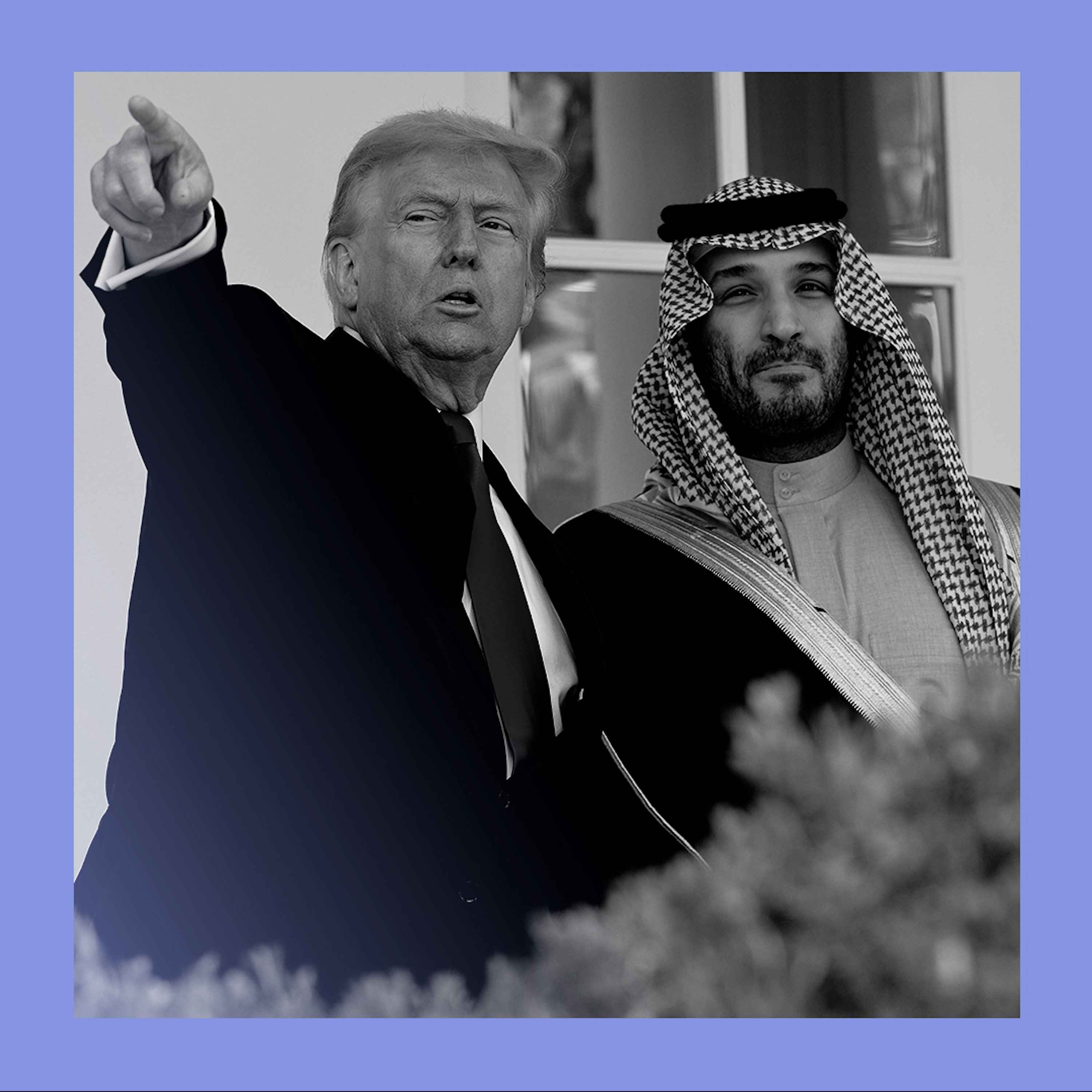
The primary concern for Gulf nations is the "day after" a US-led conflict. They fear a scenario where the US declares victory and departs, leaving them to deal with a weakened but still dangerous and vengeful Iranian regime, similar to Saddam Hussein's Iraq after 1991.

Despite a united military front against Iran, the US and Israel have divergent long-term goals. The Trump administration aims for a "Venezuela outcome"—a controlled regime ensuring oil flow—while Netanyahu's government is focused on total regime change, creating potential for a future strategic clash.

For Israeli PM Benjamin Netanyahu, an inconclusive end to the war with Iran would be a significant political blow. After claiming a "victory for generations" just eight months prior, another stalemate would undermine his credibility with the Israeli public ahead of an election, making a clear win essential.
Gulf nations do not simply align with Israel against Iran. They perceive Israel's increasing military aggression as a destabilizing force, just as they do Iran's actions. They feel caught between two dangerous and unpredictable actors, with both threatening their national interests and economic diversification plans.