Get your free personalized podcast brief
We scan new podcasts and send you the top 5 insights daily.
Dr. Li defines fearlessness as the freedom from constraints that inhibit creativity, courage, and execution. She prioritizes this trait in hiring, encouraging teams to tackle uncertain, contrarian, and difficult challenges. The most creative work happens when solving problems without a clear path, which is where breakthroughs are made.

Related Insights
Drawing from Leonardo da Vinci, Nike's innovation philosophy combines "sfumato" (a mad scientist's willingness to fail) and "arte de science" (logical, scientific thinking). The fusion of these two opposing mindsets creates a "calculated risk"—the essential ingredient for meaningful breakthroughs.

Innovation requires stepping away from the tools and standards everyone else uses, as Nike co-founder Bill Bowerman did with an early movie camera. This path is often lonely, as you may operate on your own before others understand your vision. You must be comfortable with this isolation to create breakthroughs.
The most promising hires are often high-agency individuals constrained by their current environment—'caged animals' who need to be unleashed. Look for candidates who could achieve significantly more if not for their team or organization's limitations. This is a powerful signal of untapped potential and resourcefulness.

Guidara deliberately avoided hiring people with extensive fine-dining experience. Newcomers are less beholden to industry norms and more likely to ask "why," challenging long-held assumptions. This 'intelligent naivety' can be a superpower for innovation, preventing stagnation.

Dr. Li attributes her presence at pivotal moments in AI history (Stanford's SAIL, Google Cloud AI) to being intellectually fearless. This means taking risks, like restarting a tenure clock to join a better ecosystem, and diving into new, unproven areas without over-analyzing potential failures. It's a crucial trait for anyone aiming to make a significant impact.

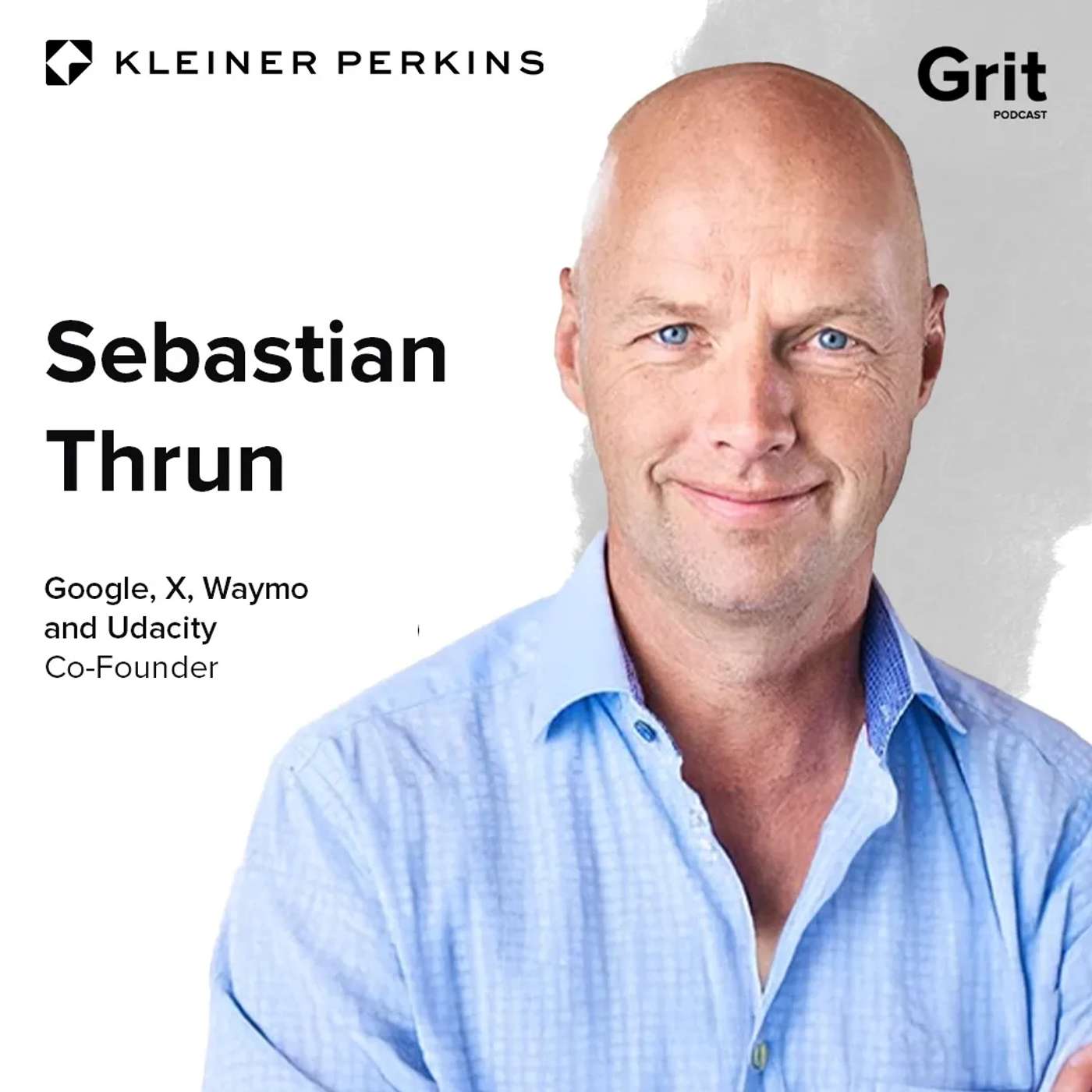
Sebastian Thrun advises innovators to eliminate guilt and fear, estimating 80% of his work is correcting mistakes. Feeling guilty about errors stifles risk-taking and leads to safe, incremental work. Instead, he treats mistakes purely as learning opportunities to be applied in the future.
The common practice of hiring for "culture fit" creates homogenous teams that stifle creativity and produce the same results. To innovate, actively recruit people who challenge the status quo and think differently. A "culture mismatch" introduces the friction necessary for breakthrough ideas.

Rewarding successful outcomes incentivizes employees to choose less risky, less innovative projects they know they can complete. To foster true moonshots, Alphabet's X rewards behaviors like humility and curiosity, trusting that these habits are the leading indicators of long-term breakthroughs.

Diller’s process for navigating the unknown isn't about brilliance but relentless iteration. He describes it as taking "one dumb step" at a time, bouncing off the walls of bad ideas and mistakes, and course-correcting. This embraces looking foolish as a prerequisite for finding the right path.

For cutting-edge AI problems, innate curiosity and learning speed ("velocity") are more important than existing domain knowledge. Echoing Karpathy, a candidate with a track record of diving deep into complex topics, regardless of field, will outperform a skilled but less-driven specialist.
