Get your free personalized podcast brief
We scan new podcasts and send you the top 5 insights daily.
Guidara deliberately avoided hiring people with extensive fine-dining experience. Newcomers are less beholden to industry norms and more likely to ask "why," challenging long-held assumptions. This 'intelligent naivety' can be a superpower for innovation, preventing stagnation.

Related Insights
Success brings knowledge, but it also creates a bias against trying unconventional ideas. Early-stage entrepreneurs are "too dumb to know it was dumb," allowing them to take random shots with high upside. Experienced founders often filter these out, potentially missing breakthroughs, fun, and valuable memories.

Lacking deep category knowledge fosters the naivety and ambition required for groundbreaking startups. This "beginner's mind" avoids preconceived limitations and allows for truly novel approaches, unlike the incrementalism that experience can sometimes breed. It is a gift, not a curse.

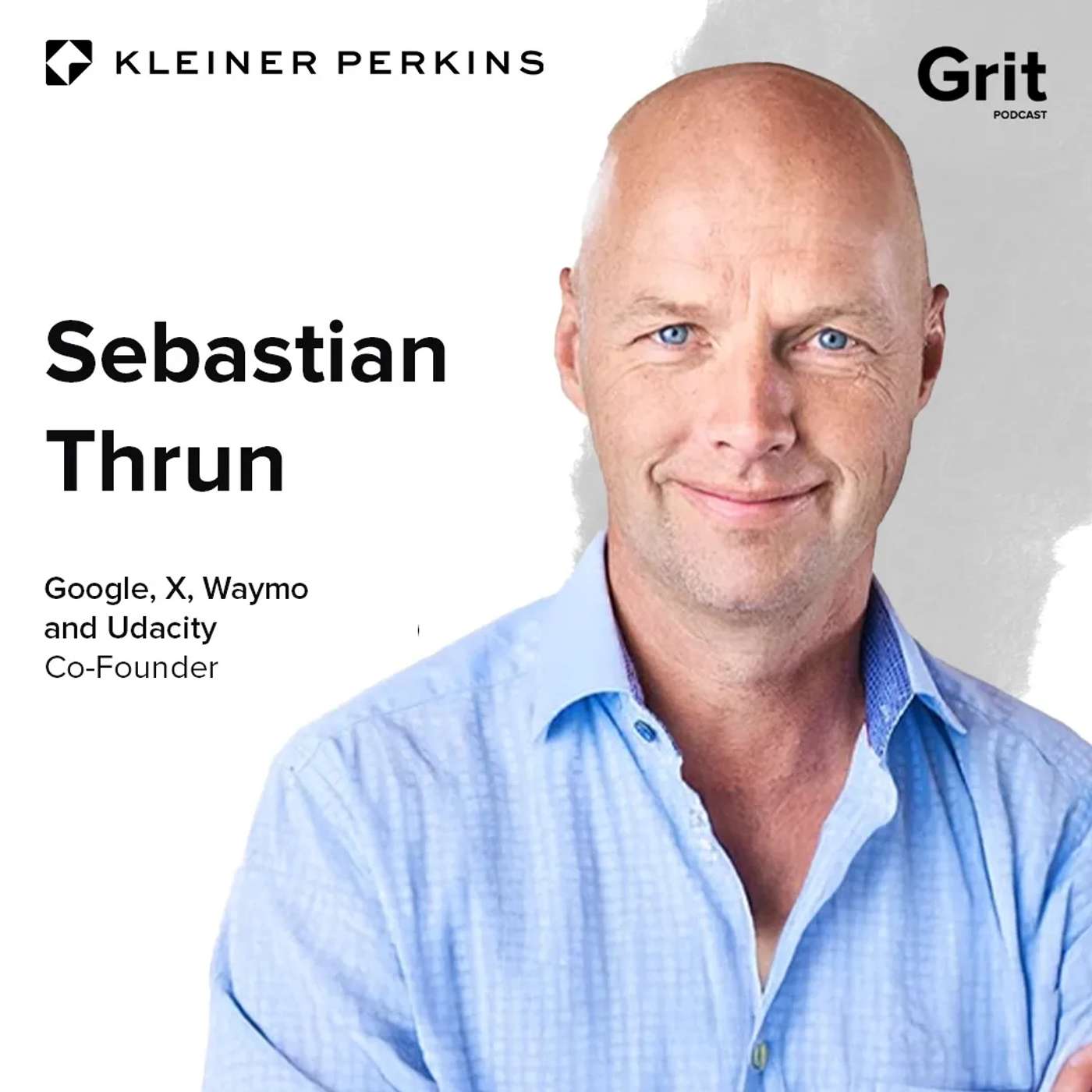
When building its self-driving car team, Google intentionally hired software engineers over automotive experts. They found industry veterans were so ingrained in the existing paradigm that they couldn't adapt to a software-first approach and ended up firing them. The project's success came from fresh minds.
Bizzabo's founders, being new to the events industry, used their lack of preconceived notions to their advantage. They could question established norms and identify problems that insiders overlooked, leading to innovative solutions. This "beginner's mind" is a powerful disruptive tool.

Lacking a traditional resume forces young founders to constantly learn, as they have no preconceived notions of how things 'should' be done. This contrasts with experienced leaders who might wrongly assume their past success provides a playbook for a new market or company stage.

The common practice of hiring for "culture fit" creates homogenous teams that stifle creativity and produce the same results. To innovate, actively recruit people who challenge the status quo and think differently. A "culture mismatch" introduces the friction necessary for breakthrough ideas.

Aravind Srinivas intentionally avoids hiring candidates with established track records from large tech companies. He believes people hungry for their first major success are more motivated and better suited for a startup's intensity than those who may be less driven after a previous big win.

Countering conventional wisdom, Shopify's design leader argues that deep, long-held context often leads to incrementalism. He believes designers can onboard to new problems quickly, and their resulting naivety and fresh perspective are more valuable assets for driving true innovation.
In rapidly evolving fields like AI, pre-existing experience can be a liability. The highest performers often possess high agency, energy, and learning speed, allowing them to adapt without needing to unlearn outdated habits.

In a paradigm shift like AI, an experienced hire's knowledge can become obsolete. It's often better to hire a hungry junior employee. Their lack of preconceived notions, combined with a high learning velocity powered by AI tools, allows them to surpass seasoned professionals who must unlearn outdated workflows.
