Get your free personalized podcast brief
We scan new podcasts and send you the top 5 insights daily.
Conventional scaling crushes founders by making them hold everything. Instead, invert the model: create a supportive architecture where your frameworks hold your work, which in turn holds you. This 'nesting bowl' approach enables scaling without feeling responsible for holding everything yourself.
Related Insights
Founders often equate constant hustle with progress, saying yes to every opportunity. This leads to burnout. The critical mindset shift is recognizing that every professional "yes" is an implicit "no" to personal life. True success can mean choosing less income to regain time, a decision that can change a business's trajectory.

If your business stops the moment you do, burnout is an inevitable outcome of a flawed model. Use this exhaustion as a signal to build systems, delegate, or create passive income streams. This shifts the focus from personal endurance to creating a sustainable enterprise that can function without your constant presence.
A business transitions from a founder-dependent "practice" to a scalable "enterprise" only when the founder shares wealth and recognition. Failing to provide equity and public credit prevents attracting and retaining the talent needed for growth, as top performers will leave to become owners themselves.

Many entrepreneurs love their core business but lose motivation as their role expands to include responsibilities they dislike (e.g., finance, operations). The solution is to reinvest early profits into hiring employees to handle these tasks, freeing the founder to focus on their strengths and passions.

As companies grow from 30 to 200 people, they naturally become slower. A CEO's critical role is to rebuild the company's operating model, deliberately balancing bottom-up culture with top-down strategic planning to regain speed and ensure everyone is aligned.

The primary goal of hiring should be to reclaim the founder's time from low-value tasks. This frees up the business's most valuable asset—the founder—to focus on high-leverage activities that truly drive growth, rather than simply adding capacity.

A founder's role is constantly changing—from individual contributor to manager to culture builder. Success requires being self-aware enough to recognize you're always in a new, unfamiliar role you're not yet good at. Sticking to the old job you mastered is a primary cause of failure to scale.

While sleep and exercise are helpful, the only sustainable way for an ambitious leader to avoid burnout is to scale themselves. This requires developing the superpower of hiring and retaining talented people who can leverage the leader's efforts, ultimately creating more output and personal balance than simply working harder.
Founder-led selling is essential for the first 6-12 months but becomes a critical growth bottleneck if it continues. Founders who can't let go create a self-fulfilling prophecy where the business can't scale beyond them. They must be coached to transition from being the primary seller to an enabler of the sales team.
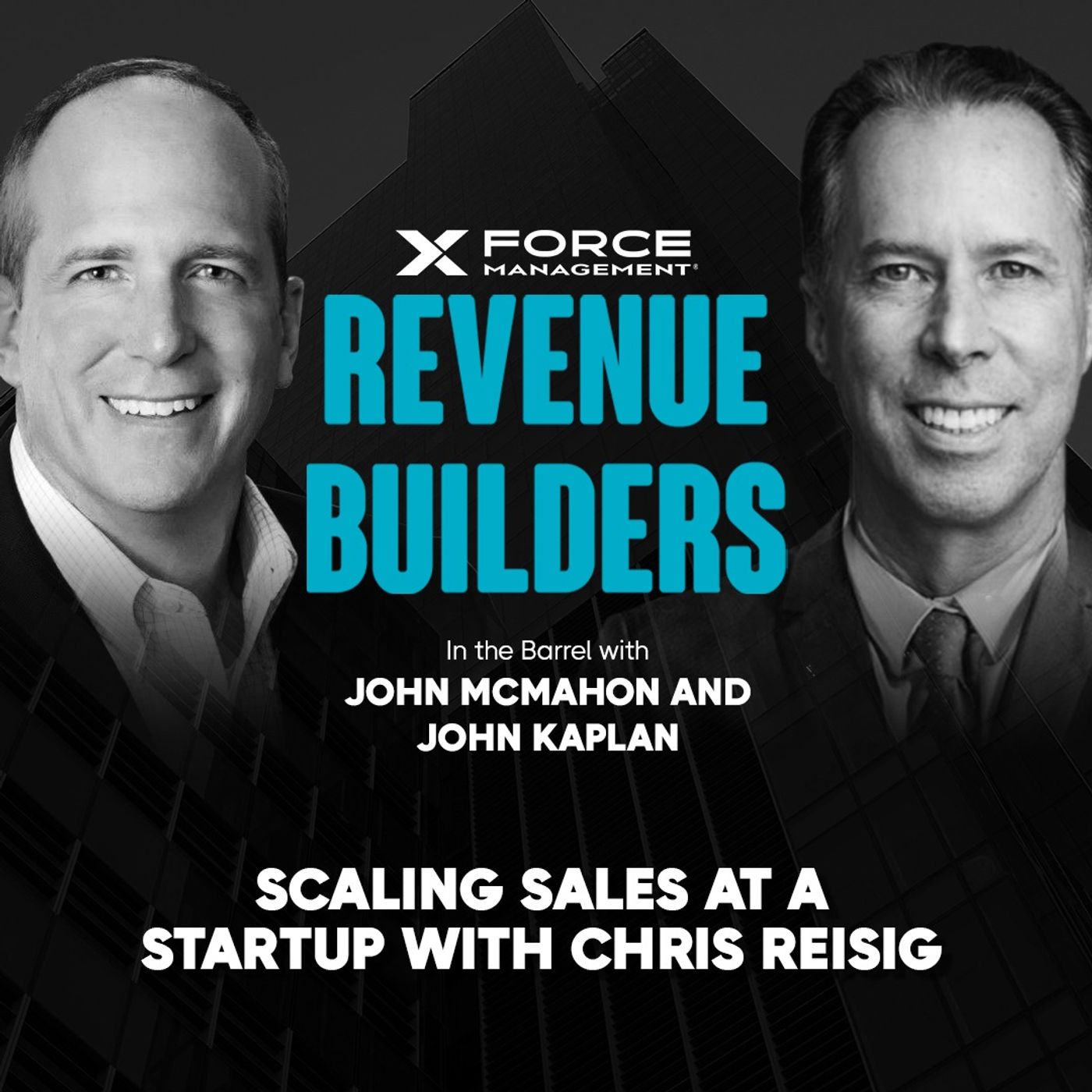
To scale an empire, you must separate emotional relationships from business operations. This means implementing checks and balances, like having a third party review a trusted partner's work, not as a sign of distrust but as a standard, unemotional practice. This protects the business from the inherent vulnerabilities of personal feelings.
