Get your free personalized podcast brief
We scan new podcasts and send you the top 5 insights daily.
Chamath's "Drink With Me" targets the wine industry's markup-heavy distribution. By creating a community with its own liquor license, he bypasses middlemen, offers better pricing, and provides a succession plan for independent wineries, directly attacking a rigged system.
Related Insights
Traditional media chains fail because centralized control and shareholder accountability are misaligned with local community needs. IndieGraph's model provides shared infrastructure (tech, marketing) to a network of independent, locally-owned publishers, preserving local incentives and autonomy.

Athletic Brewing's success comes from rejecting the standard industrial process for non-alcoholic beer. They took a capital-intensive path, building their own breweries to develop a proprietary method that creates a product on par with top craft beers, fundamentally changing category perceptions.

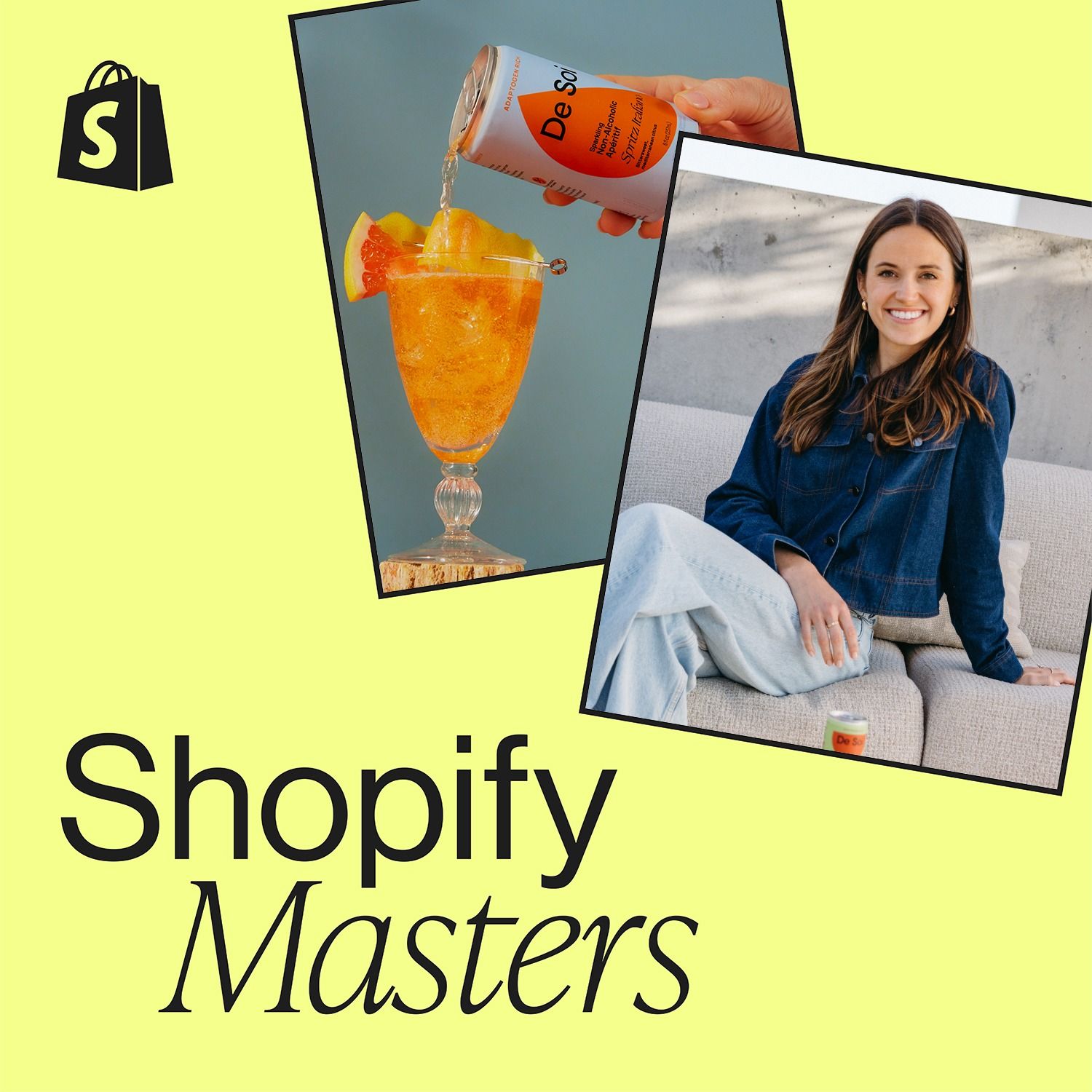
Instead of hiring a large national sales team common in the beverage industry, De Soi takes a capital-efficient approach to on-premise sales. They build a playbook in one key market (LA) using brand ambassadors and contract workers, allowing them to scale without the massive overhead of a traditional sales force.
Pipeline's founder expanded beyond core engineering services by creating an ecosystem including a podcast, online community, and trade show. This strategy builds a strong brand, generates inbound leads, and creates a competitive moat that a typical services firm lacks, making the company an industry hub.

A common thread in John Arrow's ventures, from a service that automates lawsuits to an uncensored AI platform, is leveling the playing field. He identifies opportunities in giving individuals access to powerful systems—like legal recourse or AI—that are traditionally controlled by large institutions.

To solve for quality and consistency with independent farmers, Matt O'Hayer applied his franchise experience. He created a system where Vital Farms recruits farmers, dictates the exact production methods, and buys all their output. This centralized branding and quality control while keeping production decentralized, enabling rapid, consistent scaling.

When competitors can easily copy a physical product, the original creator must build an indefensible moat through brand and community. This involves creating a media ecosystem where customers can participate, such as sharing user-generated content, making them part of something bigger than just the product.
Jane's strategy avoids direct competition with Amazon by digitizing existing brick-and-mortar retail inventory. This creates an "Amazon-like" online experience for consumers but funnels value back into local economies, a model applicable to groceries, alcohol, and other regulated goods.

After facing rejection from boutiques, the founders sold directly to consumers at local holiday and school fairs. This strategy built a loyal customer base that then went into skeptical retail stores and requested Vineyard Vines products, effectively creating B2B demand from B2C sales.
The founder distinguishes between two models. A logistics layer like DoorDash makes existing businesses more accessible. A true marketplace like Airbnb aggregates fragmented supply that is otherwise impossible to find. CookUnity aimed for the latter by connecting users directly with individual chefs.
