Get your free personalized podcast brief
We scan new podcasts and send you the top 5 insights daily.
Pipeline's founder expanded beyond core engineering services by creating an ecosystem including a podcast, online community, and trade show. This strategy builds a strong brand, generates inbound leads, and creates a competitive moat that a typical services firm lacks, making the company an industry hub.

Related Insights
For five years, Mailtrap was a free tool that grew slowly and organically through word-of-mouth in the developer community. This patient, community-led approach established deep-rooted trust and brand loyalty before monetization was ever considered. This foundation became a durable competitive advantage that well-funded competitors could not easily replicate.

When a physical product has low technical barriers to entry and can be easily copied, the only sustainable competitive advantage is a strong brand. Founders must focus on building a community and identity that competitors cannot replicate.

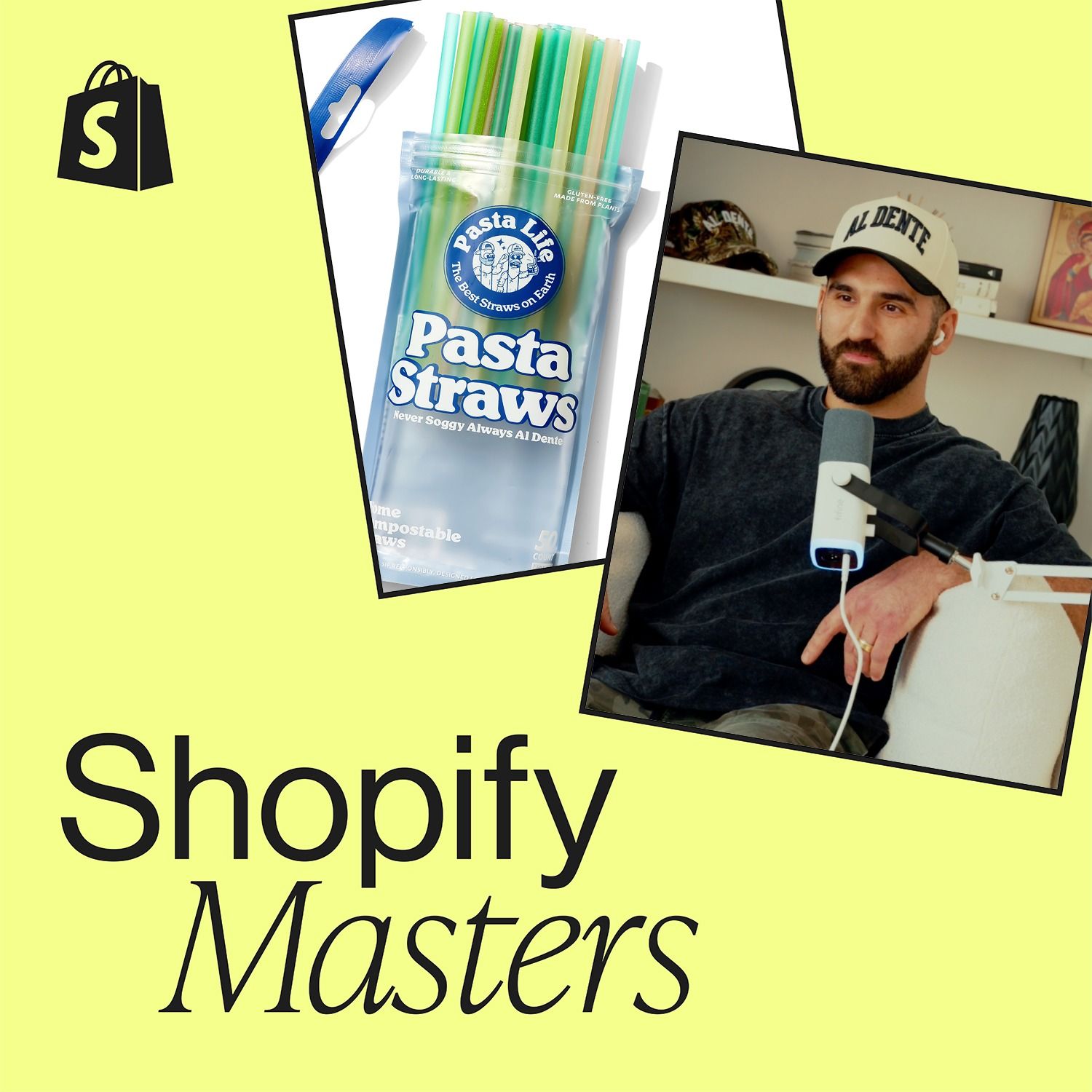
Rather than relying on patents, the founder built a defensible moat using brand strategy. This includes unique content, community engagement, and a trade-secret recipe, making it harder for competitors to replicate their success even if they copy the physical product.
As AI and no-code tools make software easier to build, technological advantage is no longer a defensible moat. The most successful companies now win through unique distribution advantages, such as founder-led content or deep community building. Go-to-market strategy has surpassed product as the key differentiator.

For communities or companies like Dave Gerhardt's Exit 5, the founder's personal brand can become the primary differentiator. This creates a 'category of one' in the customer's mind (e.g., 'The Dave Gerhardt Community'), making direct comparisons difficult and establishing a powerful moat that transcends feature-based competition.

The accelerator's primary advantage is its community (podcast, conference, books), which generates over 80% of its high-quality applicants via word-of-mouth. This content and community-driven deal flow is more effective and defensible than relying on paid marketing or generic search traffic to find quality founders.

Instead of traditional sales collateral, Pipeline equips its business development role with a podcast, an expo, and a professional community. This strategy transforms the sales process into relationship-building and industry evangelism, using shared value and community engagement as the primary tools for attracting and converting clients.
In commoditized industries like energy, customers are accustomed to poor service and non-existent brands. Base identifies this as a massive opportunity. By focusing on creating the first "beloved brand in energy," they aim to build a powerful competitive moat that incumbents cannot easily replicate.

Sustainable scale isn't just about a better product; it's about defensibility. The three key moats are brand (a trusted reputation that makes you the default choice), network (leveraged relationships for partnerships and talent), and data (an information advantage that competitors can't easily replicate).

In-person events create a powerful, hard-to-replicate competitive moat. While rivals can easily copy your digital products or content with AI, they cannot replicate the unique community, experience, and brand loyalty fostered by well-executed IRL gatherings.
