Get your free personalized podcast brief
We scan new podcasts and send you the top 5 insights daily.
Traditional media chains fail because centralized control and shareholder accountability are misaligned with local community needs. IndieGraph's model provides shared infrastructure (tech, marketing) to a network of independent, locally-owned publishers, preserving local incentives and autonomy.

Related Insights
Small publishers lose significant ad revenue due to operational burdens like manual ad insertion, forgotten invoices, and inconsistent data reporting. IndieGraph’s Ad Manager automates this backend process, allowing journalists to focus on building relationships and closing deals.
As media companies scale, they are increasingly run by finance or legal executives who prioritize pulling business levers over creative vision. This shift creates a market opportunity for smaller, passion-driven companies led by actual creators who are less focused on pure optimization.

Standalone local publishers are too small to qualify for premium programmatic ad networks. By bundling its 180+ publishers, IndieGraph acts as a single, larger entity, gaining them access to higher-quality, better-paying ad sources they couldn't reach alone.
The decline of Google and Facebook as reliable traffic drivers is ending the era of chasing scale on platforms. Media companies must now return to a 1990s-style model focused on building a direct, loyal relationship with subscribers who value their specific brand and content.

The media landscape has fundamentally changed. Value is no longer concentrated in institutional brands like the New York Times. Instead, it has shifted to individual, 'non-fungible' writers who can now build their own brands and businesses on platforms like Substack.

ReSeed's model is a heavy lift upfront but creates a powerful, decentralized deal sourcing machine. By backing numerous scrappy, local experts, they have boots on the ground in many markets, unearthing opportunities that a single, centralized acquisitions team could never find.
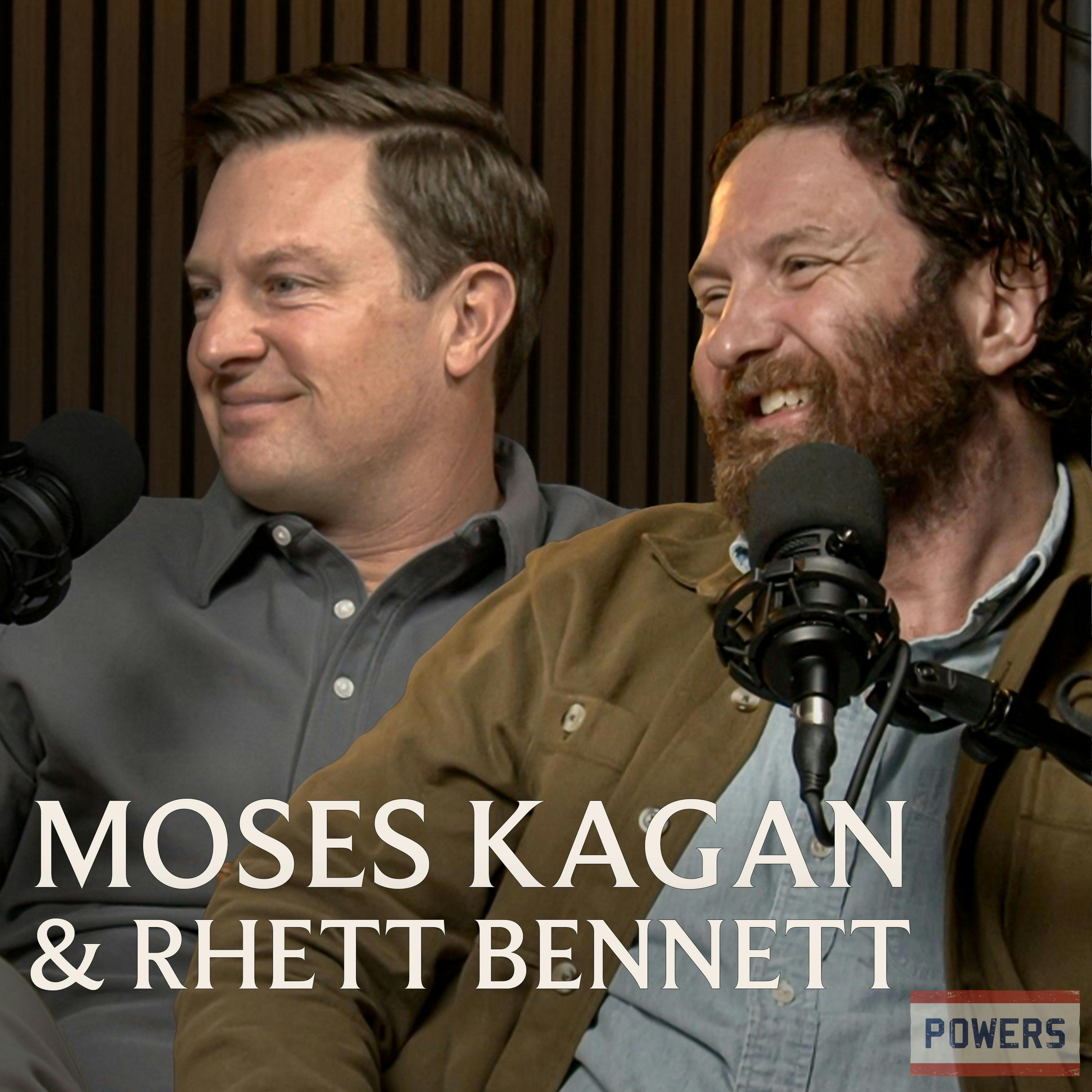
The fragmented ecosystem of independent news is fragile and inefficient. The next phase requires consolidation. The key, per IndieGraph's founder, is for mergers to be driven by public interest and sustainability, not the purely commercial motives that hollowed out legacy media.
Puck attracts top talent by offering the independence many crave without the operational burdens of being a solo creator. They provide infrastructure like a sales team, marketing support, and health insurance, creating a "supported independence" that justifies their revenue share and counters the pure Substack model.

Stuart Shuffman argues his model is highly replicable because local publishers can build deep trust that national brands can't. This trust makes it easier to sell ads directly to local businesses, who see their spending as both a marketing tool and a form of community patronage.
IndieGraph's founder predicts that while the number of local journalists will grow, they won't operate as a fragmented mass of solo ventures. Instead, market pressures and the need for efficiency will drive them to consolidate into fewer, stronger, networked organizations.