Get your free personalized podcast brief
We scan new podcasts and send you the top 5 insights daily.
The M23's control of Goma has created superficial order, with cleaner streets and organized transport. However, this veneer of stability masks a dire reality: a collapsed economy with closed banks, severe human rights abuses including forced recruitment, and a deepening humanitarian crisis.

Related Insights
The government has recruited tens of thousands of poorly trained "volunteer defense forces," primarily from dominant ethnic groups. These militias target minority groups like the Fulani, effectively turning the conflict into one of ethnic cleansing and driving more people into the arms of the jihadists they are supposed to be fighting.
President Traore's popularity, especially in urban areas, is buoyed by his charismatic, anti-imperialist posture. This allows him to deflect criticism from international organizations and maintain support, even as his "scorched earth" military strategy backfires, exacerbates the conflict, and constitutes war crimes in the countryside.
The M23 rebel group is attempting to transition from a sanctioned militia to a de facto state actor. They are leveraging control over Congo's vast mineral wealth to present themselves to the West, particularly the U.S., as a stable and viable business partner, despite their leaders being under sanctions.
Despite record cocaine production and rising violence, Colombian voters feel better about the economy. The incumbent left-wing government engineered this sentiment by overspending, hiking the minimum wage by 17%, and pressuring the central bank, creating a "jam today" effect that overshadows the security crisis.
In places like Venezuela, a multinational's office becomes a sanctuary with reliable power and communications. The commute is a dangerous journey between secured corporate compounds and gated residential communities, highlighting the stark contrast with failing public infrastructure.

Madagascar stands out globally for having the largest drop in GDP per capita since 1960 of any country that has not experienced a civil war. This unique and severe economic regression, despite its rich biodiversity and lack of major conflict, makes it a critical case study for understanding state failure and the traps of endemic poverty.
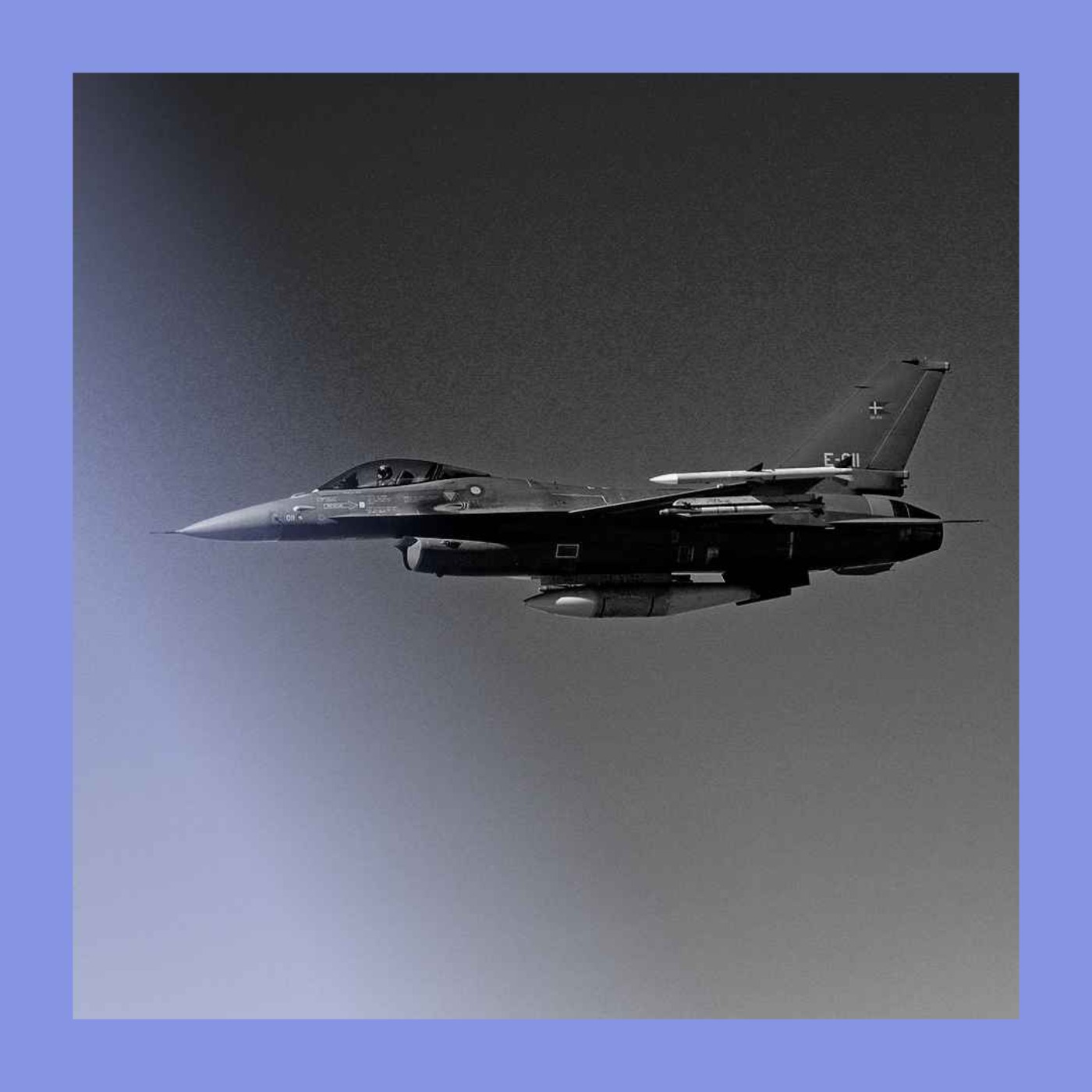
Russia's imprecise and often brutal counter-terrorism methods in Africa cause significant civilian casualties. Violent extremist organizations (VEOs) exploit this heavy-handedness in their propaganda to recruit new members and stir local grievances, directly undermining regional stability.

The successful push to remove Maoist rebels from tribal regions in India creates a new threat for local communities. With the insurgents gone, residents fear the heavy state military presence will now facilitate the entry of mining companies seeking to exploit the areas' rich mineral reserves, leading to displacement and dispossession.
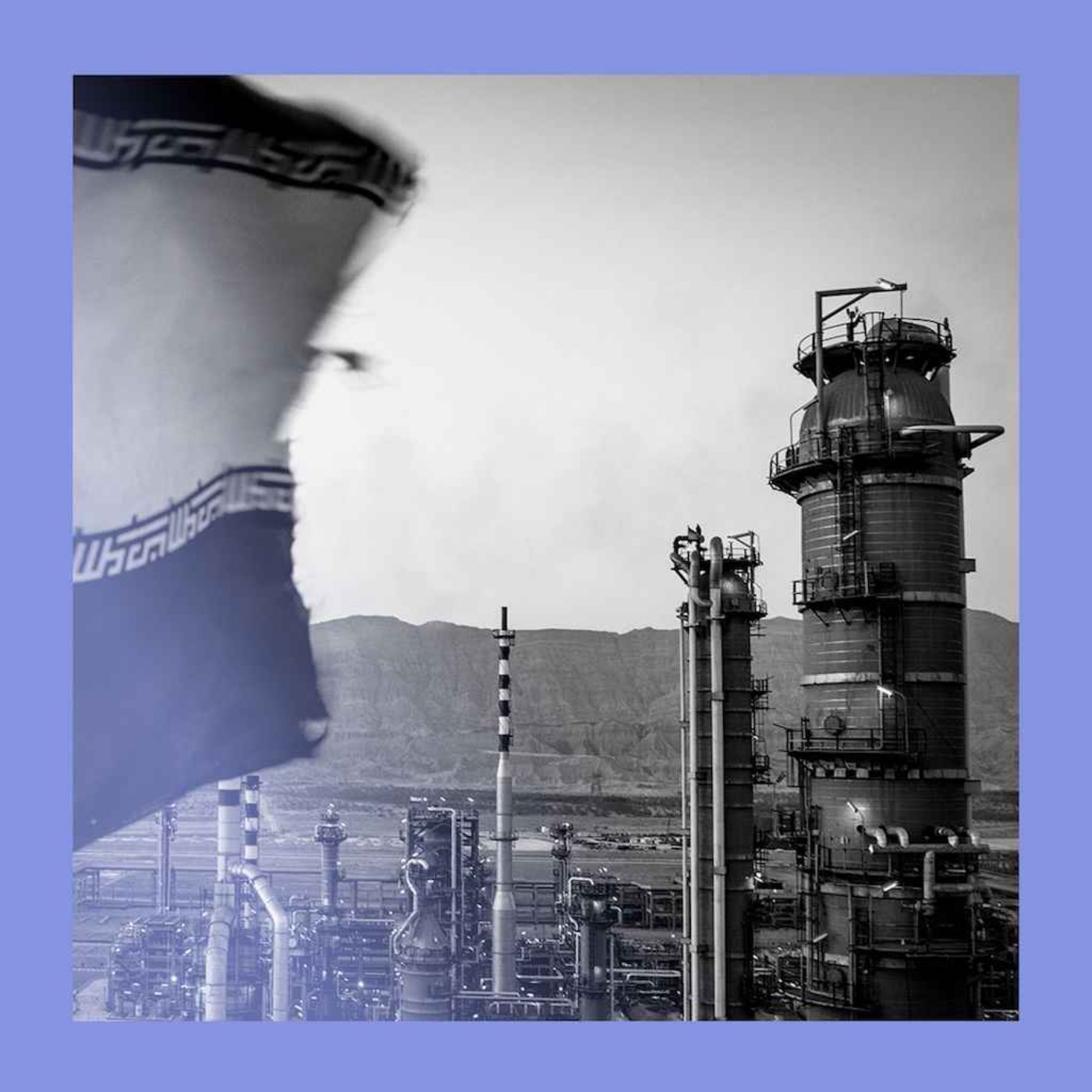
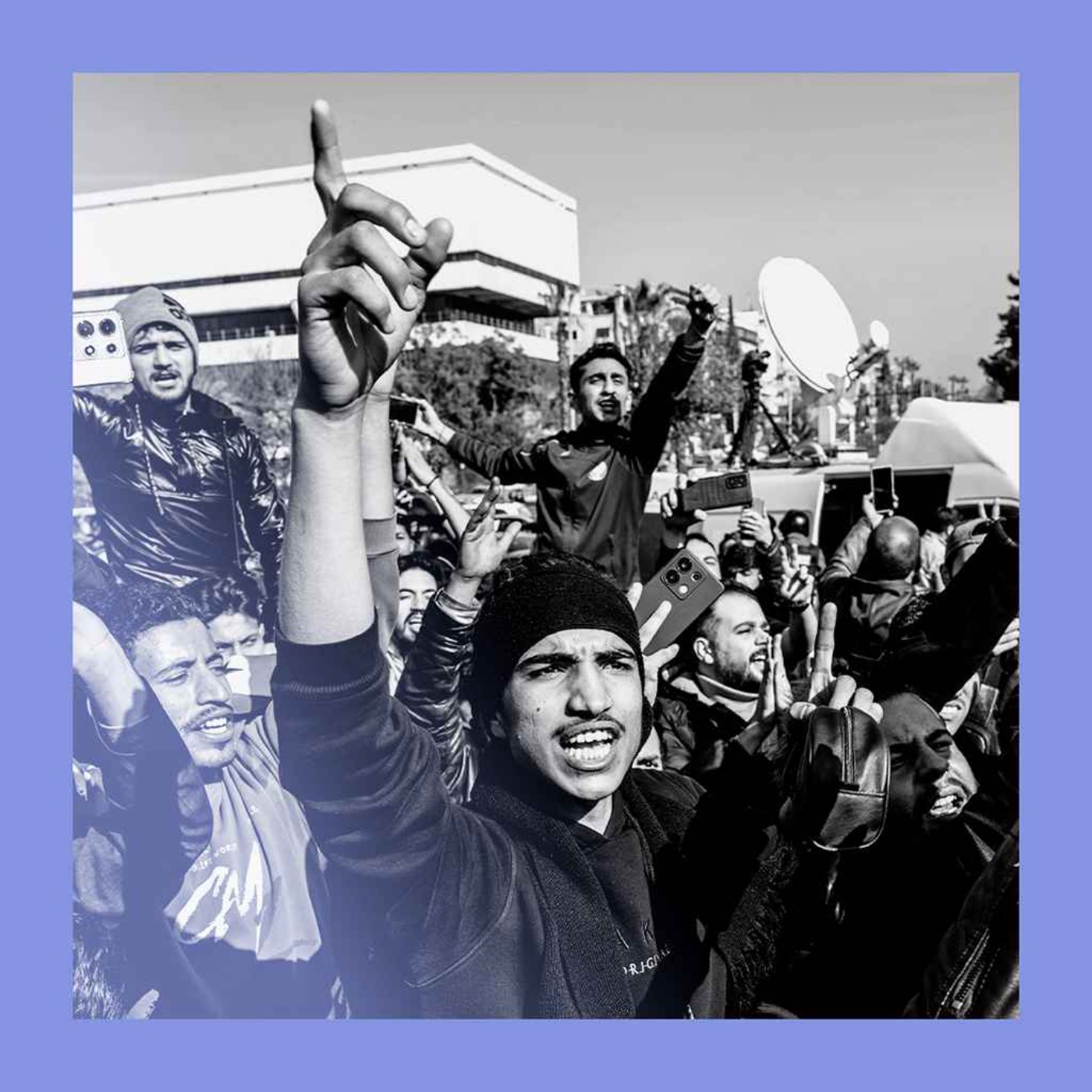
Contrary to expectations of post-liberation prosperity, the new Syrian government has worsened the economic situation for many citizens. By firing hundreds of thousands of state employees and cutting subsidies, the regime has plunged some of the country's poorest into greater financial distress, demonstrating that political freedom doesn't guarantee economic stability.
Russia is actively recruiting thousands of Africans under the false pretense of educational or job opportunities. Once they arrive, their passports are seized, and they are forced into military service on the front lines in Ukraine, a practice described as state-sponsored human trafficking.