Get your free personalized podcast brief
We scan new podcasts and send you the top 5 insights daily.
The M23 rebel group is attempting to transition from a sanctioned militia to a de facto state actor. They are leveraging control over Congo's vast mineral wealth to present themselves to the West, particularly the U.S., as a stable and viable business partner, despite their leaders being under sanctions.

Related Insights
According to long-time China analyst James Kynge, a recent U.S.-China summit marked a historic reversal. For the first time, the U.S. president was in a position of asking for concessions, not demanding them, driven by China's leverage over critical mineral exports essential for U.S. tech and weapons.

In its strategic effort to counter China's dominance in critical minerals, the US is deploying a more muscular foreign policy. Diplomatic support for countries like Tanzania is now explicitly conditional on progress being made on mining projects involving American firms, directly linking foreign policy to advancing specific corporate interests.

In unstable environments, adherence to Western standards for food safety and anti-bribery isn't a burden but a key differentiator. It attracts other multinationals as customers who value reliability and predictability, knowing contracts will be honored without illicit payments.

The M23's control of Goma has created superficial order, with cleaner streets and organized transport. However, this veneer of stability masks a dire reality: a collapsed economy with closed banks, severe human rights abuses including forced recruitment, and a deepening humanitarian crisis.
As the US competes with China for access to critical minerals in Africa, a new dynamic is empowering host nations. This heightened competition is reportedly making China more agreeable to requests from African governments for local, value-adding processing facilities, a shift from the traditional model of only extracting and exporting raw materials.
In Russia, nominally private companies like Gazprom function as direct extensions of the state. Their international investments are designed not just for profit but to achieve geopolitical goals, creating a system where foreign policy, business interests, and the personal wealth of the ruling class are completely inseparable.

Instead of direct military intervention, a modern strategy involves crippling a nation's economy and military so severely that the regime deteriorates from internal pressure. This approach aims to force a collapse without committing ground troops, which is politically unpopular.

Despite ongoing political concerns, the most optimistic story in Africa is the rise of a robust private sector. This is particularly visible in agriculture and agribusiness, where pan-African conglomerates are emerging. These firms are creating value and operating across borders, demonstrating a new level of economic traction independent of state capacity.

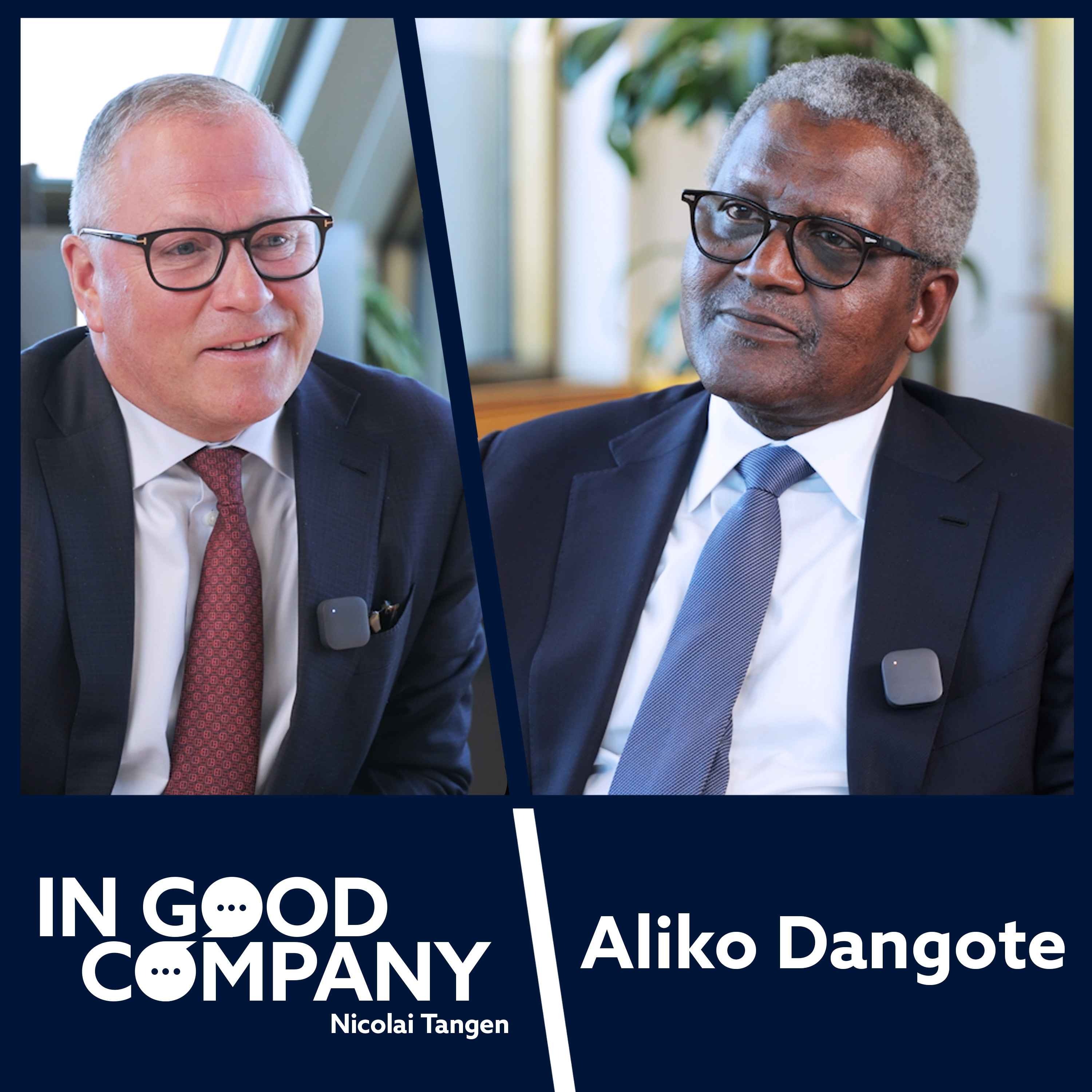
According to Dangote, China's business success in Africa stems from its aggressive financing terms. Unlike Western companies that often require full payment upfront, Chinese suppliers offer multi-year credit with small down payments, backed by their state insurance, enabling African companies to leverage capital and grow faster.
The key to breaking China's monopoly on rare earths isn't just sourcing minerals, but creating a commercially viable market. The US government is actively negotiating demand-side pricing deals with allied nations to counteract Chinese subsidies, recognizing that fixing the pricing mechanism is as critical as securing the physical supply.
