Get your free personalized podcast brief
We scan new podcasts and send you the top 5 insights daily.
Despite record cocaine production and rising violence, Colombian voters feel better about the economy. The incumbent left-wing government engineered this sentiment by overspending, hiking the minimum wage by 17%, and pressuring the central bank, creating a "jam today" effect that overshadows the security crisis.

Related Insights
The idea of an 'authoritarian bargain'—trading freedom for prosperity—is a myth. Autocrats don't need GDP growth; they need direct cash flow from sources like oil, hacking, or counterfeiting to fund repression and patronage. This allows them to maintain power even as their country's economy flounders.

During the 2012 oil boom, the Chavez government spent as if oil were $200 a barrel, even though it was only $100. They borrowed heavily to cover this gap. When prices later collapsed to the $30s, the financial shock was catastrophic because it came from a $200 spending level, not a $100 one.

Despite growing public demand for elections in Venezuela, the new leadership is playing for time by insisting on a 'big agreement' covering economic and social issues first. This positions economic stability as a prerequisite for democracy, creating a recipe for indefinite procrastination on ceding political power.
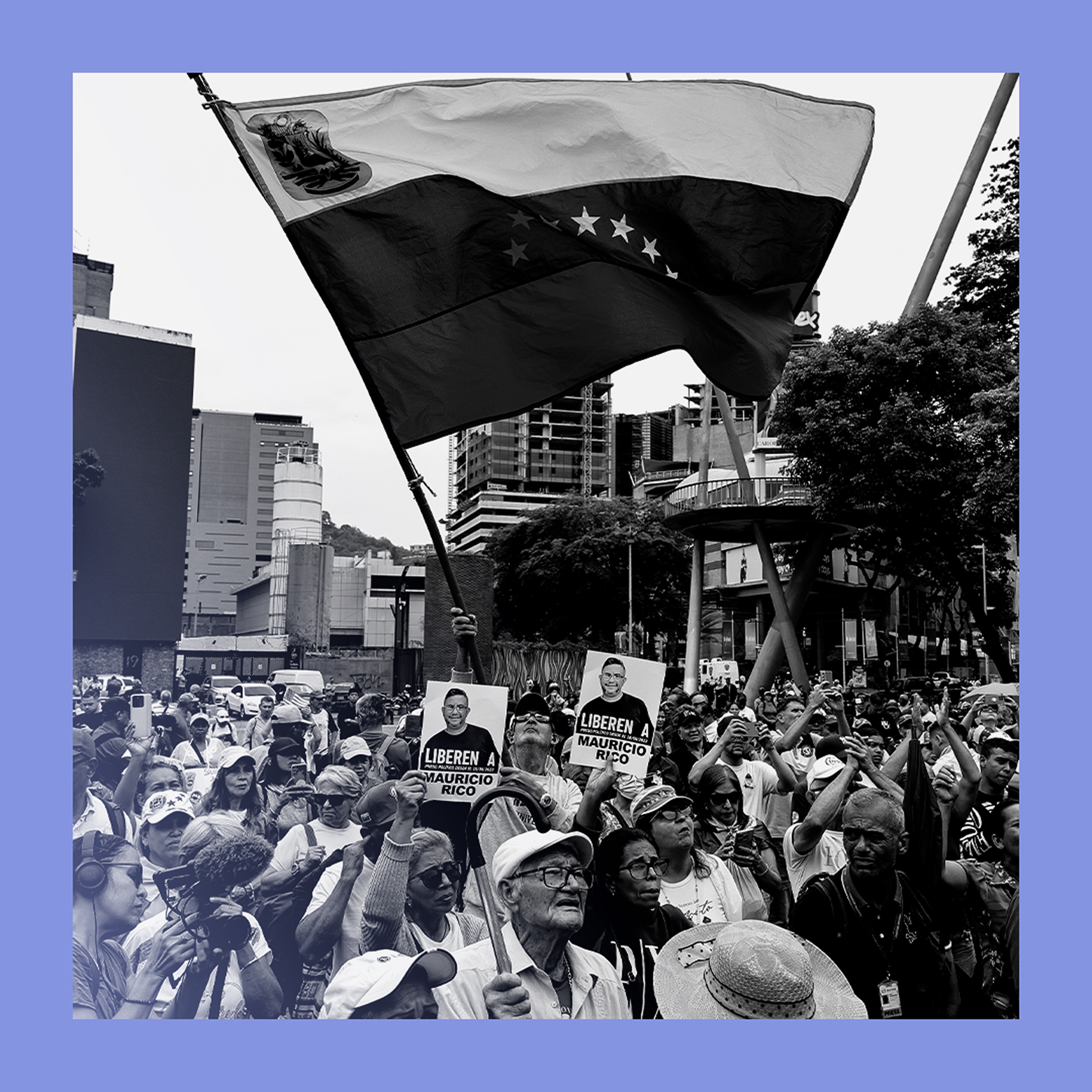
Once a destination for American economic opportunity, Venezuela's economy imploded after nationalizing its top industry and imposing widespread price controls. This recent, dramatic collapse serves as a powerful, real-world example of how such policies can lead to ruin, yet they remain popular.

While the Colombian government touts a significant increase in cocaine interceptions as a success, the sheer volume of these seizures actually points to an unprecedented surge in production, which is at a record high.
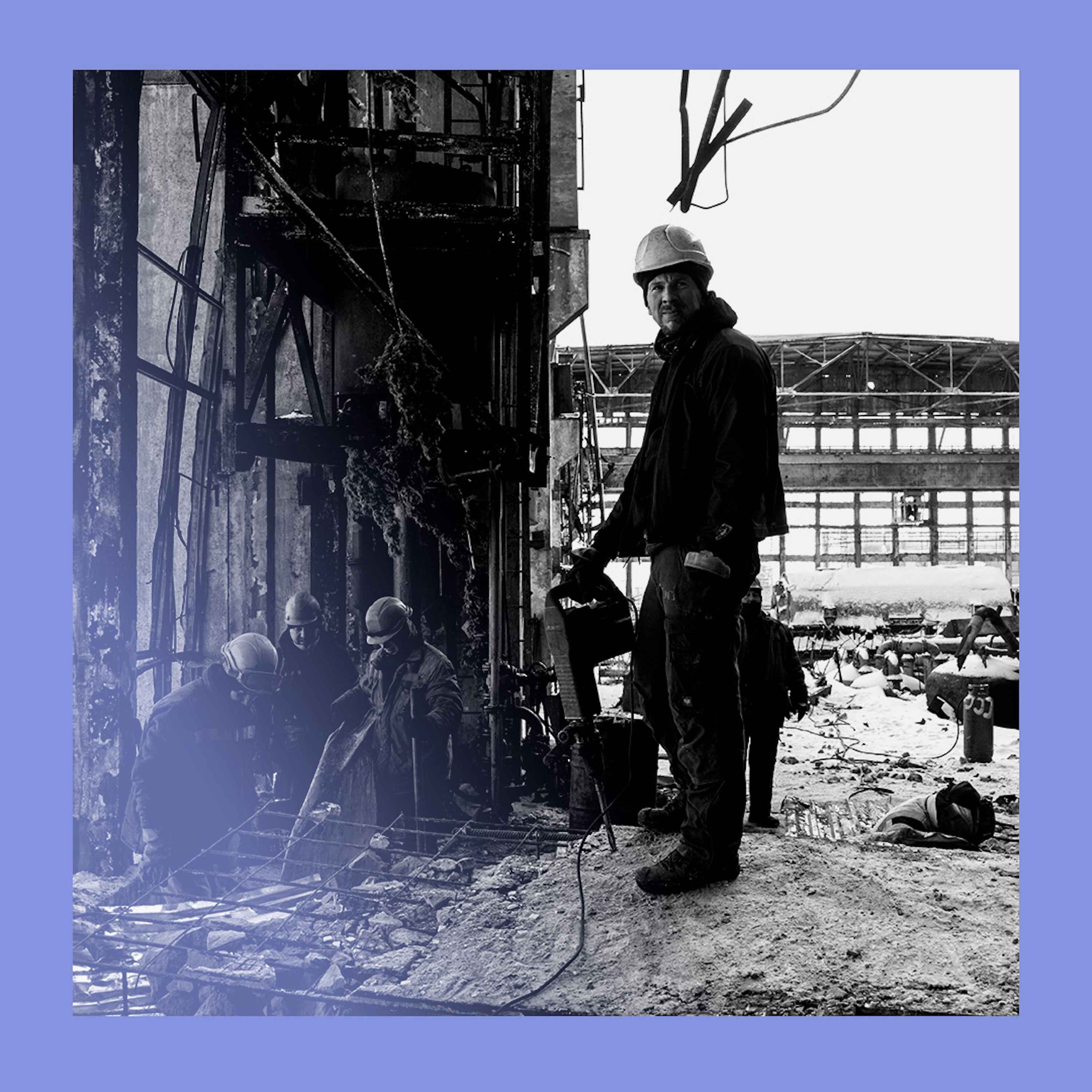
The inability for young people to afford assets like housing creates massive inequality and fear. This economic desperation makes them susceptible to populist leaders who redirect their anger towards political opponents, ultimately sparking violence.

Despite political polarization, FX volatility is expected to be less than half of the 20% depreciation seen in the last cycle. This is due to a less tense social fabric, more moderate economic agendas, and strong institutions that have proven effective at limiting executive power and radical reforms.

The abundance of Colombian mercenaries is driven by military rules forcing soldiers to retire young (age 45 or after 20 years' service). This creates a continuous pool of highly experienced veterans with inadequate pensions and institutional support, making lucrative foreign military contracts an attractive alternative.

Economic uncertainty and anxiety are the root causes of political violence. When governments devalue currency through inflation and amass huge debts, they create the stressful conditions that history shows consistently lead to civil unrest.

Colombia's central bank made a surprise unanimous decision to pause rate hikes, directly contradicting the recommendation of its technical staff. This move, aimed at preserving "agreement in the current situation," signals that monetary policy has become politicized ahead of elections. This erodes the bank's credibility, a key anchor for financial markets, creating risk for local assets.