Get your free personalized podcast brief
We scan new podcasts and send you the top 5 insights daily.
The US offered financial incentives for peace, failing to grasp that Iran's goal was not money but solidifying regional dominance. The agreement's clauses on controlling the Strait of Hormuz and establishing a sphere of influence were Iran's primary objectives, which the US negotiator seemingly overlooked.

Related Insights
The failure to militarily secure the Strait of Hormuz is a major strategic concession. It demonstrates a critical vulnerability and effectively hands Iran control over a global economic chokepoint, allowing them to wield immense leverage over international trade.

The US-Iran framework deal was primarily motivated by the need to reopen the critical Strait of Hormuz for oil transport. This narrow economic aim took precedence over allies' broader security concerns, such as dismantling Iran's missile program, revealing a divergence in strategic priorities between the US and Israel.

The US-Iran agreement is a "deal to do more deal making," deferring critical issues like the nuclear program and long-term sanctions. This approach secures short-term stability but fails to resolve underlying conflicts, creating a high probability that the crisis will re-ignite once the interim negotiation period ends.
The White House believes a $300B investment fund will incentivize Iran to change its behavior. This assumes economic motivations override deep-seated ideological goals, a common Western miscalculation when dealing with such regimes.

Before the war, Iran was a declining power. Now, by controlling 20% of the world's oil flow through the Strait of Hormuz, Iran has gained significant strategic leverage it previously lacked. The US bombing campaign created the opportunity for this power grab.
The first actor required to make a concession in a peace agreement is typically the losing side. The US having to remove its blockade first in the Iran deal indicates it was negotiating from a position of weakness, signaling a loss.

Iran's control of the Strait of Hormuz is its key bargaining chip, but its aggressive use has cost it the very economic benefits it sought. This demonstrates how a short-term tactical victory can lead to a long-term strategic loss by undermining the ultimate goal of the negotiation.
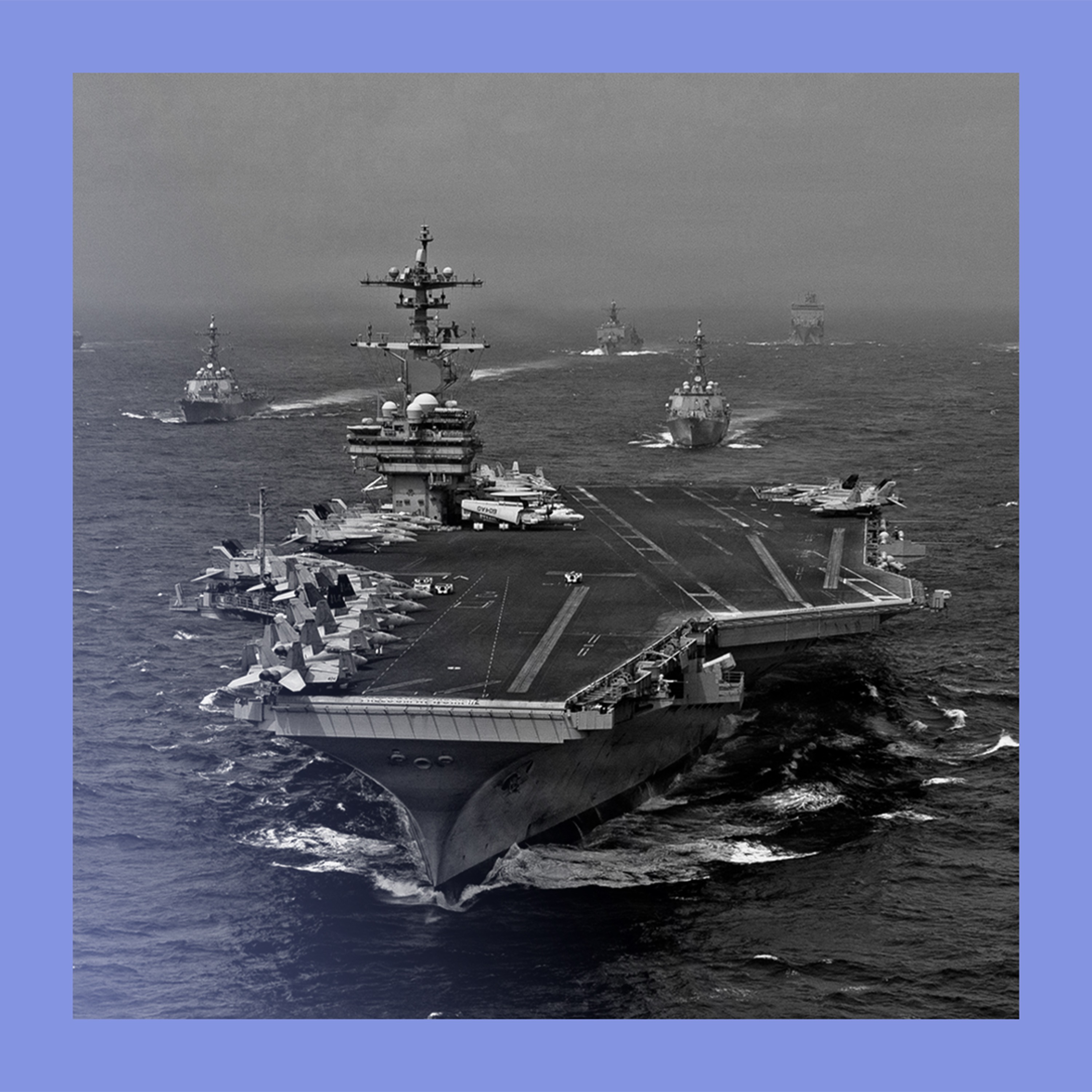
The White House assumed the hostage crisis was a negotiation over specific demands, such as returning the Shah. In reality, Khomeini used the prolonged crisis to eliminate moderate rivals and consolidate the Islamic Republic, making the stated demands largely irrelevant.

The US expects sanctions and military threats to force negotiation based on economic self-interest. However, nations like Iran, driven by theological and ideological principles, often prioritize perceived long-term divine victory over short-term economic hardship, rendering typical US leverage ineffective.

A probable off-ramp for the US-Iran conflict involves Iran conceding on nuclear enrichment. In return, they could gain leverage and revenue by maintaining control over transit through the Strait of Hormuz.
