Get your free personalized podcast brief
We scan new podcasts and send you the top 5 insights daily.
Unlike acute pain which signals immediate tissue damage, chronic pain often persists after the body has physically healed. Conditions like fibromyalgia represent a disease of the pain system itself, where nerves have fundamentally changed their function and continue to send alarm signals without an ongoing injury.

Related Insights
Humans evolved a robust inflammatory response to fight constant threats like infections. In today's relatively sterile world, this powerful system lacks its historical targets and can overreact to modern triggers, leading to the chronic low-level inflammation that is at the heart of many modern diseases.
While 72 million Americans have back pain often attributed to mechanical issues, an estimated 5 million are actually living with inflammatory back pain caused by an autoimmune condition. This reframes a significant portion of chronic back pain from a common mechanical problem to a major, undiagnosed immunological disease hidden in plain sight.
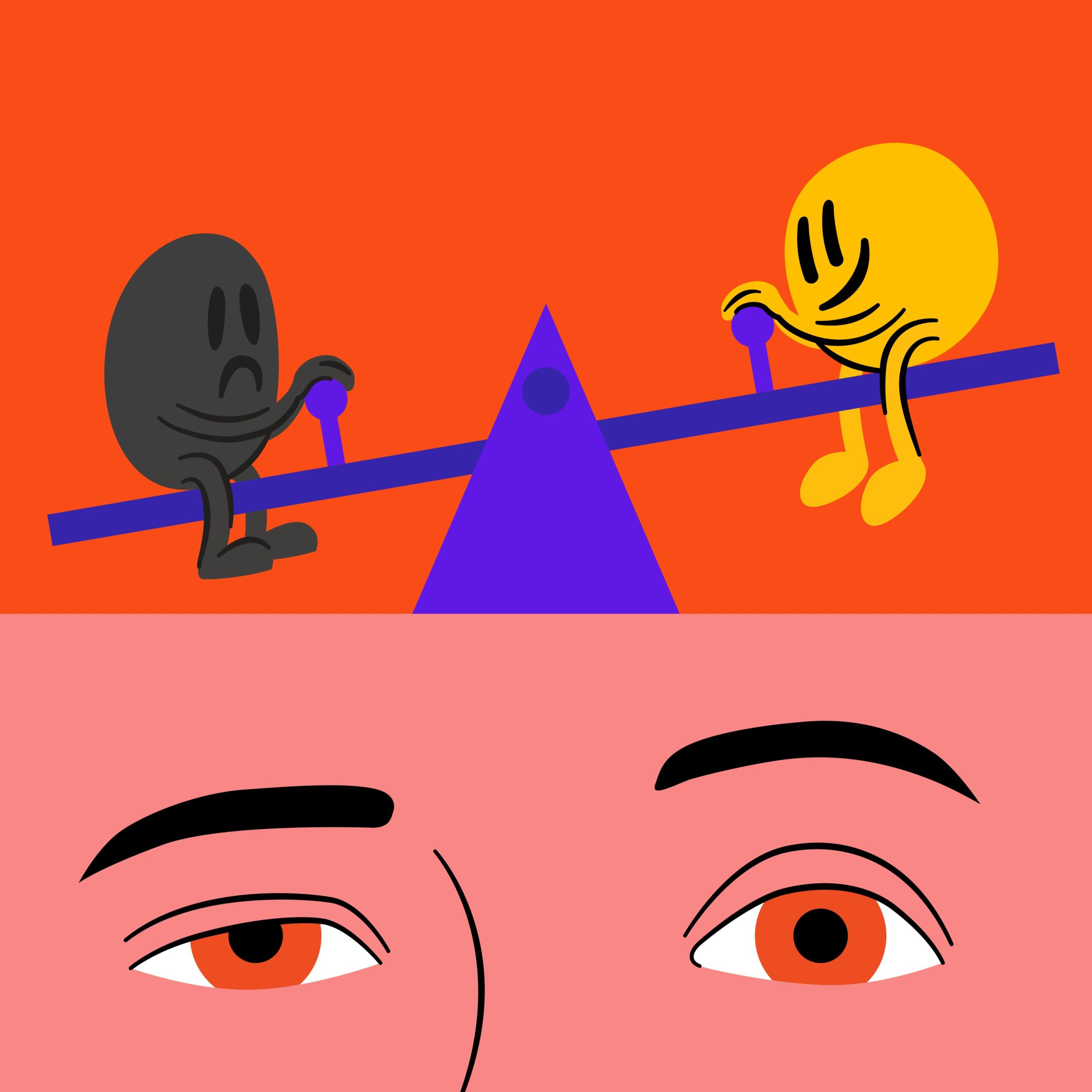
Neuroscience shows pleasure and pain are co-located in the brain and work like a seesaw. When we experience pleasure, the brain immediately compensates by tilting towards pain to restore balance. This neurological 'come down' is why constant pleasure-seeking eventually leads to a state of chronic pain and craving.
Neuroscience shows pain isn't located solely in the body part that hurts; it's an experience created by the brain. The phenomenon of phantom limb pain—feeling pain in a limb that's been amputated—proves the brain is the ultimate source of the pain experience, demonstrating its power to generate sensation independent of tissue.
Pain is simply a physiological signal registered in the brain, like a rapid heartbeat. Suffering is the negative story or interpretation you attach to that signal. By changing your belief about the pain (e.g., exertion in a gym vs. a heart attack), you can control your suffering.

The brain and body naturally produce powerful pain-lowering chemicals, including serotonin, dopamine, and endorphins (the body's own opioids). These can be actively released through specific behaviors like movement, exercise, laughter, and social connection, giving individuals a way to directly manage their pain levels without external medication.
Dr. Will Bolsiewicz distinguishes between life-saving acute inflammation (fighting infection, healing injury) and detrimental chronic low-grade inflammation. The latter is a constant, damaging immune response likened to a “forever war” inside the body, which is at the root of many modern diseases.

The experience of pain is not an immediate or direct result of tissue damage. The brain processes the injury and can delay or override the pain signal based on context. An athlete may not feel a torn tendon until after the game, proving that pain is a cognitive event, not just a mechanical signal from injury.
Gaining a broad pain indication requires multiple, distinct clinical trials. Acute pain studies are short-term (e.g., 7 days) and use specific surgical models like bunion removal ('hard tissue') and tummy tucks ('soft tissue'). In contrast, chronic pain trials must run for months and target long-term conditions like diabetic neuropathy or lower back pain.
Emotions are not just mental states; they trigger concrete biological cascades of hormones, neurotransmitters, and changes in muscles. The same brain regions that process emotion also construct pain. This is why stress or anxiety can physically intensify pain, confirming that pain is always both physical and emotional.