Get your free personalized podcast brief
We scan new podcasts and send you the top 5 insights daily.
Omni's initial team of 20 included ~15 people who had previously worked together at Looker. This shared history and trust eliminated typical startup challenges like management overhead and cultural alignment, dramatically increasing their development velocity from day one.

Related Insights
To staff their rapidly growing business, Chip and Joanna hired people they trusted, like friends, regardless of their lack of direct experience. They prioritized loyalty and a willingness to learn over a perfect resume, building a team that was deeply committed to their vision and culture.

The primary advantage of a second-time founder is talent pattern recognition. Having learned what competence looks like for each role (e.g., SDR vs. VP of Sales), they can assemble a proven team structure quickly, bypassing the slow, painful learning process.

Counter to the adage that "startups shouldn't buy startups," Cursor successfully uses M&A as a core recruiting strategy. They acquire small, talented teams working on complementary problems, viewing acquisitions as a way to onboard the best people who happen to already be working on their own companies.

Resist hiring quickly after finding traction. Instead, 'hire painfully slowly' and assemble an initial 'MVP Crew' — a small, self-sufficient team with all skills needed to build, market, and sell the product end-to-end. This establishes a core DNA of speed and execution before scaling.
Base Power's culture of execution was set by its first ~10 hires—senior leaders from Tesla and SpaceX who initially worked as individual contributors. This "lead from the front" model, where leaders still do IC work, cascaded through the company as it scaled to 250 people.

Instead of replacing leaders at each growth stage, the Uber Eats management team was built like an "organism" with complementary strengths and was kept largely intact from launch to a $20 billion run rate. This proves a cohesive team that can learn together is more valuable than constantly hiring for "scale experience."

Contradicting the common startup goal of scaling headcount, the founders now actively question how small they can keep their team. They see a direct link between adding people, increasing process, and slowing down, leveraging a small, elite team as a core part of their high-velocity strategy.
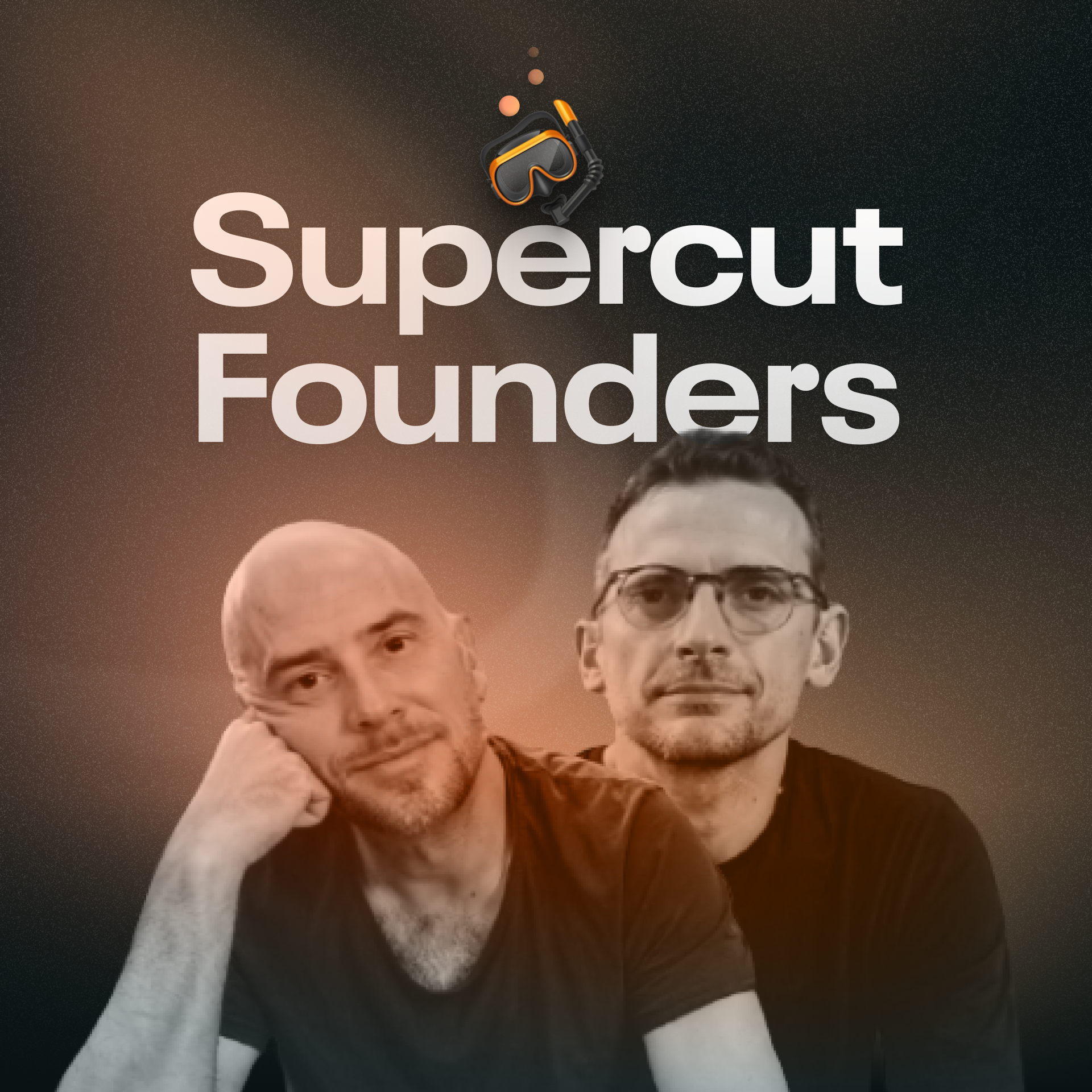
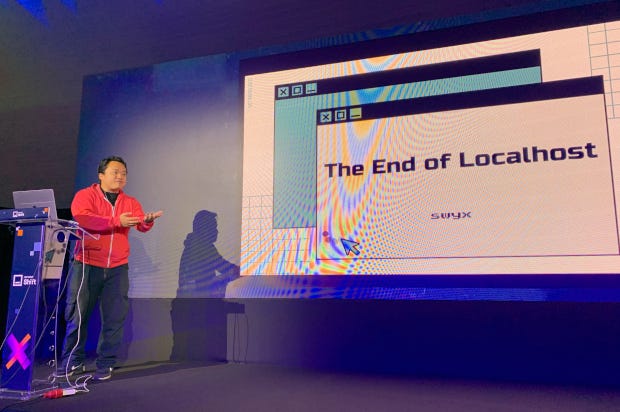
First-time founders build teams from scratch; serial founders reassemble them. Over half of Daytona's team has worked with the founders for 7+ years. This creates an "unfair advantage" of pre-existing trust, shared context, and high-throughput execution that is difficult for new teams to replicate.
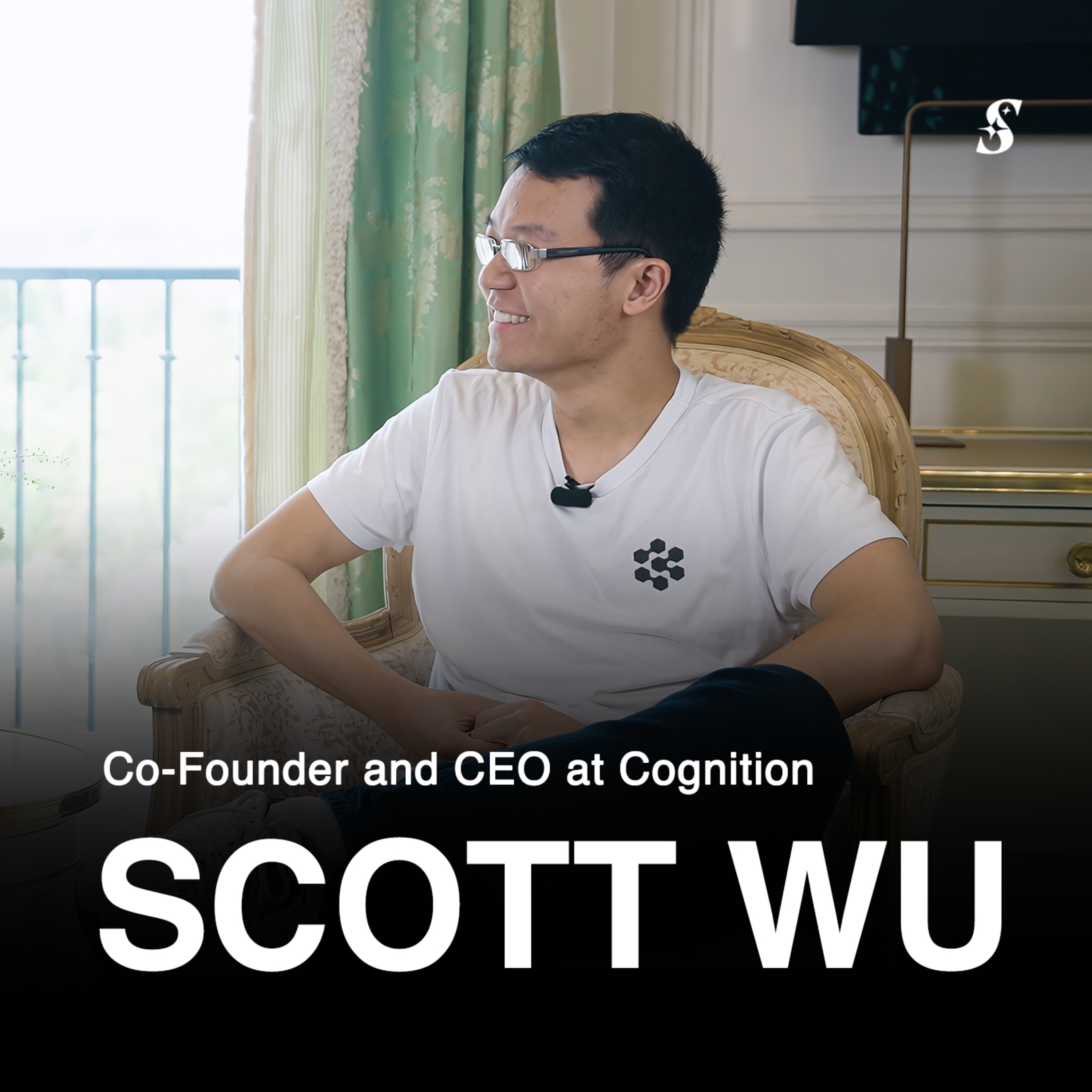
Cognition's early hiring strategy deliberately targeted former founders, resulting in over half its initial team having prior startup experience. This created a culture of ambition, entrepreneurial spirit, and first-principles thinking, which was crucial for tackling complex challenges like M&A and rapid scaling.
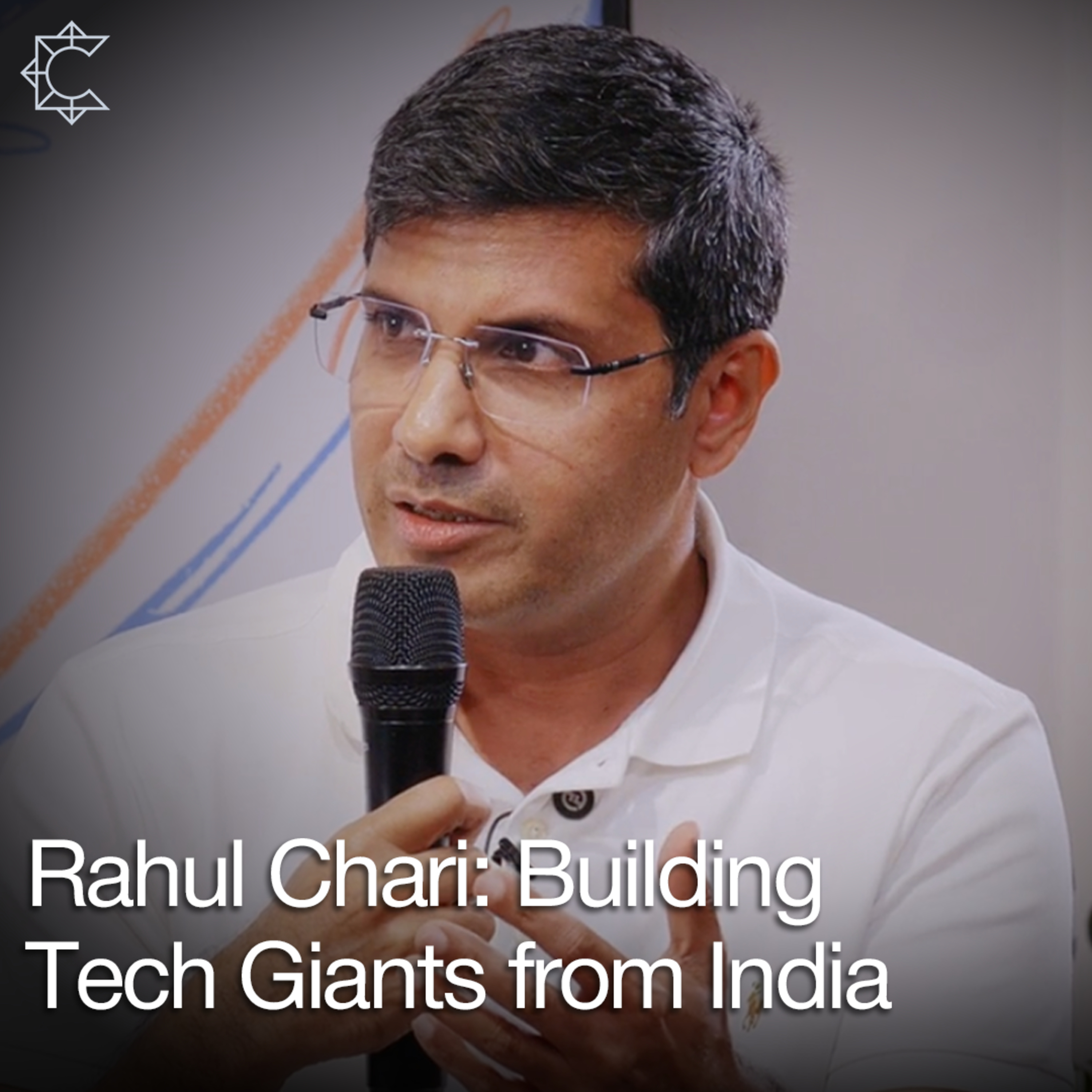
PhonePe de-risked its crucial early hires by exclusively recruiting former colleagues from Flipkart or people who had worked directly with those colleagues. This "homecoming" strategy ensured a high-trust, high-performance team from day one, bypassing traditional interview processes.