Get your free personalized podcast brief
We scan new podcasts and send you the top 5 insights daily.
The primary advantage of a second-time founder is talent pattern recognition. Having learned what competence looks like for each role (e.g., SDR vs. VP of Sales), they can assemble a proven team structure quickly, bypassing the slow, painful learning process.

Related Insights
Second-time founders (“Act II teams”) possess a unique advantage. They can solve the same core problem but with complete clarity from the start, knowing the edge cases and organizational structure required. This allows them to leverage modern technology while avoiding the mistakes of their first venture, as seen with the founders of Workday and Affirm.
![Henry Ellenbogen - Man Versus Machine - [Invest Like the Best, EP.452] thumbnail](https://megaphone.imgix.net/podcasts/498a0910-d6ea-11f0-aae4-8f837283e00f/image/9b60f0353346cd1b5cbd326c86e22287.jpg?ixlib=rails-4.3.1&max-w=3000&max-h=3000&fit=crop&auto=format,compress)
Figma's founder, Dylan Field, admits he was a poor manager initially. His solution was to hire experienced leaders he could learn from directly, like his first director of engineering. This flips the traditional hiring dynamic; instead of hiring subordinates, insecure founders should hire mentors who can teach them essential skills and push the company forward.

The ideal founder archetype starts with deep technical expertise and product sense. They then develop exceptional business and commercial acumen over time, a rarer and more powerful combination than a non-technical founder learning the product.
![David George - Building a16z Growth, Investing Across the AI Stack, and Why Markets Misprice Growth - [Invest Like the Best, EP.450] thumbnail](https://megaphone.imgix.net/podcasts/8da7dbd8-ceeb-11f0-941c-ef83bcdd4c9f/image/d44107bc94719f78fbe91befb141073e.jpg?ixlib=rails-4.3.1&max-w=3000&max-h=3000&fit=crop&auto=format,compress)
Many successful second-time founders don't innovate into new fields. Instead, they re-apply a proven playbook to the same market, much like a gamer "speed-running" a familiar level. This leverages deep domain expertise to execute faster and more effectively, bypassing the learning curve of a new industry.

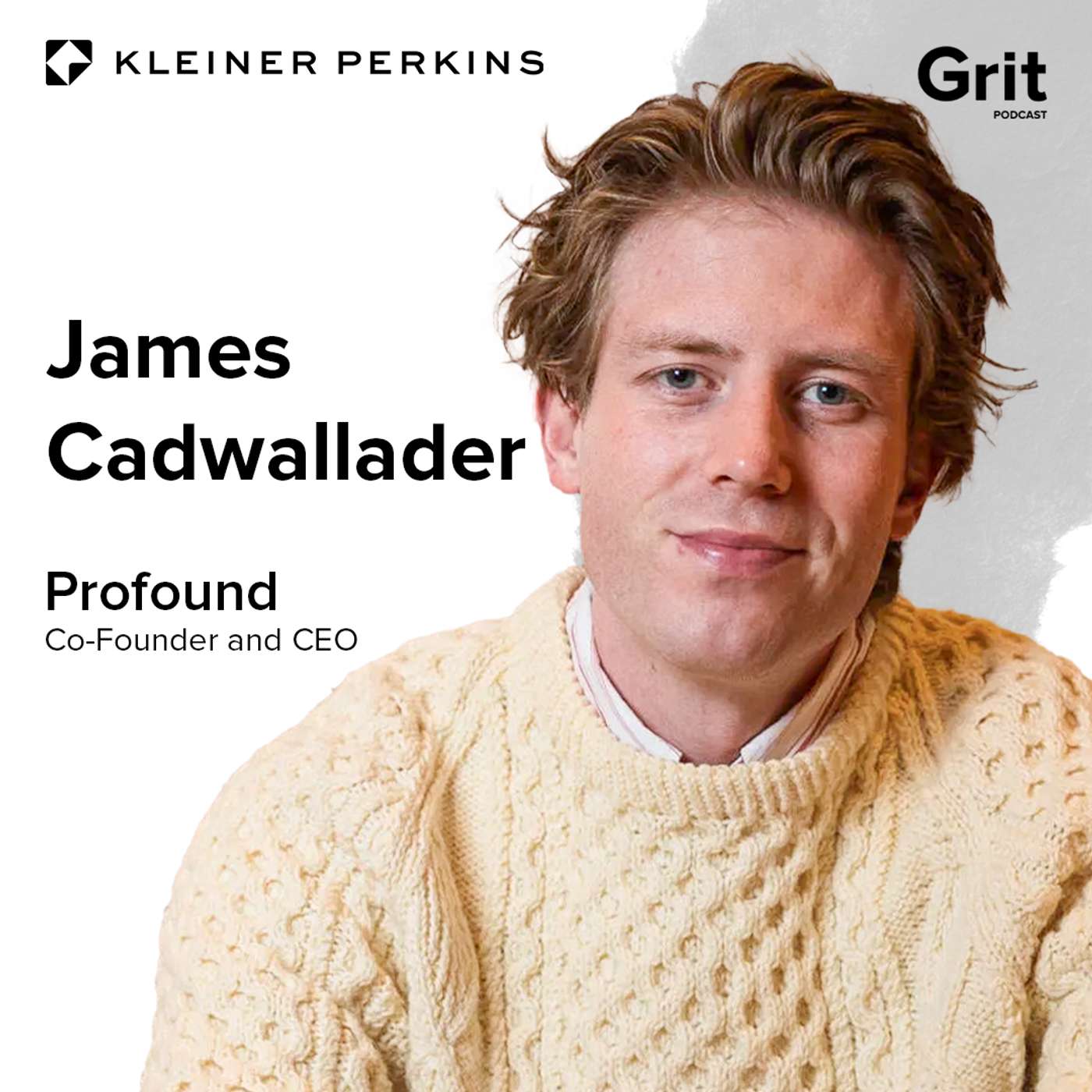
A scaling founder can avoid "breaking the model" during hypergrowth by hiring senior leaders with proven track records in similar environments. For example, Profound hired a CRO who previously scaled a company with the same target customer to $250M, bringing invaluable experience to manage chaos.
To increase the odds of success, Moonshot AI's founder advises choosing a startup path that operates in "easy mode." This framework involves selecting a market you're passionate about, leveraging the core strengths of the founding team, and aligning with strong market tailwinds. While no startup is easy, this approach simplifies key variables.

Early-stage founders often mistakenly hire senior talent from large corporations. These executives are accustomed to resources that don't exist in a startup. Instead, hire people who have successfully navigated the stage you are about to enter—those who are just "a few clicks ahead."

Delaying key hires to find the "perfect" candidate is a mistake. The best outcomes come from building a strong team around the founder early on, even if it requires calibration later. Waiting for ideal additions doesn't create better companies; early execution talent does.

Actively recruiting entrepreneurs whose own ventures recently failed brings in smart, driven individuals with high ownership and a hunger to prove themselves. This is invaluable in the early, capital-constrained days when you need a team with a founder's DNA.
Harvey CEO Winston Weinberg asserts that if you've never done a role, you will hire the wrong person 100% of the time. For first-time founders, spending even three months in a function provides the necessary context to understand the job's demands and successfully hire a leader for that position.
