Get your free personalized podcast brief
We scan new podcasts and send you the top 5 insights daily.
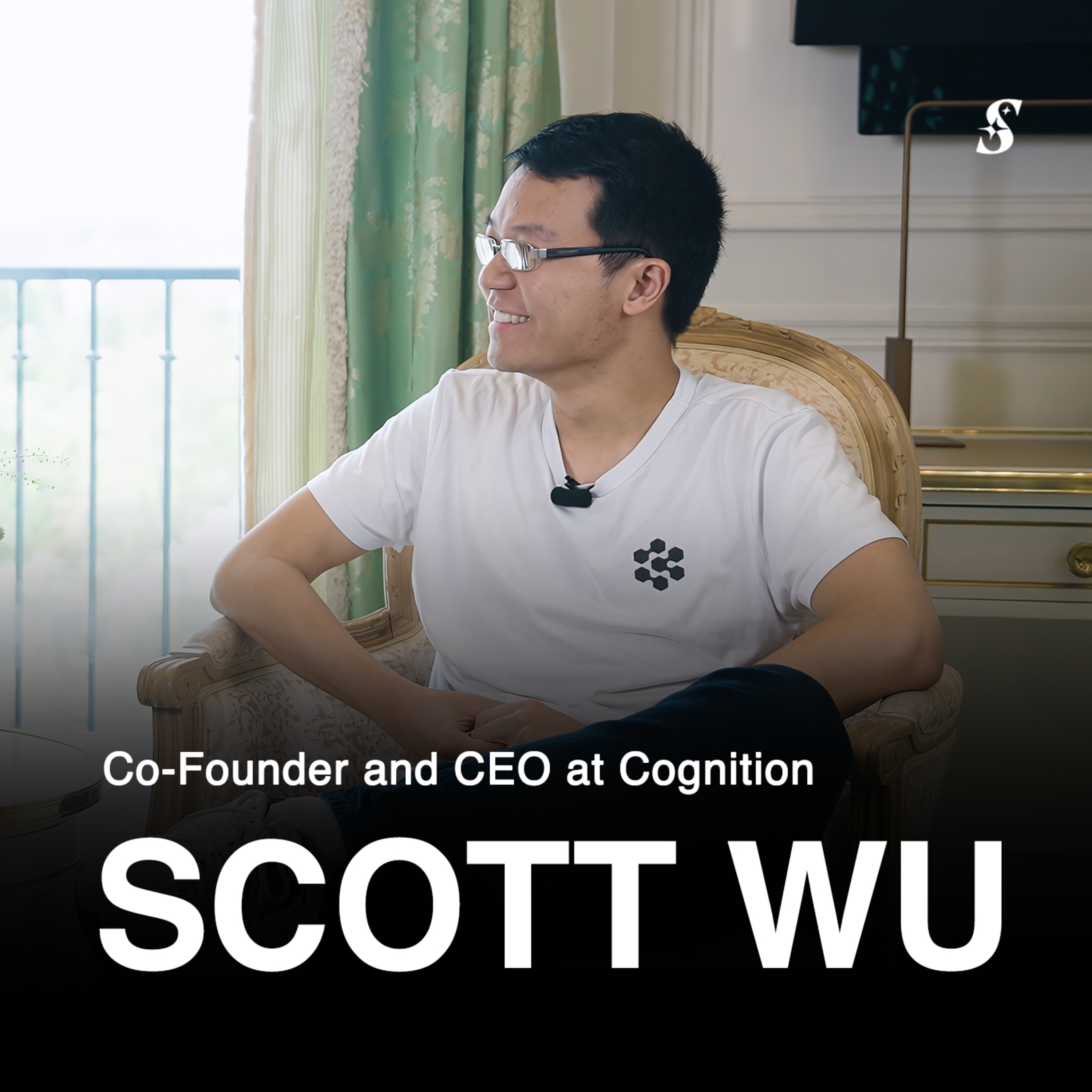
Cognition's early hiring strategy deliberately targeted former founders, resulting in over half its initial team having prior startup experience. This created a culture of ambition, entrepreneurial spirit, and first-principles thinking, which was crucial for tackling complex challenges like M&A and rapid scaling.
Related Insights
The initial group of employees beyond the founders is the most critical for scaling. They form the first "concentric circle" and are responsible for hiring the next layer. Getting this group right establishes a high talent bar and a strong culture that perpetuates itself.

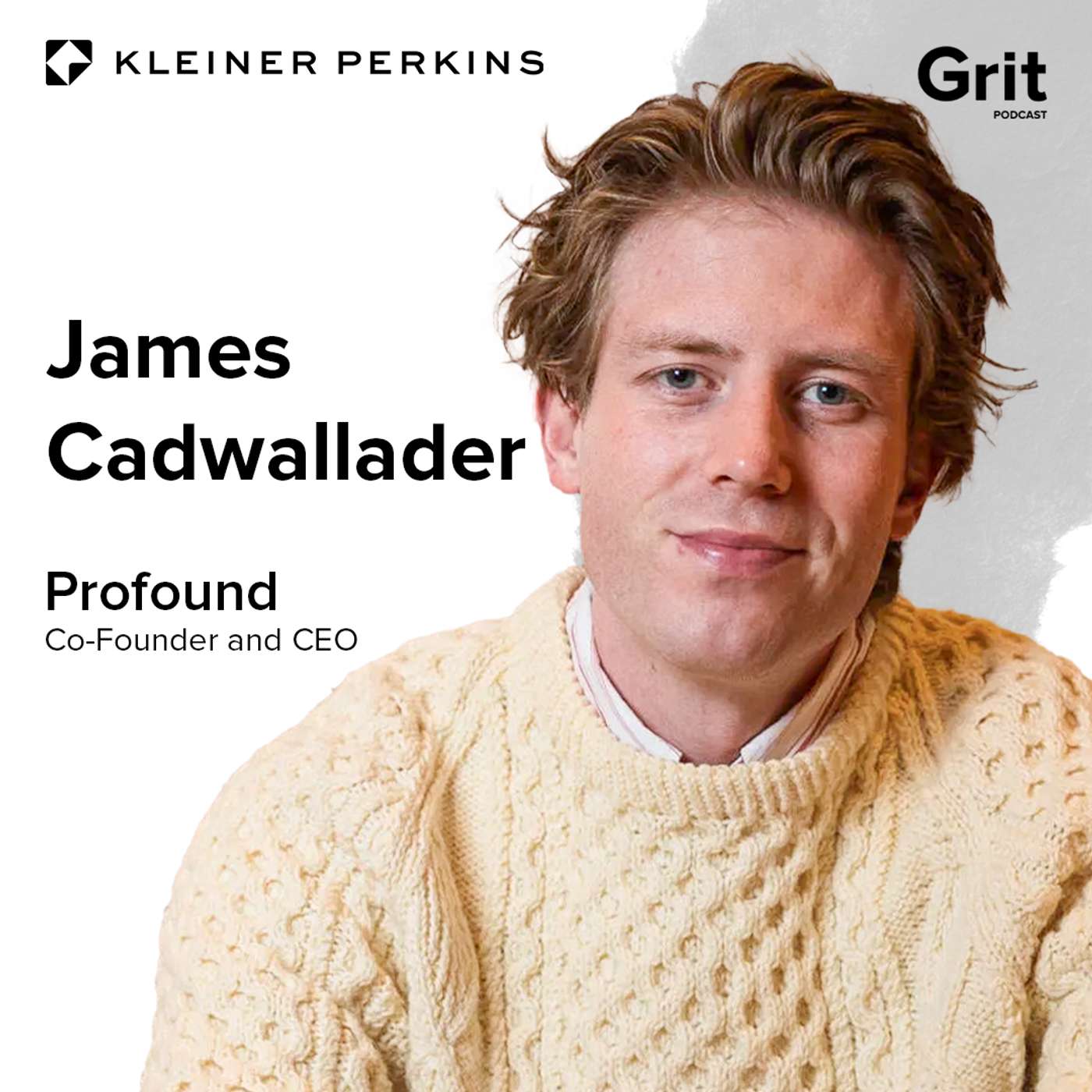
A scaling founder can avoid "breaking the model" during hypergrowth by hiring senior leaders with proven track records in similar environments. For example, Profound hired a CRO who previously scaled a company with the same target customer to $250M, bringing invaluable experience to manage chaos.
Base Power's culture of execution was set by its first ~10 hires—senior leaders from Tesla and SpaceX who initially worked as individual contributors. This "lead from the front" model, where leaders still do IC work, cascaded through the company as it scaled to 250 people.

Early-stage startups thrive on rapid iteration. Seek hires who can 'get shit done at an incredible clip' and make decisions at '100 miles per hour,' even if some are wrong. These individuals, often 'rough around the edges,' are more valuable than candidates with perfect paper pedigrees from large tech companies.

Avoid hiring a growth leader with a big-name pedigree for your early team, as they are often unsuited for the necessary hands-on experimentation. Instead, seek young, hungry builders who are motivated by chaos and comfortable rebuilding their own work as the company's needs evolve.

Actively recruiting entrepreneurs whose own ventures recently failed brings in smart, driven individuals with high ownership and a hunger to prove themselves. This is invaluable in the early, capital-constrained days when you need a team with a founder's DNA.
The first five people you hire are more than just employees; they are the architects of your company's culture. Prioritize hiring 'A players' with integrity and a will to win. They will attract other A players, whereas 'B players' will hire 'C players' out of fear, degrading the talent pool.

Experienced founders have a critical advantage: they can personally vet key hires based on years of observation. First-time founders often rely on their board's recommendations, which can lead to mismatched hires ("organ rejection") because they lack the firsthand context to judge fit.

Aravind Srinivas intentionally avoids hiring candidates with established track records from large tech companies. He believes people hungry for their first major success are more motivated and better suited for a startup's intensity than those who may be less driven after a previous big win.

Brex actively recruits former and future founders, embracing that they will likely leave to start new companies. This attracts ambitious talent who want to learn at scale before their next venture, creating a powerful employee value proposition.
