Get your free personalized podcast brief
We scan new podcasts and send you the top 5 insights daily.
Chinese laborers used actual snake oil, rich in omega-3s, to soothe muscles. American entrepreneur Clark Stanley created a fake version with mineral oil and beef fat and marketed it deceptively at the 1893 World's Fair, creating the negative 'snake oil salesman' stereotype.

Related Insights
The public's deep mistrust of the pharmaceutical industry isn't baseless; it's rooted in the 1990s cultural shift toward a shareholder-first, 'greed is good' philosophy. This era led to questionable practices that created lasting cracks in public trust that the industry must still actively work to repair.

When mainstream consumers, not just niche biohackers, are willing to navigate untrusted channels and high friction to acquire peptides, it serves as a powerful proxy for massive underlying demand. This signals a huge opportunity for a company that can provide trustworthy and easy access.

When evaluating persuasive messaging, separate the craft from the content. Highly effective marketing for a poor product isn't 'bad storytelling'—it's 'evil storytelling.' This distinction is crucial for understanding how misleading narratives can be successful and for building ethical ones in contrast.

Lauder realized women rarely bought perfume, seeing it as a scandalous gift received from men. She sidestepped this cultural barrier by creating "Youth Dew," a bath oil that doubled as a perfume. This genius reframing gave women permission to buy a luxury for themselves, creating an entirely new market.

The 1970s marked a shift where major food corporations, driven by market pressure, began systematically replacing natural ingredients with cheaper, ultra-processed substitutes. This move, aimed at boosting earnings per share, created the foundation for today's 'poisonous' food system and rising chronic disease.

The demand for unregulated peptides isn't just from niche biohackers; it's also from older individuals seeking relief for conditions like chronic joint pain where traditional medicine offers few effective solutions. This highlights a significant unmet need driving patients to experimental substances.
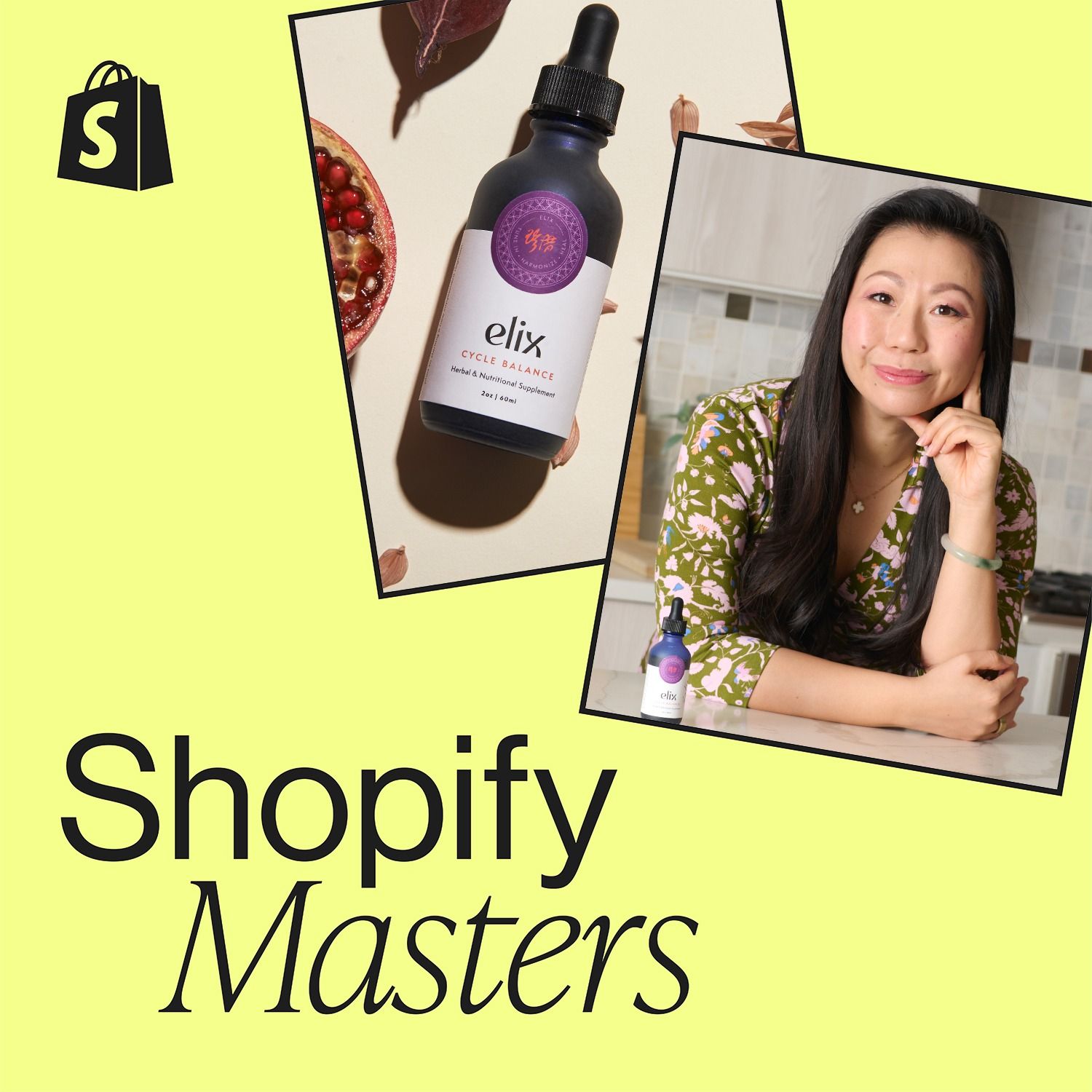
During a period of rising anti-Chinese sentiment, Elix discovered its greatest strength was its heritage. Customers were drawn to the unique educational framework of Chinese medicine for understanding their bodies, proving that leaning into a niche identity can be a powerful differentiator.
Not all fish oil is beneficial; polyunsaturated fats are prone to oxidation, which can be harmful. Consumers should consult third-party testers like IFOS and specifically look for a TOTOX (total oxidation) value under 10 to ensure the product is potent and free from rancid, inflammatory fats.

The trend of biohacking with peptides and microdosing is more than a fad; it's a direct signal of profound frustration with the traditional healthcare system. Accelerated by a post-COVID loss of trust in institutions, people are increasingly taking their health into their own hands, seeking alternative solutions.

Modern advertising weaponizes fear to generate sales. By creating or amplifying insecurities about health, social status, or safety, companies manufacture a problem that their product can conveniently solve, contributing to a baseline level of societal anxiety for commercial gain.
