Get your free personalized podcast brief
We scan new podcasts and send you the top 5 insights daily.
Marcia Kilgore's Beauty Pie bypasses the traditional multi-layer distribution system where markups can exceed 1200%. By selling high-end products directly to consumers at the price they land in the warehouse, the company offers luxury quality at a fraction of the typical retail cost.

Related Insights
Unlike makeup brands with hundreds of SKUs, Beauty Blender launched with just one product. This simplicity made inventory management, financial commitments, and scaling into thousands of retail doors significantly easier and less capital-intensive for the self-funded company.
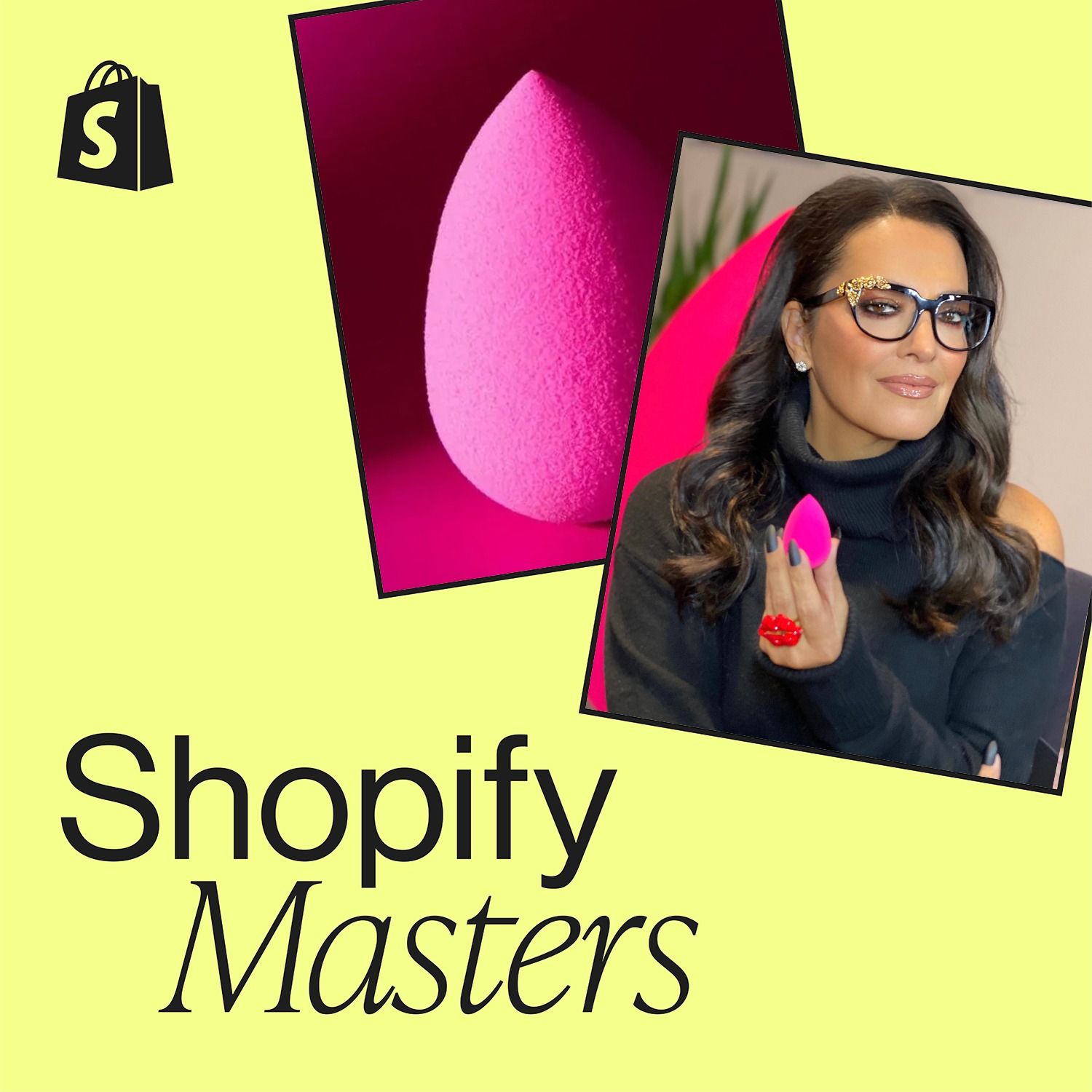
The company never proactively pitched major retailers. Instead, they focused on creating a powerful digital presence and a superior product. This strategy made the brand so desirable that major players like Sephora initiated the partnership, flipping the traditional wholesale sales dynamic.
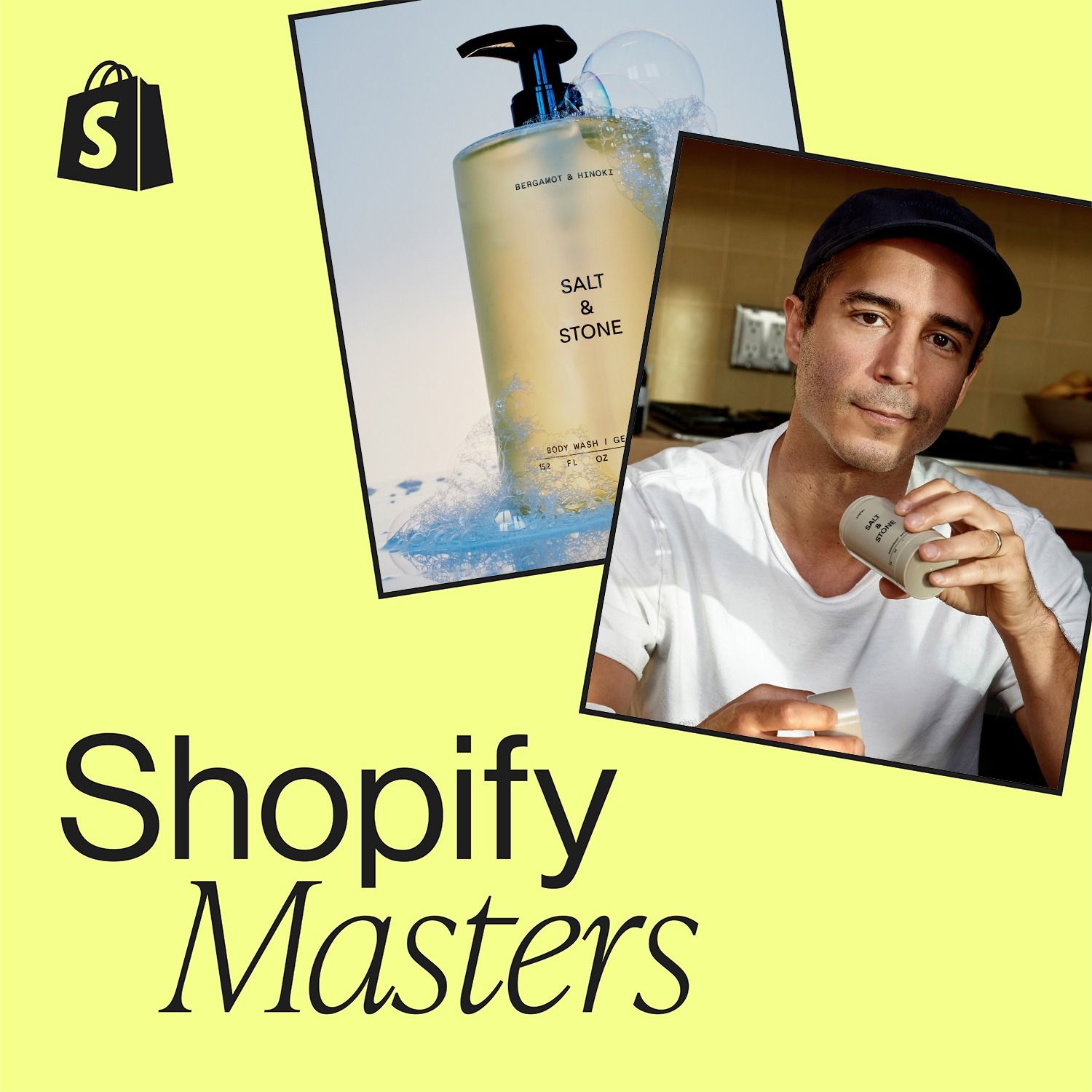
Numi initially used a wholesale model but found it ineffective. They were relying on third-party retail staff to explain a new product category and address the social stigma around sweating. Shifting to direct-to-consumer (DTC) allowed them to control the narrative, educate customers directly, and grow 300%.
Traditional supermarkets derive significant revenue from suppliers through slotting fees and co-op marketing. Trader Joe's rejects this entire "shadow economy," making money only when a customer buys a product. This aligns their incentives completely with the customer, ensuring shelf space is earned by demand, not supplier payments.
e.l.f.'s core strategy isn't just affordability; it's the democratization of high-end beauty. The company intentionally identifies top-performing prestige products, re-engineers them with an 'e.l.f. twist,' and offers them at a dramatically lower price point. This creates incredible value and disrupts the market from the bottom up.

By manufacturing in-house, Buy Rosie Jane maintained profitability and control over its cash flow. This vertical integration was the key that allowed the bootstrapped company to handle large purchase orders from major retailers like Anthropologie and Sephora without needing outside investment.

Elf's CEO believes it's immoral to charge consumers inflated prices for beauty products when high-quality, affordable alternatives are possible. This reframes the "dupe" strategy from a competitive tactic to a consumer-centric mission, especially for budget-conscious demographics.

Costco's business model is unique: it aims to break even on merchandise sales. This allows it to offer the lowest possible prices, building immense customer loyalty. The company's entire operating profit is derived from its annual membership fees, which represent only 2% of total revenue.

Elf maintains low prices by embedding its own quality control and lean manufacturing teams within partner supplier facilities. This hybrid model gives them a high degree of control over cost and speed, allowing them to sell products like a $3 lipstick profitably, even amidst inflation and tariffs.
The core value of department stores like Saks was curating multiple luxury brands in one place. However, with brands like Louis Vuitton building their own flagship stores and generating 95% of sales directly, they have bypassed the middleman. This direct access to consumers makes the traditional department store model obsolete.