Get your free personalized podcast brief
We scan new podcasts and send you the top 5 insights daily.
e.l.f.'s core strategy isn't just affordability; it's the democratization of high-end beauty. The company intentionally identifies top-performing prestige products, re-engineers them with an 'e.l.f. twist,' and offers them at a dramatically lower price point. This creates incredible value and disrupts the market from the bottom up.

Related Insights
Despite knowing customers would pay far more, Shopify intentionally underpriced its product. This lowered the barrier to entry for entrepreneurs, focusing on massive user acquisition and solving merchant problems first.

Elf Beauty's CEO, Tarang Amin, reframes copying expensive prestige products ('dupes') as a moral duty. He argues it's immoral to charge consumers excessively for products that can be made with equal or better quality for a fraction of the price, especially when many consumers live paycheck to paycheck.

CMO Kory Marchisotto outlines a five-step formula for creating breakthrough work: 1. Tune in to your customer. 2. Dream big (head in the stars). 3. Execute pragmatically (feet on the ground). 4. Move fast at the speed of culture. 5. Have fun, because it shows in the work.
![Why you need to know your e.l.f.ing numbers with Kory Marchisotto [Uncensored Renegades] thumbnail](https://img.transistorcdn.com/26qfoz7hFm2pva8nC1NvuTOrbTndCNI1cWQmLXEY_W0/rs:fill:0:0:1/w:1400/h:1400/q:60/mb:500000/aHR0cHM6Ly9pbWct/dXBsb2FkLXByb2R1/Y3Rpb24udHJhbnNp/c3Rvci5mbS8zY2Zk/YTM5OWVmNjE0Njcw/NjFlMTBhYWE1OGNm/Y2Y0NS5wbmc.jpg)
e.l.f. tailors its distribution strategy to each retailer's unique audience without diluting its core brand. For Dollar General, it serves 'beauty deserts' in rural areas, bringing in new cosmetic shoppers. This illustrates how a brand can maintain a consistent identity while adapting its channel strategy to capture entirely different market segments.
Instead of seeking synergies by integrating acquired companies like Hailey Bieber's Rhode, Elf Beauty keeps the founder and their team in place. The goal is to provide resources like sales support and R&D to help the founder's original vision scale faster, avoiding common M&A pitfalls.
Elf's CEO believes it's immoral to charge consumers inflated prices for beauty products when high-quality, affordable alternatives are possible. This reframes the "dupe" strategy from a competitive tactic to a consumer-centric mission, especially for budget-conscious demographics.
A smart growth strategy is to ignore fleeting micro-trends and instead focus on proven bestsellers. By creating variations and expanding on successful designs, brands can develop entirely new product categories based on existing customer love.
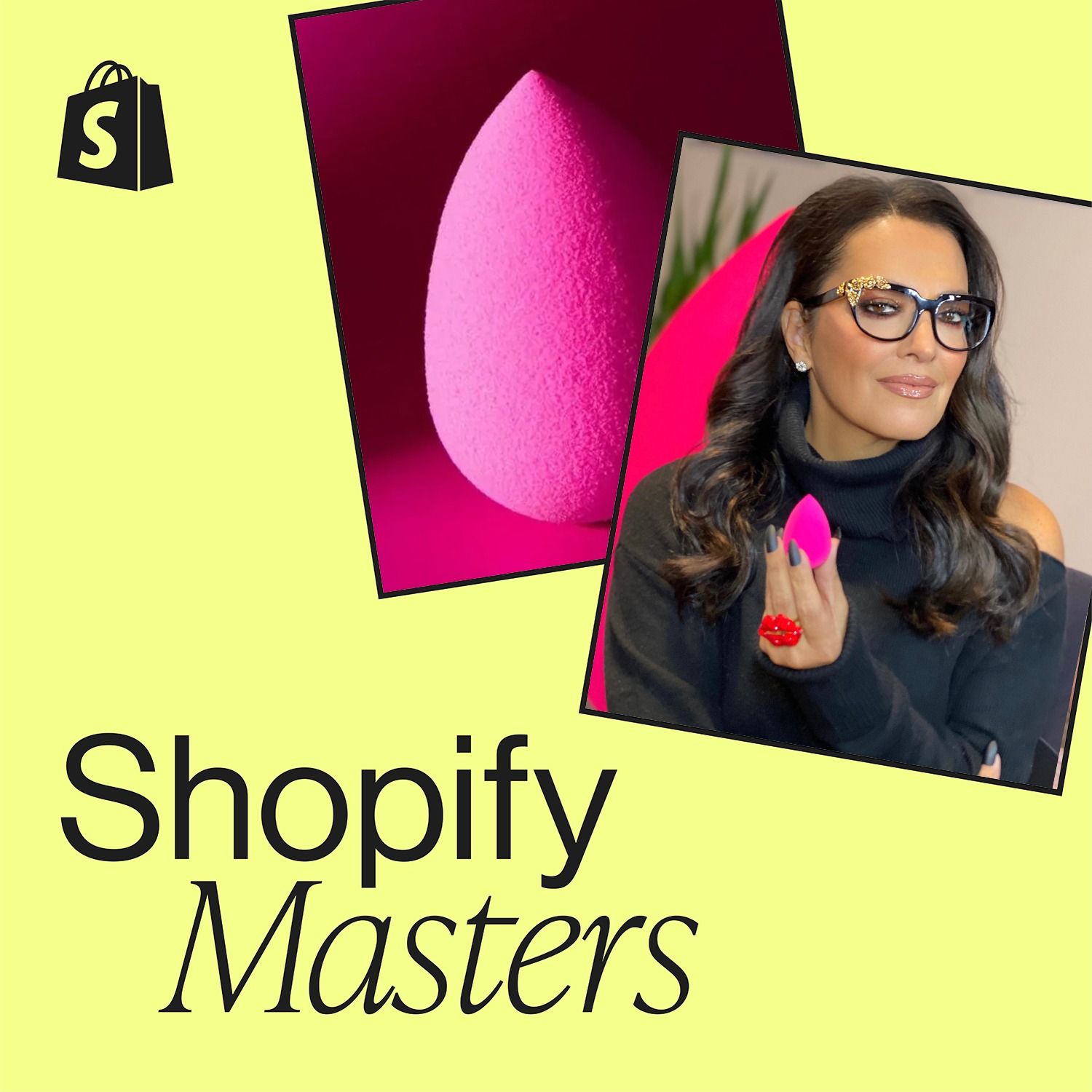
Initially threatened by dupes, Rianne Silva reframed them as a necessary market force. The existence of cheaper alternatives allowed Beauty Blender to constantly reinforce its own story of originality, quality, and superior performance, strengthening its premium brand positioning.
Elf's CEO asserts the company is in the "entertainment industry," not beauty. This mindset shifts their marketing focus from selling products to delighting their community. It justifies tactics like a Twitch channel or airdropping care packages, which build brand love over direct ROI.
Elf maintains low prices by embedding its own quality control and lean manufacturing teams within partner supplier facilities. This hybrid model gives them a high degree of control over cost and speed, allowing them to sell products like a $3 lipstick profitably, even amidst inflation and tariffs.