Get your free personalized podcast brief
We scan new podcasts and send you the top 5 insights daily.
The Trump-Xi summit lacks a deep policy agenda. Its primary purpose is for Trump to create a spectacle and change the news cycle, flipping the traditional dynamic where the US trades symbolism for Chinese concessions. The meeting is more about optics for Trump than substantive diplomacy.

Related Insights
The summit represents a temporary lull in an ongoing, long-term competition, not a fundamental shift toward resolution. Beijing views it as a tactical 'test of wills' to buy time and strengthen its capabilities while maintaining a competitive mindset.

Issues of status and visual symbolism, like the 1793 British 'kowtow' debate, remain central to China's diplomatic protocol. This historical precedent informs how Xi Jinping strategically manages optics with President Trump to assert China's standing and project a specific narrative.
Investors should prioritize the summit's diplomatic tone over tangible trade deals. Language indicating continued negotiation and future cooperation is the most critical signal for how the U.S.-China relationship will evolve, impacting long-term market sentiment more than minor concessions.

The recent lack of anti-China rhetoric from the Trump administration, including zero mentions at the State of the Union, is a deliberate tactical truce. The goal is to stabilize relations and create a favorable environment for an upcoming presidential summit with Xi Jinping, which the administration wants to be a major success.

Historically, the U.S. traded diplomatic form (e.g., pageantry) for substantive policy concessions from China. Trump's intense focus on receiving "face" flips this dynamic, allowing China to achieve its substantive goals—like buying time from U.S. pressure—at the low cost of theatrical praise.
Expectations for the Trump-Xi summit are so low that preventing a complete collapse of talks is considered a positive outcome. After nearly triggering a global recession, the primary goal is stability, not a "grand bargain." The mere act of meeting is significant, as it marks the first visit by a US leader in nearly a decade, reframing success as crisis management.
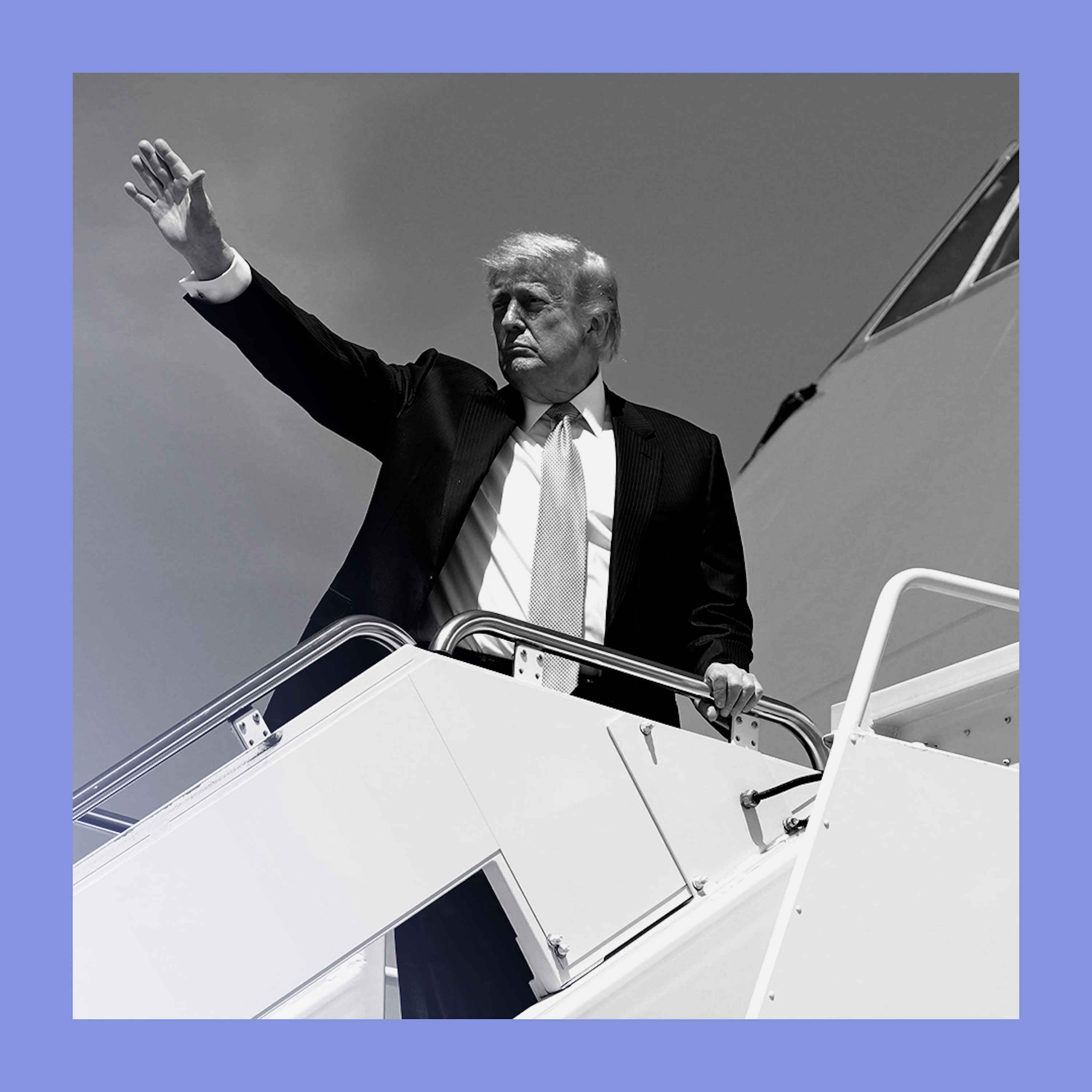
Applying first principles, Donald Trump's tendency is to heavily promote any perceived success. The complete lack of fanfare following his high-profile summit with Xi Jinping strongly suggests the meeting did not go well for the US and that China made no concessions.

The Trump-Xi summit appeared successful because it carefully avoided substantive engagement on the most difficult issues like Taiwan and trade imbalances. By creating positive atmospherics and "kicking the can down the road" on intractable problems, both leaders could claim a victory without making real concessions.

High-stakes meetings between US and Chinese leaders may focus more on projecting positive "mood music" than achieving concrete outcomes. For a US president needing a foreign policy win, China can offer the appearance of cooperation, such as promising future purchases, without making significant concessions on core security or technology issues.
A summit like the Trump-Xi meeting, which includes an entourage of top CEOs, is too high-profile to risk failure. Its primary purpose is likely ceremonial, designed to publicly ratify significant deals that have already been secretly negotiated to avoid political embarrassment and ensure a successful outcome.