Get your free personalized podcast brief
We scan new podcasts and send you the top 5 insights daily.
The summit represents a temporary lull in an ongoing, long-term competition, not a fundamental shift toward resolution. Beijing views it as a tactical 'test of wills' to buy time and strengthen its capabilities while maintaining a competitive mindset.

Related Insights
Beyond official diplomacy, direct meetings with US leaders like President Trump provide unfiltered data for Beijing. China's intelligence services analyze off-the-cuff remarks about domestic politics and strategic priorities to build a psychological profile and assess US weaknesses.
High-level diplomatic meetings between US and Chinese leaders are largely performative, designed to create positive "mood music." The true, underlying relationship is defined by a deep and persistent lack of trust between the two nations' security apparatuses, which continues unabated.
High-level diplomatic summits between the U.S. and China are likely to produce positive public rhetoric and a cooperative tone. However, this is merely “mood music.” Behind the scenes, the security and intelligence apparatus in both nations continues to operate with deep suspicion, viewing the other as an implacable adversary.

While the US administration celebrated a deal, China's official media has remained silent, only mentioning a need to finalize follow-up steps. This discrepancy suggests Beijing views the agreement as a tentative pause, waiting to see US actions before fully committing.
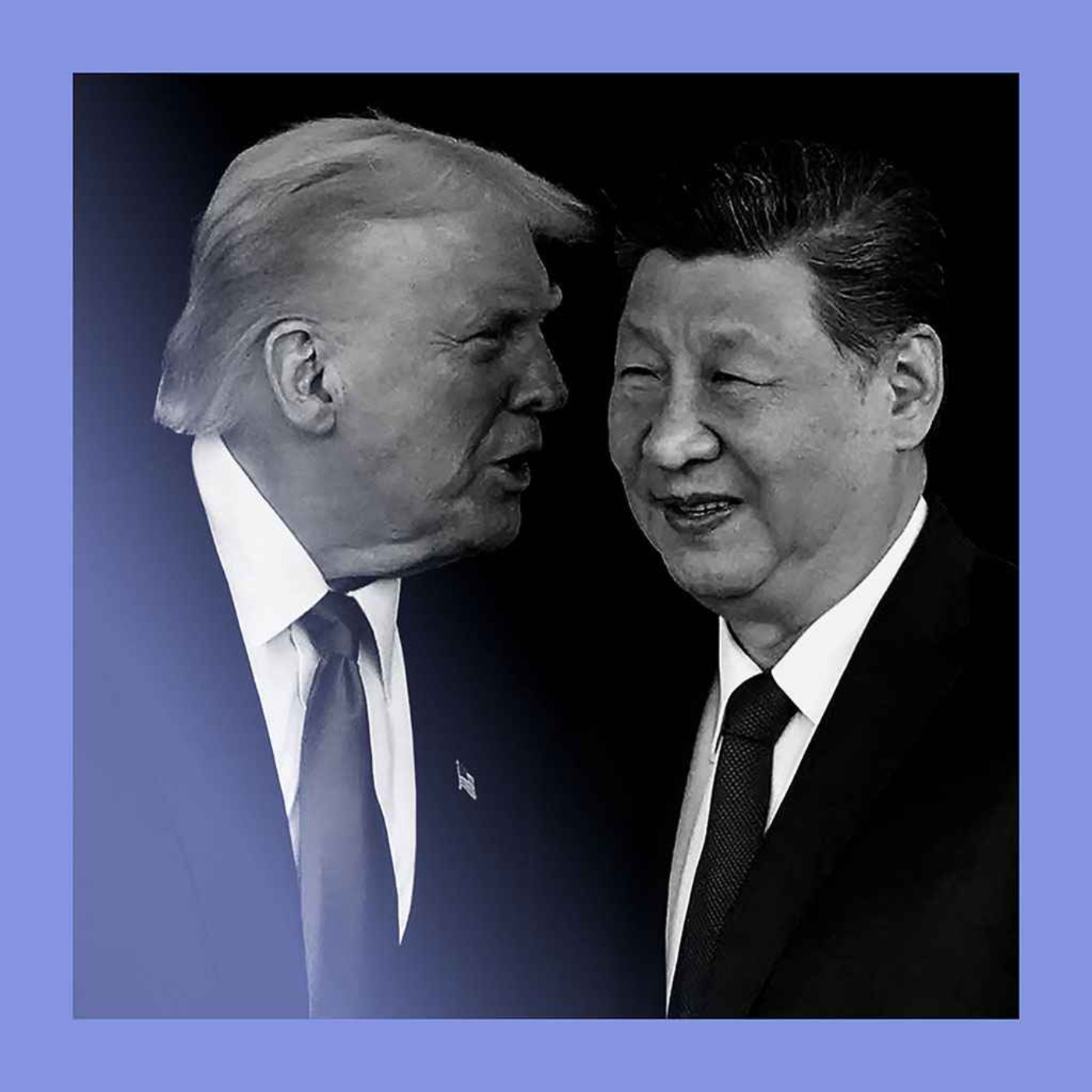
The recent lack of anti-China rhetoric from the Trump administration, including zero mentions at the State of the Union, is a deliberate tactical truce. The goal is to stabilize relations and create a favorable environment for an upcoming presidential summit with Xi Jinping, which the administration wants to be a major success.

The recent trade truce is a transactional deal focused on marketable items like soybeans and TikTok. It conveniently sidesteps fundamental, long-term conflicts such as China's industrial policy, semiconductor competition, and military tensions, making the truce fragile and the broader relationship unstable.
The deep economic interdependence between the U.S. and China makes a full "decoupling" too costly for either side. Instead of a clean break or a lasting peace, the relationship will likely be defined by a continuous cycle of targeted disputes, negotiations, and temporary agreements.

Beijing believes that as the U.S. midterm elections approach, the Trump administration will feel increasing pressure to secure a tangible "win" or deal. By prolonging negotiations, China aims to maximize its leverage and extract more favorable terms, mapping this strategy from the first trade war.
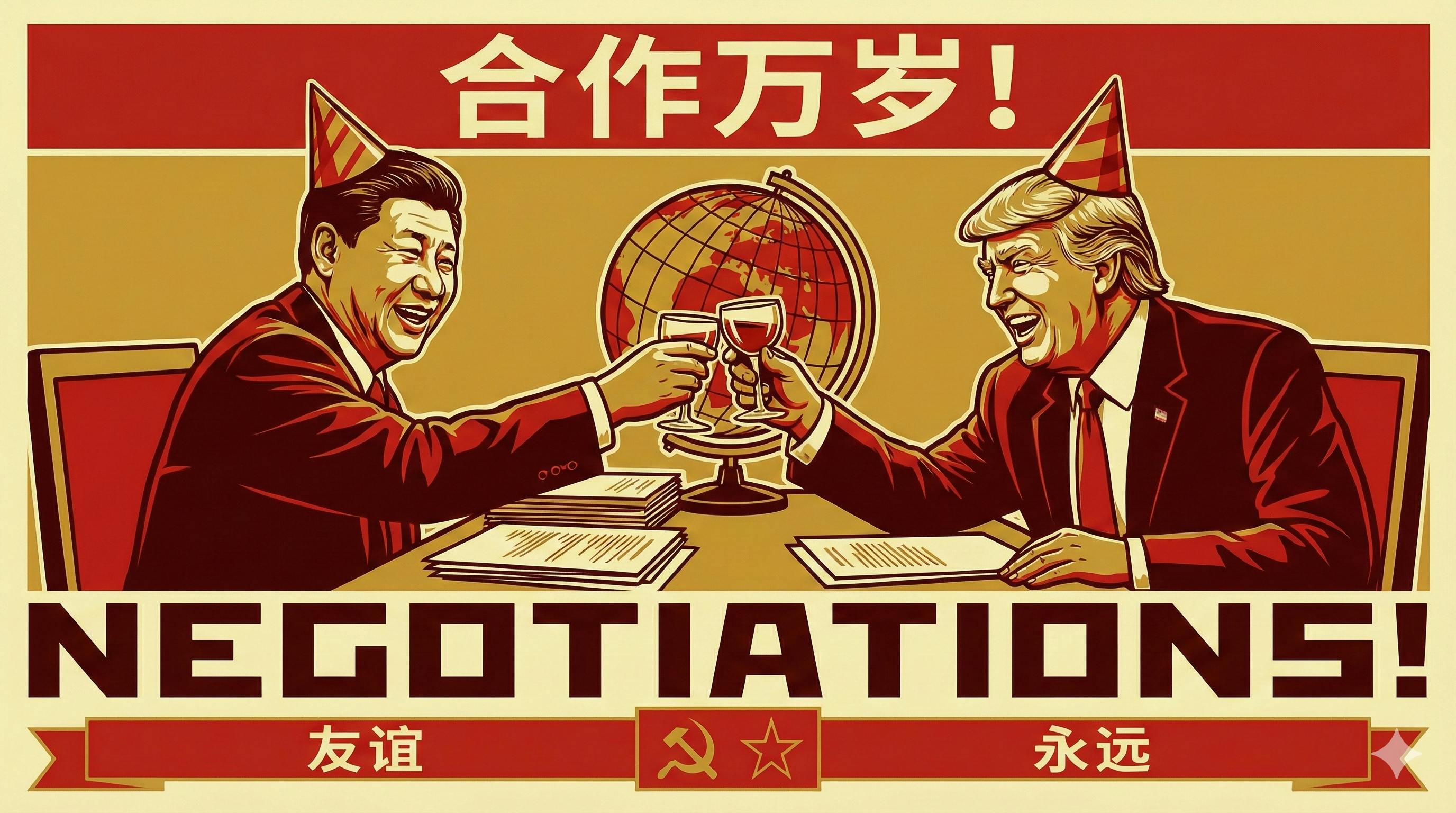
Despite a large delegation of US tech CEOs attending, the Trump-Xi summit's agenda is dominated by the war in Iran. This shows how geopolitical proxy conflicts are hijacking direct superpower negotiations, pushing crucial discussions on GPUs, AI supply chains, and export restrictions to the background.

Recent trade talks deliberately sidestepped core geopolitical issues like Taiwan and the South China Sea. This highlights that economic agreements are merely treating symptoms. The fundamental problem is a geopolitical power struggle, which will continue to undermine any economic progress.