Get your free personalized podcast brief
We scan new podcasts and send you the top 5 insights daily.
Historically, the U.S. traded diplomatic form (e.g., pageantry) for substantive policy concessions from China. Trump's intense focus on receiving "face" flips this dynamic, allowing China to achieve its substantive goals—like buying time from U.S. pressure—at the low cost of theatrical praise.

Related Insights
Issues of status and visual symbolism, like the 1793 British 'kowtow' debate, remain central to China's diplomatic protocol. This historical precedent informs how Xi Jinping strategically manages optics with President Trump to assert China's standing and project a specific narrative.

The recent lack of anti-China rhetoric from the Trump administration, including zero mentions at the State of the Union, is a deliberate tactical truce. The goal is to stabilize relations and create a favorable environment for an upcoming presidential summit with Xi Jinping, which the administration wants to be a major success.

The Trump-Xi summit appeared successful because it carefully avoided substantive engagement on the most difficult issues like Taiwan and trade imbalances. By creating positive atmospherics and "kicking the can down the road" on intractable problems, both leaders could claim a victory without making real concessions.

Trump's strategy of publicly bullying and belittling allies backfires on the international stage. Unlike in domestic politics, sovereign nations have viable alternatives. This approach forces them to save face by aligning with rivals like China, even if it's not in their long-term best interest.

Trump's team appeared overly impressed by the red-carpet treatment in China. This public display of admiration ceded valuable "face" to Beijing without securing substantive concessions, a move that Chinese leadership would likely never reciprocate.
Beijing believes that as the U.S. midterm elections approach, the Trump administration will feel increasing pressure to secure a tangible "win" or deal. By prolonging negotiations, China aims to maximize its leverage and extract more favorable terms, mapping this strategy from the first trade war.
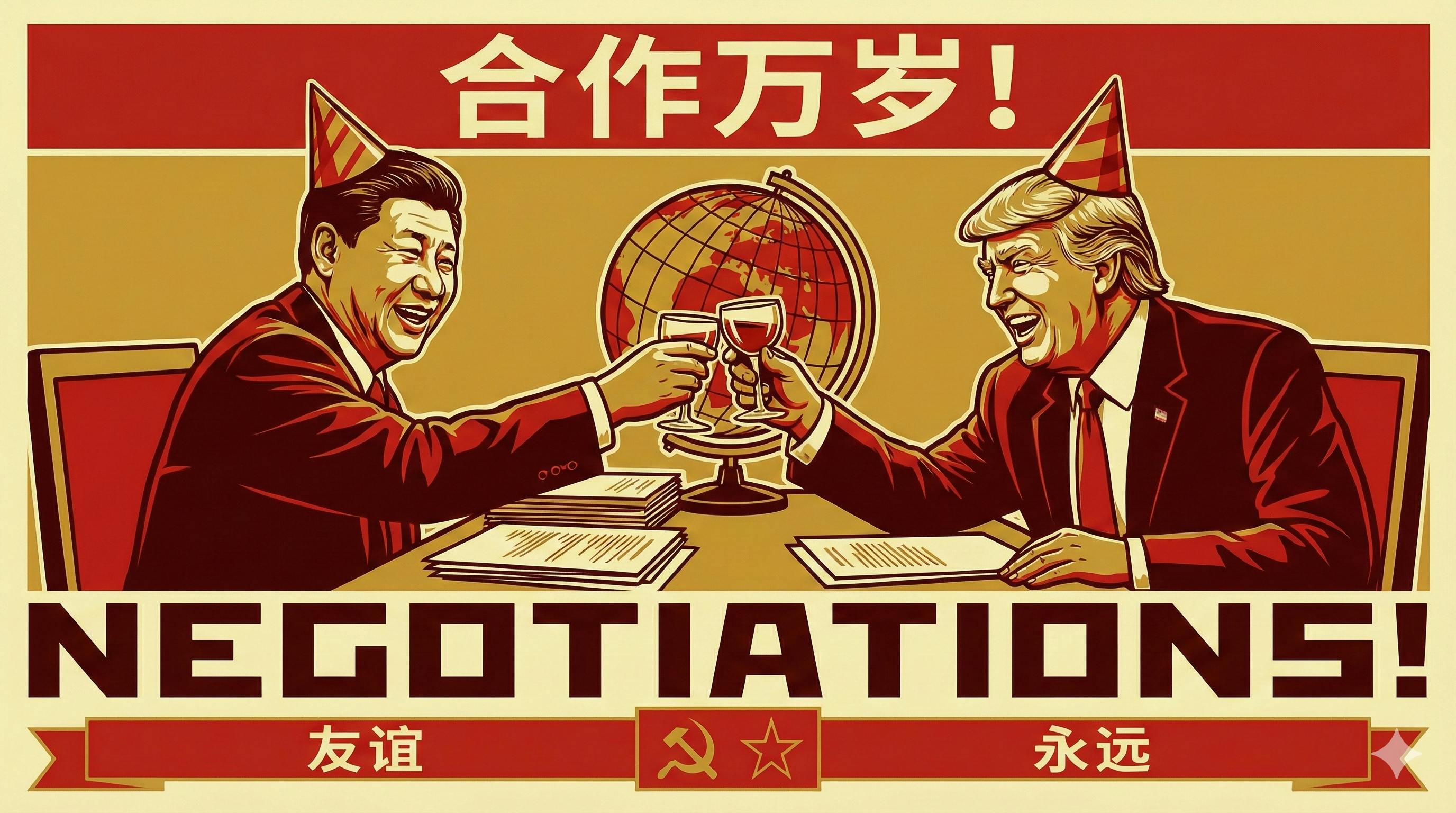
Trump's effusive expressions of respect and friendship towards Xi Jinping, while potentially synthetic, effectively leveraged the Chinese leadership's desire for "mutual respect." This personal approach created a positive atmosphere, serving as a transactional tool to smooth diplomatic interactions.
For the first time in history, China's leader, Xi Jinping, is negotiating from a position of relative strength compared to the U.S. president. This power shift is driven by China's larger manufacturing base, peer-level technology, and ability to weaponize control over critical economic resources like rare earth minerals.

High-stakes meetings between US and Chinese leaders may focus more on projecting positive "mood music" than achieving concrete outcomes. For a US president needing a foreign policy win, China can offer the appearance of cooperation, such as promising future purchases, without making significant concessions on core security or technology issues.
The latest U.S. National Security Strategy drops confrontational rhetoric about China as an ideological threat, instead framing the relationship around economic rivalry and rebalancing. This shift prioritizes tangible deals over promoting American values globally, marking a departure from Reagan-era foreign policy.
