Get your free personalized podcast brief
We scan new podcasts and send you the top 5 insights daily.
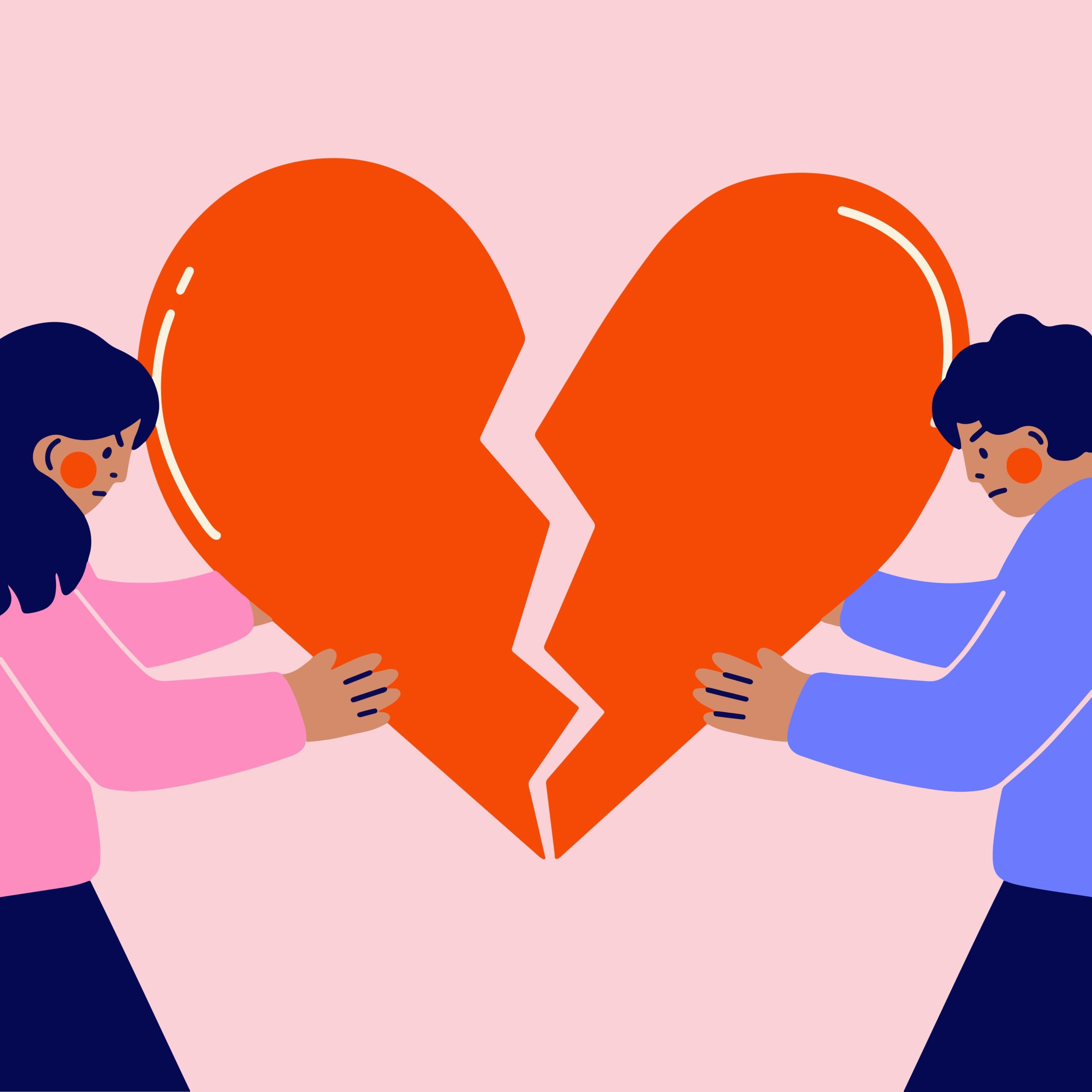
People often avoid difficult relationship conversations because they feel scared. However, bravery is not the absence of fear; it is acting despite being afraid. A healthy marriage requires this courage—the willingness to address tough issues even when it is uncomfortable.

Related Insights
Shaka Senghor provides a powerful reframe of courage, arguing it is not the absence of fear. In fact, one cannot be courageous without first being afraid. Courage is simply the decision to move forward and take action in the presence of fear.

The primary obstacle to courage isn't fear itself, but the defensive mechanisms we use to avoid feeling it. This protective 'armor,' while instinctual, ultimately disconnects us from our values and meaningful connections. The most difficult work is recognizing these automatic, self-sabotaging responses when we're afraid.

During a shared trauma, couples often fail to communicate, leading to resentment. The solution isn't to pretend everything is okay, but to have the courage to state the problem bluntly (e.g., "This is a disaster... I don't like you right now"). This directness breaks the stalemate and forces open communication.

Instead of avoiding a tough conversation, preface it by vulnerably sharing your fear of causing hurt. Stating, "I'm scared this will hurt you," invites the other person into your emotional process, turning a potentially adversarial moment into a collaborative one and strengthening the relationship.

The journey to bravery begins not by eliminating fear, but by first overcoming the shame associated with feeling it. Acknowledging fear as a natural, acceptable emotion is the critical first step. Only then can an individual progress to taming their fear and ultimately acting in spite of it.

The fear you feel before saying something difficult is a signal of its importance. Avoiding that conversation means you are prioritizing an imagined negative reaction over your own truth and the health of the connection. This avoidance is what allows resentment to build and ultimately damages relationships and organizations.

Courage isn't the absence of fear but the decision to act despite it. This reframes bravery from a fixed personality characteristic to a skill that can be developed by choosing to lean into fear and not let it dictate actions.
A common myth is that good relationships lack conflict. The reality is that the strength of a relationship is determined by its ability to manage and grow from conflict. The key metric is whether each argument makes the bond stronger (healing to 101%) or weaker (healing to 99%).

Conflict avoidance is not a sign of a healthy relationship. True intimacy is built through cycles of 'rupture and repair,' where disagreements are used as opportunities for deeper understanding. A relationship without conflict may be fragile, as its ability to repair has never been tested.
Couples in conflict often appear to be poor communicators. However, studies show these same individuals communicate effectively with strangers. The issue isn't a skill deficit, but a toxic emotional environment within the relationship that inhibits their willingness to collaborate.