Get your free personalized podcast brief
We scan new podcasts and send you the top 5 insights daily.
Ackman invested in Coupang despite thinking its initial "Groupon of South Korea" model was terrible. He bet on founder Bom Kim's talent, who later pivoted to build the "Amazon of South Korea," proving the person can matter more than the initial plan.

Related Insights
Extensive diligence on a seed-stage company's market or product is often wasted effort. The majority of successful seed investments pivot to a completely different business model, making the founding team's quality and resilience the most crucial factor to evaluate.

When you find a special founder, all other rules (ownership targets, valuation) can be broken. Andreessen echoes VC pioneer Arthur Rock's conclusion: he would have been a better investor by focusing 100% on the founder's resume and ignoring the business plan entirely. Great people trump everything else.

After a career spanning public markets, private equity, and operating, the ultimate investment lesson is simple: bet on exceptional people in big markets. Great founders will always figure out execution and pivots, making the person a more valuable signal than the initial idea or short-term traction.
Joe Tsai joined Alibaba when it had no revenue, no incorporated company, and a business plan he couldn't understand. He made the leap based entirely on Jack Ma's charisma and leadership qualities. His advice is to prioritize finding the right people to partner with over analyzing the initial idea.

When meeting Cursor's founder, the investor felt an "electric energy" even as the founder was pivoting away from his original idea. This highlights that for elite early-stage investors, the founder's intrinsic drive and potential are the constant to bet on, as ideas will inevitably change.
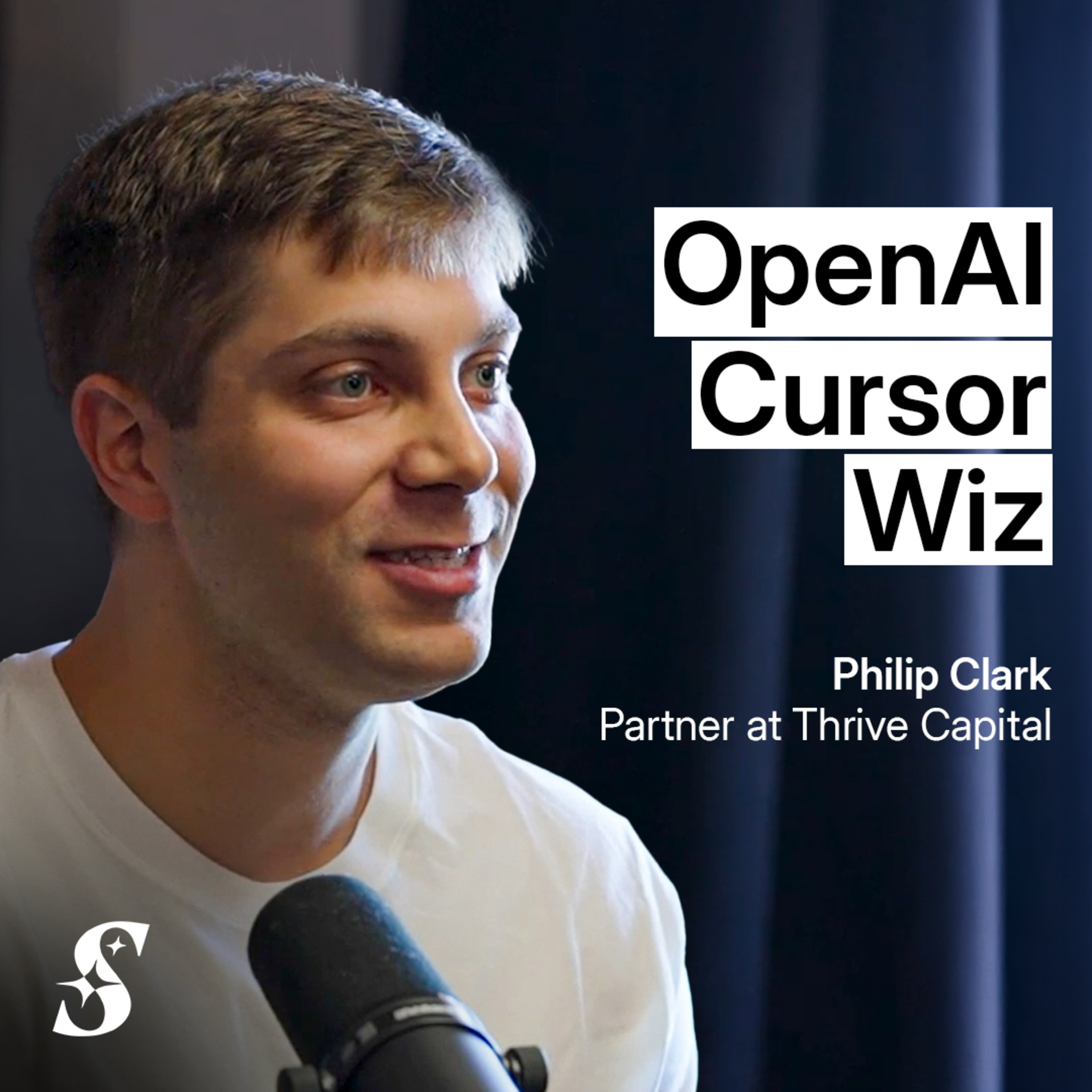
While product and market are crucial, the most important factor in an early-stage bet is the founder. This is because most startups pivot significantly. A resilient, adaptable founder who can execute through change is more valuable than a perfect initial idea, leading to the ranking: Founder > Market > Product.

A truly exceptional founder is a talent magnet who will relentlessly iterate until they find a winning model. Rejecting a partnership based on a weak initial idea is a mistake; the founder's talent is the real asset. They will likely pivot to a much bigger opportunity.

In early-stage investing, the quality of the founder can be more important than the initial business concept. A strong founder is seen as someone who will eventually find success, even if the first idea requires a pivot.
Lonsdale recounts passing on brilliant founders with seemingly terrible ideas, only to watch them pivot and build billion-dollar companies like Cursor. The lesson for early-stage investors is to prioritize backing exceptional, world-class talent, even if their initial concept seems flawed, as they possess the ability to find a winning strategy.

The quality of the founder is the single most important variable. A great founder with a mediocre plan will outperform a mediocre founder with a great plan. The best investment strategy is to back exceptional people and give them leeway, as they will create upside that breaks all precedents.
