Get your free personalized podcast brief
We scan new podcasts and send you the top 5 insights daily.
When you find a special founder, all other rules (ownership targets, valuation) can be broken. Andreessen echoes VC pioneer Arthur Rock's conclusion: he would have been a better investor by focusing 100% on the founder's resume and ignoring the business plan entirely. Great people trump everything else.

Related Insights
A16z's foundational belief is that founders, not hired "professional CEOs," should lead their companies long-term. The firm is structured as a network of specialists to provide founders with the knowledge and connections they lack, enabling them to grow into the CEO role and succeed.

a16z's investment philosophy is to assess founders on how world-class they are at their core strengths. Horowitz warns it's a mistake to pass on a uniquely talented founder due to fixable weaknesses (e.g., no go-to-market plan) and an equal mistake to back a less talented founder just because they lack obvious flaws.
A VC recounts advising founders to accept a massive acquisition offer during a market bubble, but they refused. Prioritizing his 'people-first' philosophy, he supported their decision to continue building. This choice ultimately cost the company, investors, and employees a potential $25-30 billion outcome when the market later corrected, highlighting a major conflict between financial optimization and founder support.

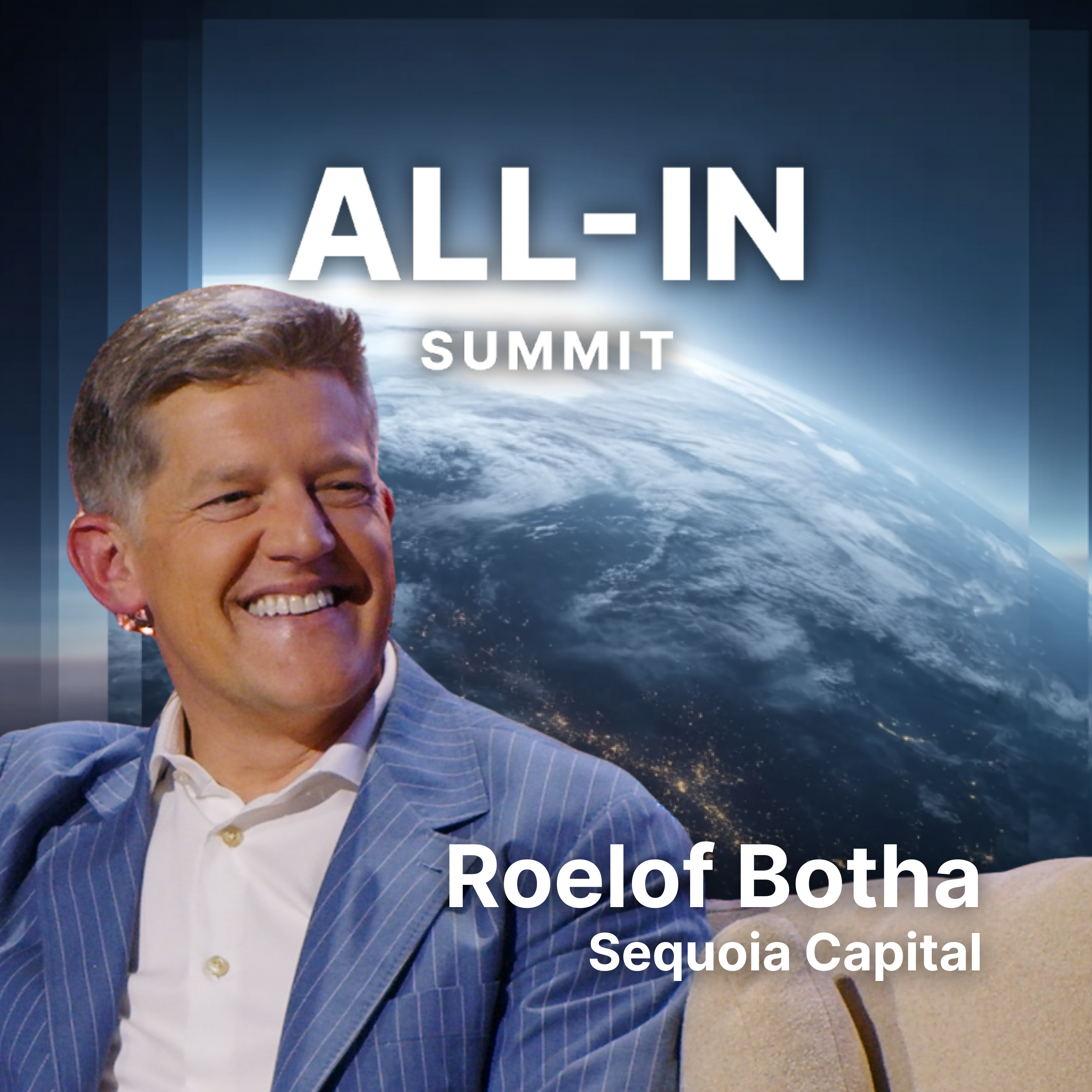
Sequoia's founder taught that the best investments are in individuals who are both exceptional and "not so easy to get along with." These founders challenge convention and refuse to accept the world as it is, a trait that makes them unconventional but also uniquely capable of building category-defining companies.
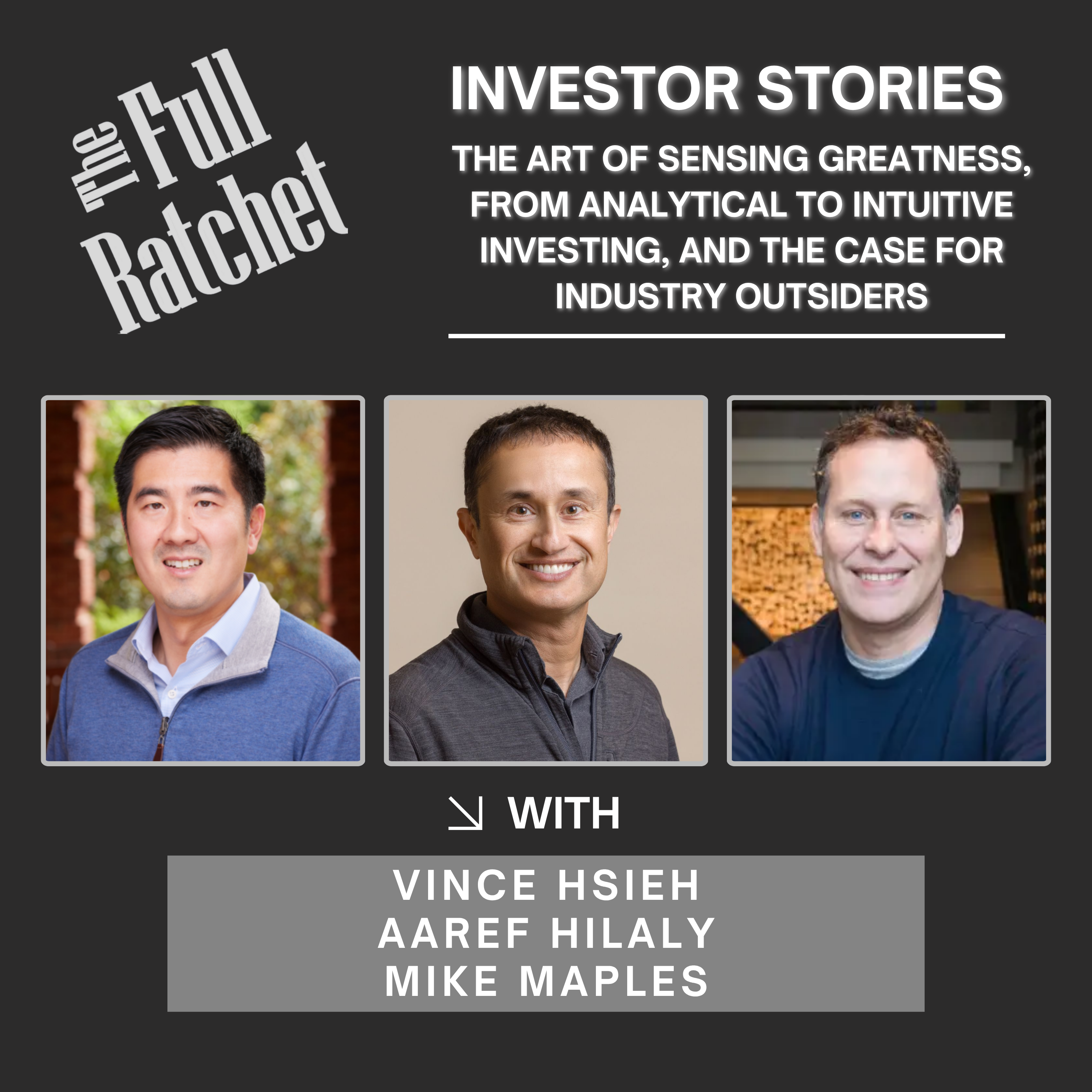
Top VCs' biggest regrets come from passing on genuinely 'great' founders over solvable diligence issues. Mike Maples Jr. advises that when you encounter this rare trait, you should invest immediately, even if the business model is unclear.
Rabois's investment formula requires a founder to be the absolute best he's ever met in at least one specific dimension—be it intelligence, tenacity, or strategy. He avoids investing in founders who are merely B+ across the board, betting instead on extreme, world-class exceptionalism.
A truly exceptional founder is a talent magnet who will relentlessly iterate until they find a winning model. Rejecting a partnership based on a weak initial idea is a mistake; the founder's talent is the real asset. They will likely pivot to a much bigger opportunity.

Horowitz instructs his team to focus on how exceptionally good a founder is at their core competency. He warns against two common errors: passing on a world-class individual due to fixable weaknesses, and investing in a founder with no glaring flaws but no world-class strengths.

Venture capital should focus on what a founder does exceptionally well, rather than penalizing them for past failures or weaknesses. Ben Horowitz uses the Adam Neumann example to illustrate their principle: judge people by their spectacular talents (like building the WeWork brand) and help them manage their flaws, which is a more effective strategy than seeking perfectly flawless individuals.
VCs often correctly identify a special founder but then pass due to external factors like competition or perceived market size. Reflecting on missing Scale AI, Benchmark concludes this is a critical error; the person is the signal that should override other concerns.