Get your free personalized podcast brief
We scan new podcasts and send you the top 5 insights daily.
People often regret not pursuing an opportunity by only imagining the potential upside. They fail to consider the sacrifices and downsides they would have endured to achieve it. This reframes regret as an incomplete calculation of trade-offs, making it easier to accept past decisions.

Related Insights
Entrepreneurs often get burned by a failed investment (like a bad ad agency) and become hesitant to invest in that area again. This is a cognitive trap. The first loss was the money spent; the second, more significant loss is the opportunity cost of not trying again with a better strategy.
Our minds obsess over incomplete tasks or "open loops," a psychological principle called the Zeigarnik effect. Unpursued career paths create a powerful open loop, causing us to ruminate on "what could have been," which fuels regret.

Psychological research reveals a clear pattern in regret. We immediately regret actions we took that turned out poorly ("sins of commission"). However, over a lifetime, our most profound regrets stem from what we failed to do, such as not expressing our feelings—these "sins of omission" create lingering "what if" scenarios.
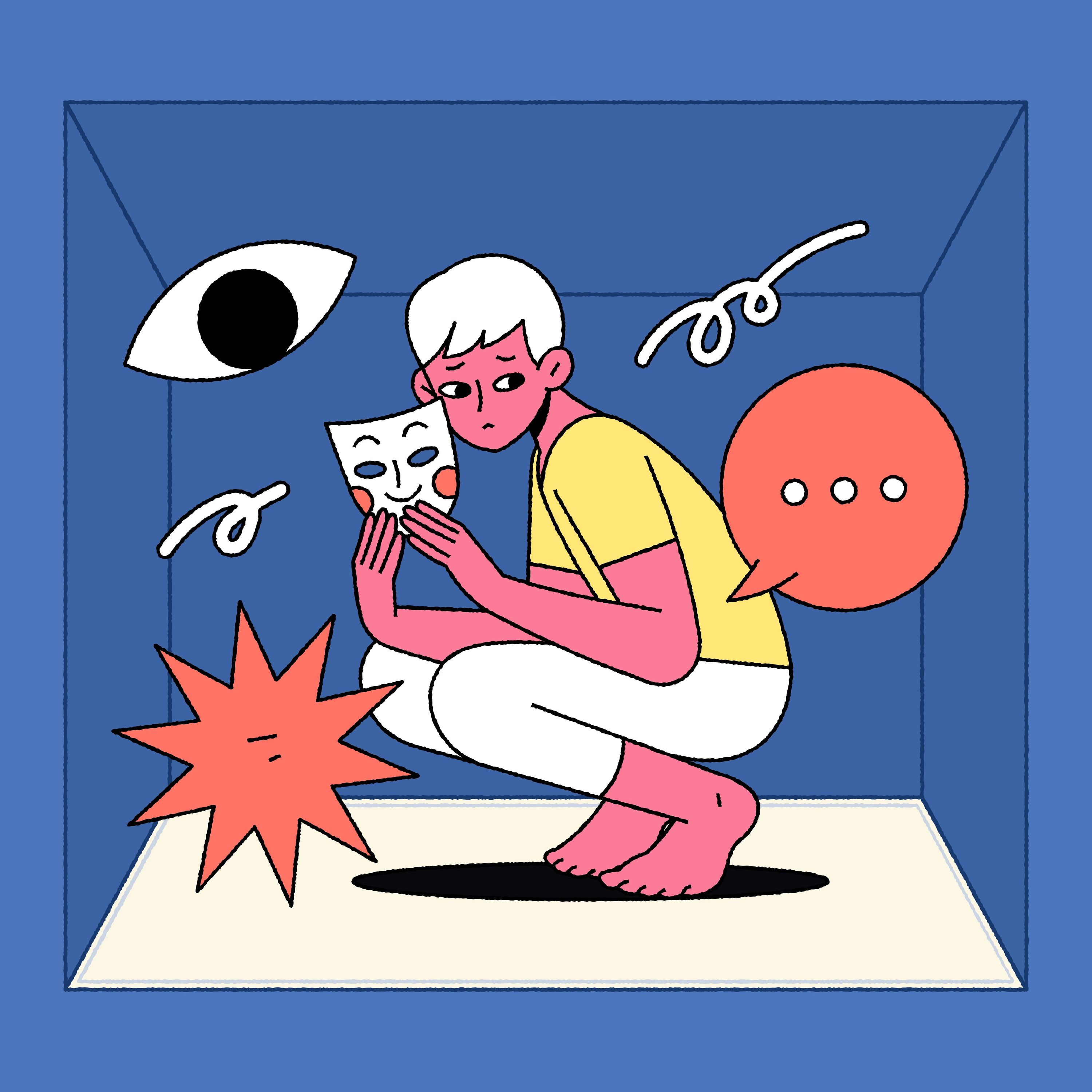
People easily forgive themselves for mistakes but ruminate on things they didn't try. This "boldness regret" is a major source of life dissatisfaction, especially with career choices, highlighting the psychological cost of playing it safe.
While it's easy to regret known bad decisions, like passing on an investment, the far greater mistakes are the unseen ones. The meeting you canceled or the connection you didn't pursue could have been the pivotal moment of your career. This mindset liberates you from the fear of making visible errors and encourages action.

The worst emotional outcome is not losing on a venture you pursued. It's the profound, lasting regret of letting fear override your conviction, saying 'no' to something you believed in, and then watching it succeed without you. This emotional asymmetry is a core reason to act.
To gain clarity on a major decision, analyze the potential *bad* outcomes that could result from getting what you want. This counterintuitive exercise reveals hidden motivations and clarifies whether you truly desire the goal, leading to more robust choices.

Drawing on research from Daniel Pink's book "The Power of Regrets," the guest notes that people are good at forgiving themselves for mistakes (regret of action). However, the paths they never traveled and doors they never opened (regret of inaction) tend to cause more profound, lasting rumination.

Regret is based on the flawed assumption that you could have chosen differently. If you rewind time, your brain, information, and circumstances would be identical, leading to the same decision 100% of the time. Accepting this necessity dissolves regret's power.
When deciding whether to leave a stable job to start Amazon, Jeff Bezos asked which choice he would regret more at age 80. People are far more haunted by the opportunities they didn't take than the ones they took that failed. This is a powerful mental model for making bold career leaps.
