Get your free personalized podcast brief
We scan new podcasts and send you the top 5 insights daily.
Vance clarifies that while Israel is a key partner, their interests are not always aligned with the US. As the 'world's superpower,' the US operates as the 'senior partner,' sometimes needing 'frank conversations' with the 'junior partner' to ensure American objectives are met.

Related Insights
The US-Iran framework deal was primarily motivated by the need to reopen the critical Strait of Hormuz for oil transport. This narrow economic aim took precedence over allies' broader security concerns, such as dismantling Iran's missile program, revealing a divergence in strategic priorities between the US and Israel.

While the US and Israel launched a joint military campaign against Iran, subsequent peace negotiations were handled exclusively by the US. This reveals that despite their close alliance, America unilaterally dictates the terms for ending conflicts, leaving Israel with little choice but to comply.

The US needed a conflict that offered the 'appearance of victory' and could be quickly concluded. Israel's goals were more fundamental: ensuring it could never again face a surprise attack, implying a longer, more disruptive war. This misalignment created strategic tension between the allies.

The US, under President Trump, is shifting focus to securing energy interests in its conflict with Iran, even redefining "regime change" to claim victory. This pragmatic pivot clashes with Israel's steadfast goal of completely weakening the Iranian regime, creating a significant strategic divergence and leaving Israeli security interests potentially unaddressed.

The US, under Trump, would accept a more manageable 'regime alteration'—a change in leadership behavior without toppling the government. Israel, however, views the complete removal of the current Iranian regime as the only true measure of success in the conflict, creating divergent end goals.

While currently aligned, the long-term interests of Israel and the US in a war with Iran could split. Israel seeks total elimination of Iran's missile threat, implying a prolonged conflict. The US, however, may have less tolerance for a drawn-out war due to concerns about its impact on global energy prices and the economy.
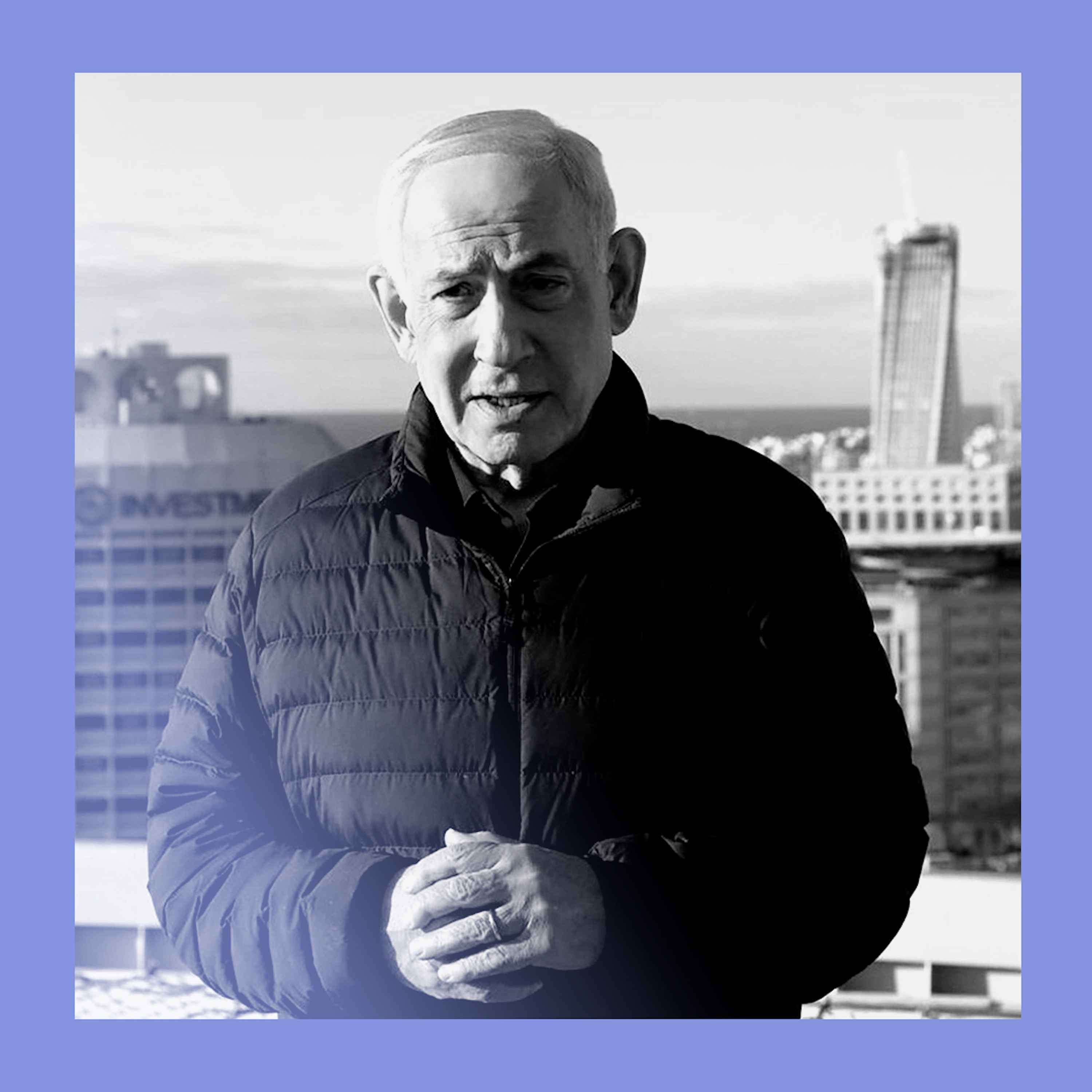
Israel has repeatedly acted as a "diplomatic spoiler" by killing key Iranian figures that the US was negotiating with. This forces America's hand, complicates any peaceful resolution, and pushes both sides further into conflict, directly undermining US diplomatic overtures.
Jake Sullivan, reflecting on the post-October 7th period, concludes that the Biden administration should have applied more pressure on the Israeli government to change its approach in Gaza. This marks a significant admission and signals a potential future shift towards more conditional support for Israel.
Despite Trump's stated goal of ending "stupid wars," U.S. foreign policy in the Middle East has aligned more closely with the neoconservative and Israeli lobby's long-term goal of remaking the region. This suggests their influence is a more reliable predictor of U.S. action than the President's own rhetoric.

Despite a united military front against Iran, the US and Israel have divergent long-term goals. The Trump administration aims for a "Venezuela outcome"—a controlled regime ensuring oil flow—while Netanyahu's government is focused on total regime change, creating potential for a future strategic clash.