Get your free personalized podcast brief
We scan new podcasts and send you the top 5 insights daily.
The US, under Trump, would accept a more manageable 'regime alteration'—a change in leadership behavior without toppling the government. Israel, however, views the complete removal of the current Iranian regime as the only true measure of success in the conflict, creating divergent end goals.

Related Insights
The US, under President Trump, is shifting focus to securing energy interests in its conflict with Iran, even redefining "regime change" to claim victory. This pragmatic pivot clashes with Israel's steadfast goal of completely weakening the Iranian regime, creating a significant strategic divergence and leaving Israeli security interests potentially unaddressed.

While a Trump administration might be tempted to cut a deal and withdraw from conflict with Iran, Israel's post-October 7th security doctrine has changed. Netanyahu's government will likely push hard for complete regime change, complicating any US efforts to de-escalate for political convenience.

While currently aligned, the long-term interests of Israel and the US in a war with Iran could split. Israel seeks total elimination of Iran's missile threat, implying a prolonged conflict. The US, however, may have less tolerance for a drawn-out war due to concerns about its impact on global energy prices and the economy.
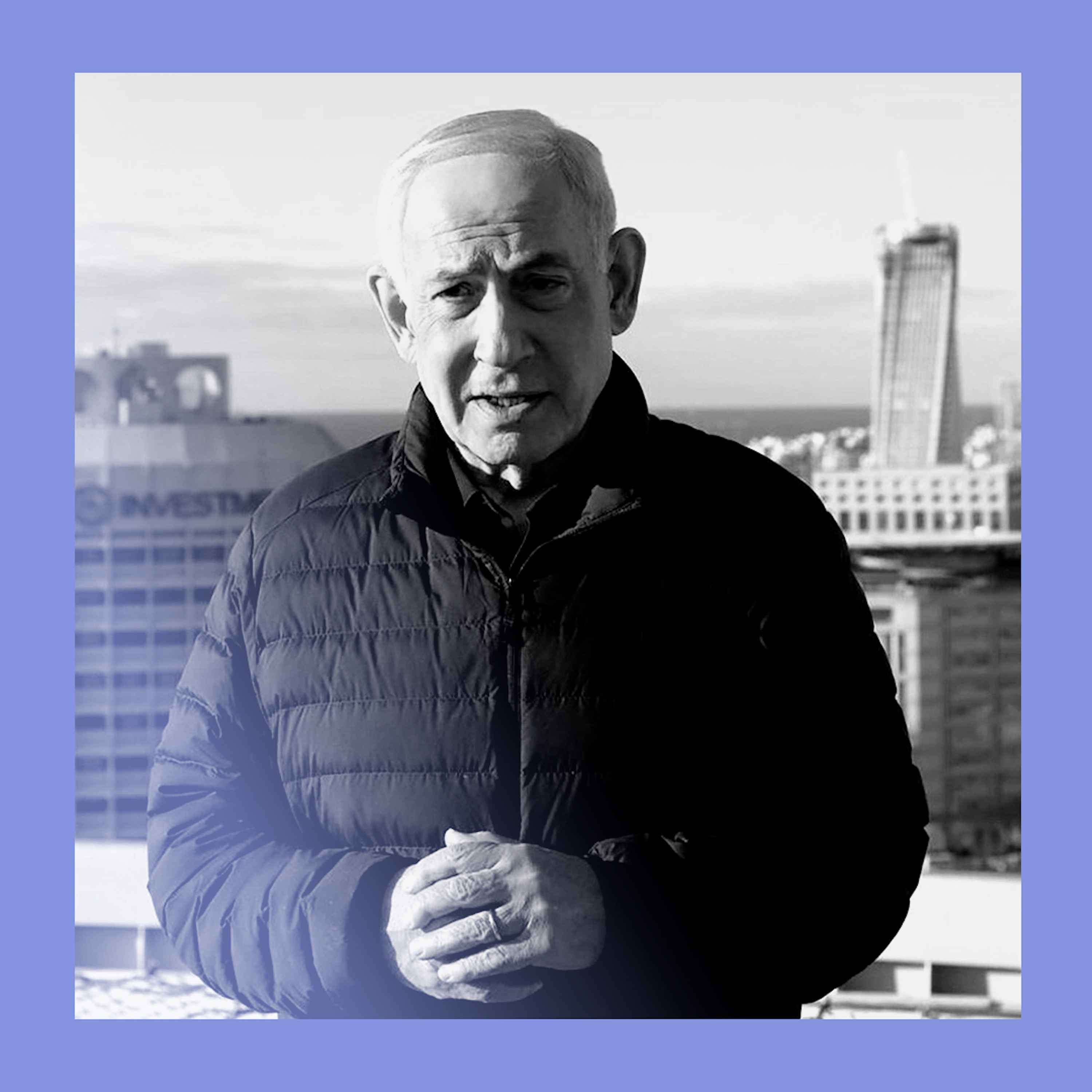
Israel's initial war plan was a targeted campaign against Iran's ballistic missile project. The conflict escalated into a broader, less attainable mission of regime change after the Trump administration joined, demonstrating how a powerful ally's involvement can lead to strategic "mission creep."
Key US allies have incentives for America to enter a conflict with Iran but not win decisively. The ideal outcome for them is a weakened Iran and a distracted, overextended America that is more dependent on their cooperation. This subverts the simple narrative of a unified coalition, revealing a complex web of self-interest.

The US and Israel are operationally successful in degrading Iran's military capabilities. However, leadership has failed to articulate a coherent strategic objective for the war, making it difficult to define victory or know when the conflict will end.
The US approach to Iran is not traditional regime change with ground troops. Instead, it involves targeted strikes to eliminate key leaders ("decapitation"), creating a power vacuum with the hope that the already revolutionary-minded Iranian public will topple the government from within.

Despite a united military front against Iran, the US and Israel have divergent long-term goals. The Trump administration aims for a "Venezuela outcome"—a controlled regime ensuring oil flow—while Netanyahu's government is focused on total regime change, creating potential for a future strategic clash.
Israeli officials now openly state regime change in Iran is their goal. However, their strategy is not a direct overthrow but rather to target Iran's internal "suppression" forces. By removing the regime's tools to quell dissent, they aim to create an opportunity for the Iranian people to rise up themselves.
Israel historically engaged in periodic, limited conflicts with Hamas to degrade its capabilities without seeking total elimination—a strategy dubbed 'mowing the lawn.' There's concern the current conflict with Iran will follow this pattern, leading to recurring skirmishes rather than a permanent solution.