Get your free personalized podcast brief
We scan new podcasts and send you the top 5 insights daily.
AI tools are blurring the lines between product, design, and engineering. The future PM will leverage AI to not only spec features but also create mockups and even write and check in code for smaller tasks, owning the entire lifecycle from idea to delivery.

Related Insights
Traditional "writing-first" cultures create communication gaps and translation errors. With modern AI tools, product managers can now build working prototypes in hours. This "show, don't tell" approach gets ideas validated faster, secures project leadership, and overcomes language and team barriers.
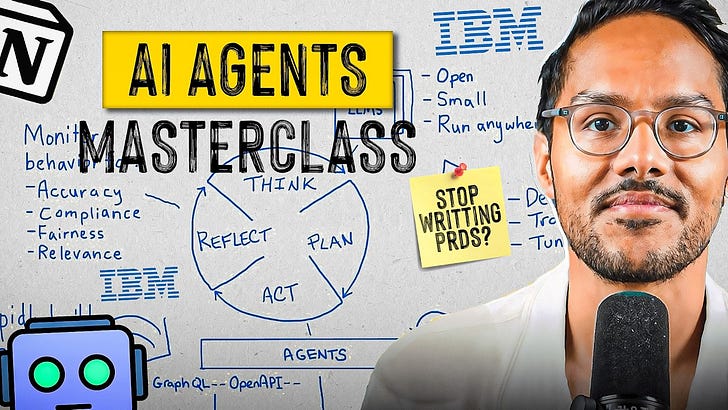
As AI becomes foundational, the PM role will specialize. A new "AI Platform PM" will emerge to own core infrastructure like embeddings and RAG. They will expose these as services to domain-expert PMs who focus on user-facing features, allowing for deeper expertise in both areas.

Dylan Field predicts that AI tools will blur the lines between design, engineering, and product management. Instead of siloed functions, teams will consist of 'product builders' who can contribute across domains but maintain a deep craft in one area. Design becomes even more critical in this new world.

AI tools like Vibe Coding remove the traditional dependency on design and engineering for prototyping. Product managers without coding expertise can now build and test functional prototypes with customers in hours, drastically accelerating problem-solution fit validation before committing development resources.

AI won't replace product managers but will elevate their role. PMs will shift from executing tasks like financial forecasting to managing a team of specialized AI agents, forcing them to focus on high-level strategy and assumption-checking.
The rise of AI tools isn't replacing the PM role, but transforming it. PMs who embrace an "AI-enhanced" workflow for research, docs, and prototyping will gain a massive productivity advantage, ultimately displacing those who stick to traditional methods.
AI tools are collapsing the traditional moats around design, engineering, and product. As PMs and engineers gain design capabilities, designers must reciprocate by learning to code and, more importantly, taking on strategic business responsibilities to maintain their value and influence.

The product development cycle has shifted. Instead of writing a spec, Product Managers use AI coding tools like Bolt.new to build the initial working version of a product. They then hand this functional prototype to engineers for hardening, security, and scaling, dramatically accelerating the process.
AI's rise means traditional product roles are merging. Instead of identifying as a PM or designer, focus on your core skills (e.g., visual aesthetics, systems thinking) and use AI to fill gaps. This 'builder' mindset, focused on creating end-to-end, is key for future relevance.
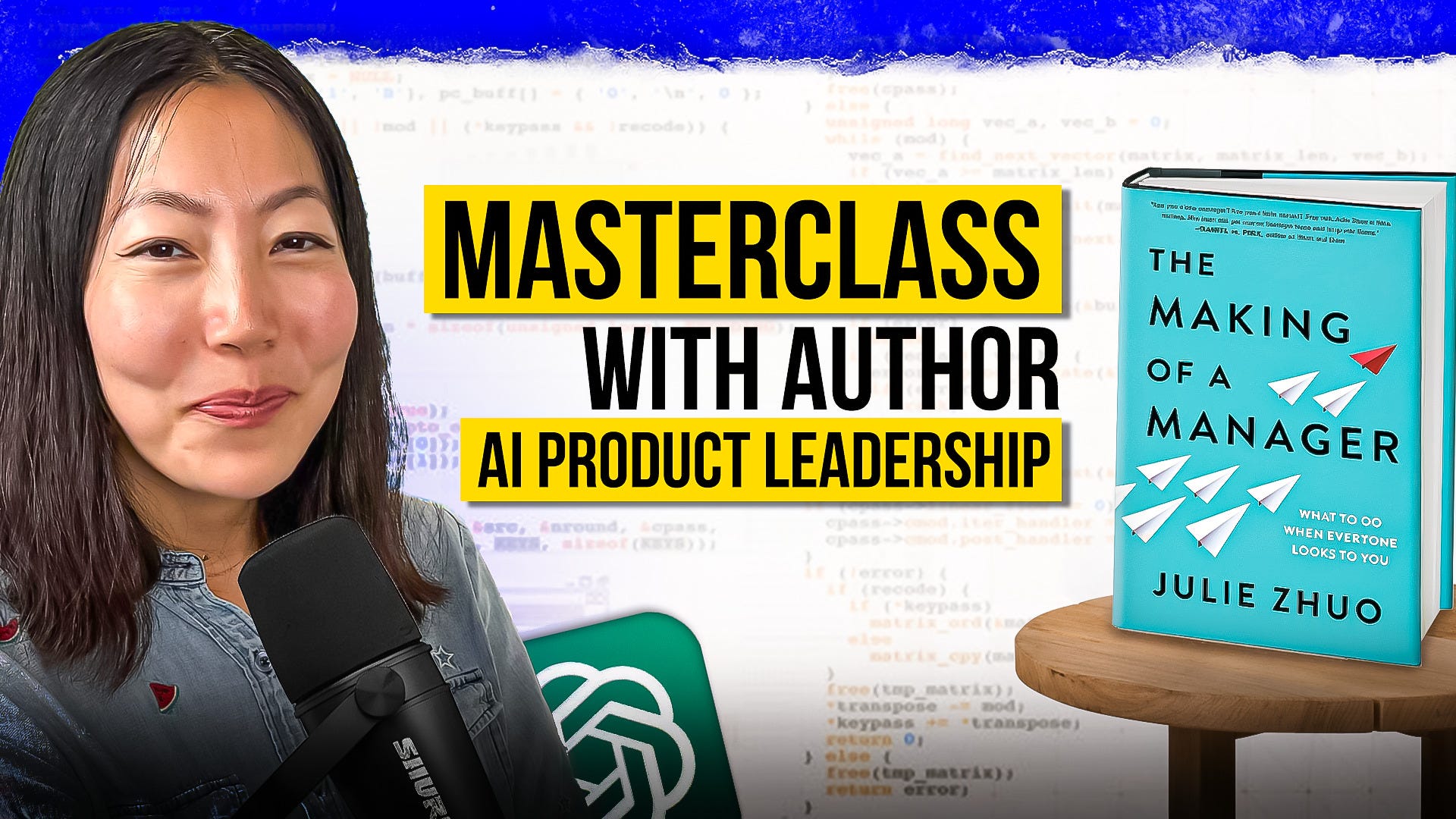
The traditional tasks of a product manager—writing specs, building plans, prototyping—are being automated by AI. The role will likely evolve into a hybrid "Experience Engineer" who combines product, design, and engineering skills to build experiences, or a highly commercial "GM" role with direct P&L responsibility.
